HSK 1 · Lesson 18 · Where things are, big and small
Where's my cup? 我的杯子在哪儿?
Each lesson is a short story in Mandarin with pictures and audio, the words and grammar it uses, and a talk with Xiaolu at the end. All of HSK 1 is free.
This lesson is free. Start this lesson
- About 24 minutes
- 8 new words
- 2 grammar points
- A 3 to 5 minute talk with Xiaolu at the end
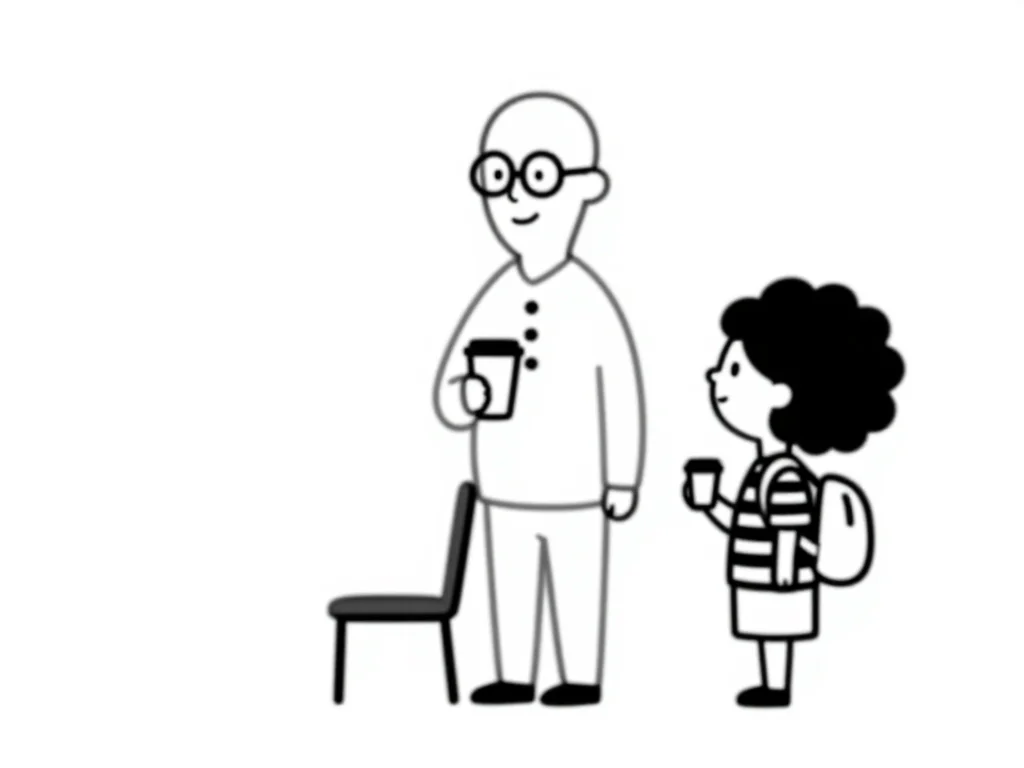
Who is in it
- Teacher Gao 高老师 Gāo lǎoshī
- Mia 米亚 Mǐyà
New words
- 上 shàng on, on top (after a noun)
- 下 xià under, below (after a noun)
- 里 lǐ in, inside (after a noun)
- 前面 qiánmian in front
- 后面 hòumian behind
- 桌子 zhuōzi table
- 大 dà big
- 小 xiǎo small
The story
The classroom
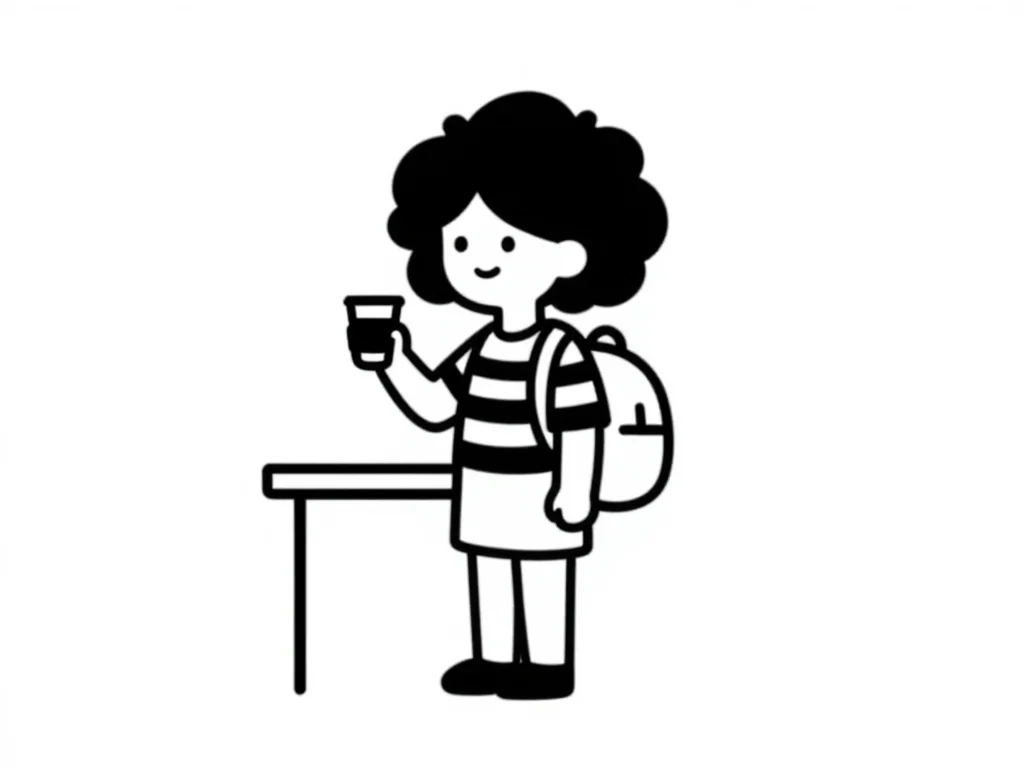
- Teacher Gao 我的杯子在哪儿? Where's my cup?
- Mia 桌子上有杯子! There's a cup on the table!
- Teacher Gao 这个杯子很小。 This cup is small.
- Teacher Gao 我的杯子很大。 My cup is big.
- Mia 我有大杯子,有小杯子! I have a big cup and a small cup!
- Teacher Gao 谢谢!我的杯子呢? Thanks! What about my cup?
Looking everywhere
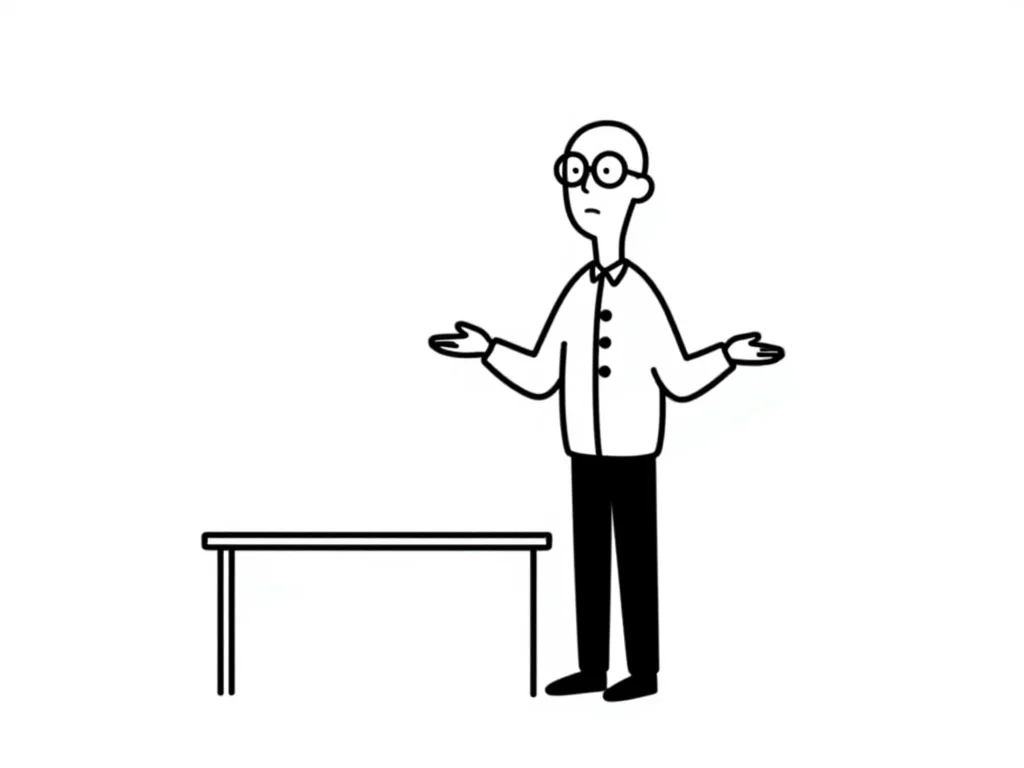
- Teacher Gao 桌子上没有。 It's not on the table.
- Teacher Gao 椅子下没有…… It's not under the chair…
- Mia 杯子在桌子前面吗? Is the cup in front of the table?
- Teacher Gao 前面没有。 Not in front.
- Mia 杯子在桌子后面吗? Is the cup behind the table?
- Teacher Gao 后面……没有。我的杯子呢? Not behind… So where's my cup?
Found it
- Mia 杯子在这儿! The cup is here!
- Teacher Gao 在哪儿? Where?
- Mia 你看!这个杯子很大! Look! This cup is big!
- Teacher Gao 我的杯子!杯子里有茶! My cup! There's tea in the cup!
- Teacher Gao 谢谢你!请喝茶! Thank you! Please have some tea!
- Mia 不客气!我有杯子! You're welcome! I have cups!
Grammar
thing + 在 + N + 上 / 下 / 里 / 前面 / 后面 · N + 上 / 里 … + 有 + thing
Put 上, 下, 里, 前面 or 后面 after a noun to make a place phrase: 桌子上, 椅子下. Known thing first: 杯子在桌子上 (the cup is on the table). New thing second: 桌子上有杯子 (there is a cup on the table). 在 says where something is; 有 says what is there.
- 杯子在桌子上。 The cup is on the table.
- 桌子上有杯子。 There is a cup on the table.
- 杯子在椅子后面。 The cup is behind the chair.
- 杯子里有茶。 There is tea in the cup.
S + 很 + Adj
To describe something with an adjective, put 很 between the subject and the adjective: 杯子很大. 很 mostly just fills the slot; it is not a strong "very". To deny, use 不: 杯子不大. Never put 是 before an adjective.
- 这个杯子很大。 This cup is big.
- 那个杯子很小。 That cup is small.
- 我的杯子不大。 My cup isn't big.
Characters
- 大 is a person (人) with a line (一) for arms stretched wide: something big.
- 小 is a line (丨) split by 八 on each side: something cut into tiny bits, so small.
A saying
骑驴找驴 Literally: riding a donkey while looking for the donkey. People mean searching for something you already have, like looking for a cup you are holding.
What you will be able to say
The lesson ends with a talk. Help Xiaolu find her lost cup: say where it is, what is in it, and whether it is big or small.
- I can say where something is: on, under, in front of or behind something. 杯子在桌子上。
- I can say what is in something. 杯子里有茶。
- I can say that something is big or small. 这个杯子很大。
The closing talk needs an account. On the free plan, the first lesson talk you take in each level is free; Plus and Ultimate use the month's Talk minutes.
This lesson is free. Start this lesson