HSK 4 · Lesson 25 · Counting the dumplings
About ten or so left, I'd say 大概还剩十个左右。
Each lesson is a short story in Mandarin with pictures and audio, the words and grammar it uses, and a talk with Xiaolu at the end. All of HSK 1 is free.
This lesson is in Plus. Start this lesson
- About 29 minutes
- 8 new words
- 2 grammar points
- A 3 to 5 minute talk with Xiaolu at the end
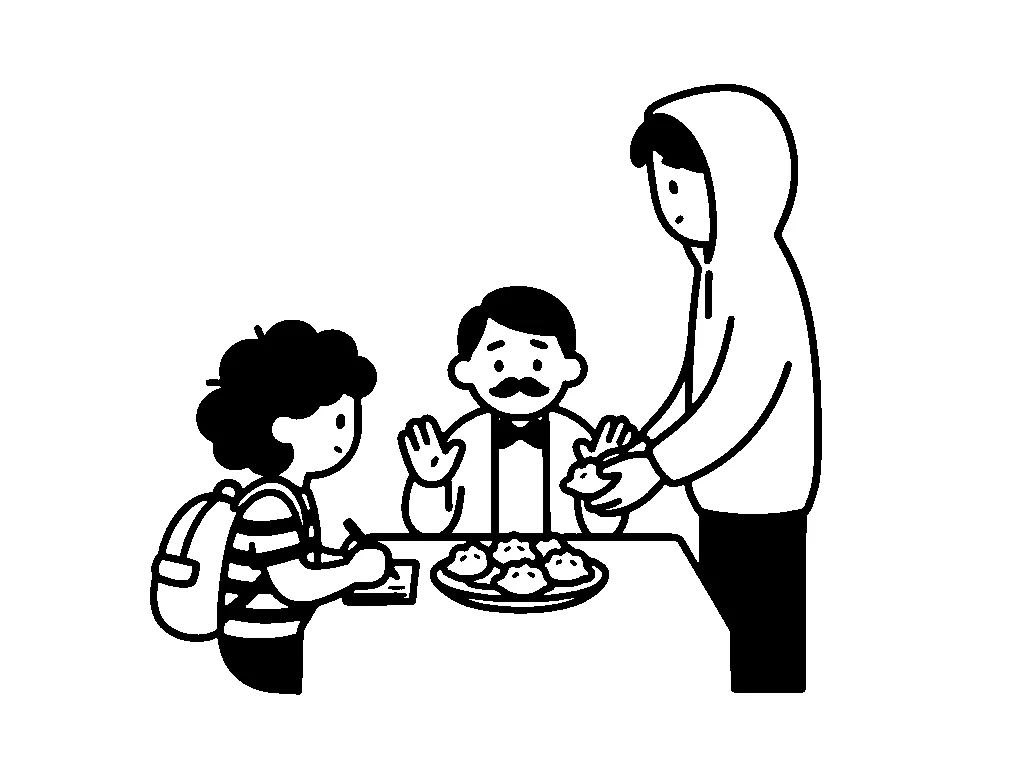
Who is in it
- Mia 米亚 Mǐyà
- Fei 林飞 Lín Fēi
- Mr Lin 林先生 Lín xiānsheng
- Dawang 大王 Dàwáng
New words
- 剩 shèng to be left over, remain
- 全部 quánbù all, the whole
- 部分 bùfen part, portion
- 许多 xǔduō many, a lot of (written)
- 缺少 quēshǎo to lack, be short of
- 至少 zhìshǎo at least
- 大概 dàgài probably; roughly, approximate
- 左右 zuǒyòu 左右 (about, or so, after a number)
The story
At the restaurant, closing time
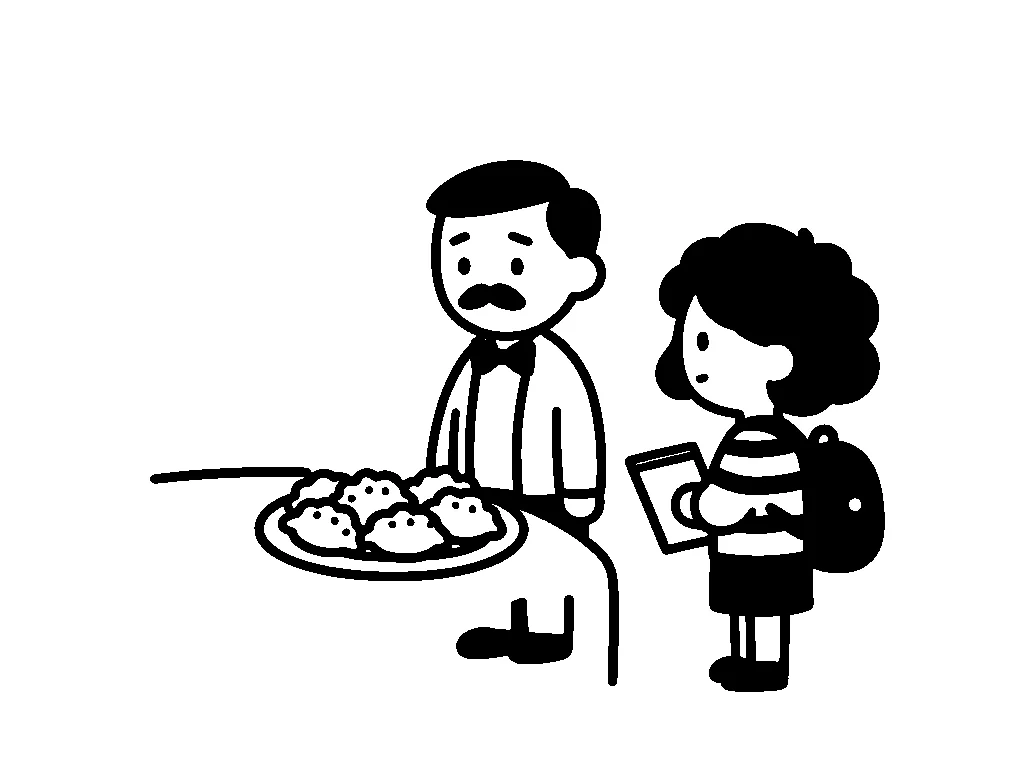
- Mr Lin 客人都走了,饭店要关门了。
- Mia 盘子里还剩许多饺子,我来看看有多少。
- Fei 大概二十个左右吧?我饿了。
- Mr Lin 大概还剩十个左右。
- Mia 一,二,三,四,五……
- Fei 你快一点儿,饺子要冷了。
- Mia ……三十九,四十。至少有四十个!
- Mr Lin 四十个?太多了!
- Mia 你看,笔记本上写着:至少有四十个。
- Mr Lin 好,全部带回家!
In the restaurant kitchen, packing up
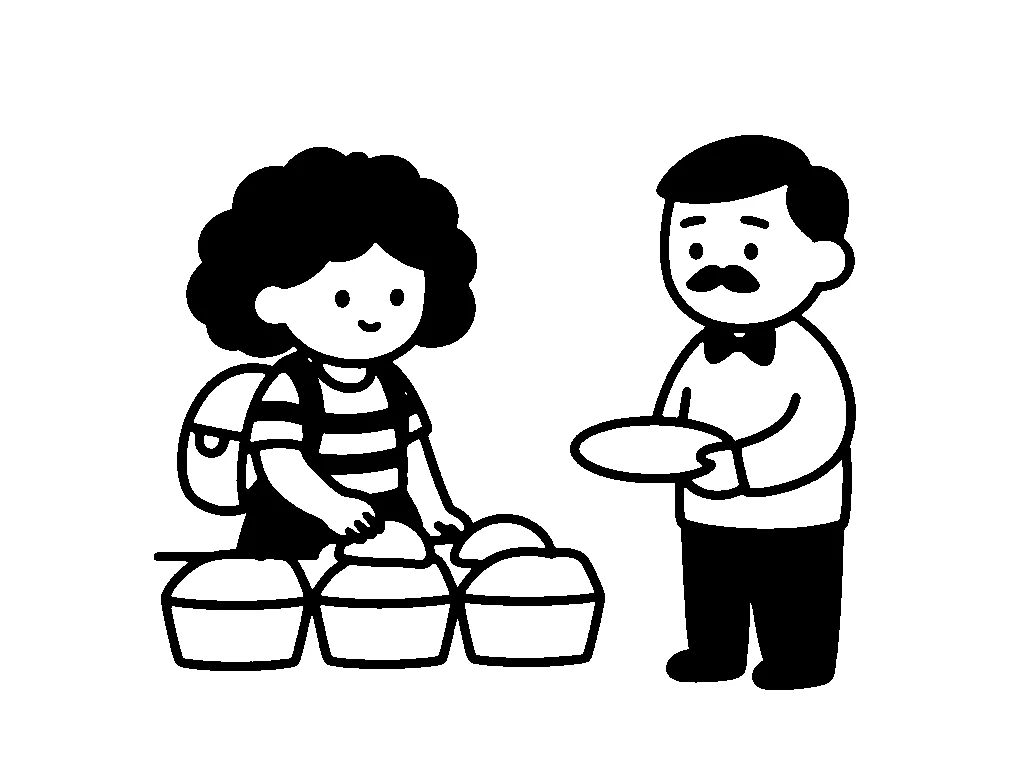
- Mr Lin 今天为什么还剩很多饺子?
- Mia 今天饭店缺少两个服务员,客人等了很久。
- Fei 所以一部分客人没吃饺子就走了。
- Mr Lin 所有的客人都走了,可是饺子都还在。
- Mia 这些饺子,一部分是羊肉的,一部分是鸡蛋的。
- Fei 羊肉的给我,鸡蛋的也给我!
- Mr Lin 好好好,所有的饺子都放进盒子里。
- Mia 这儿有三个盒子,够不够?
- Fei 够了。我们快回家吧。
At home, after dinner
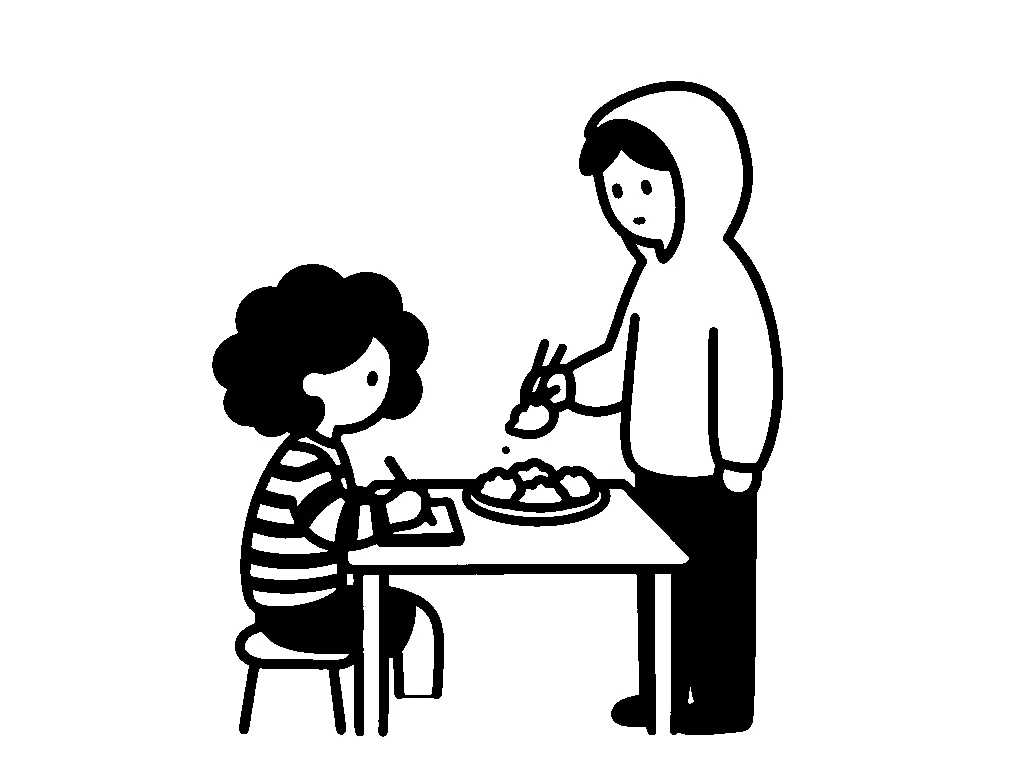
- Mia 我的笔记本上写着:我吃了八个,林先生吃了十个。
- Fei 我呢?我吃了大概十个左右吧。
- Mia 不对,笔记本上写着十二个。
- Fei 我只记得很好吃。
- Mr Lin 四十个,吃了三十个,大概还剩十个左右。
- Mia 可是盘子里只剩九个,不是十个。
- Fei 大王在椅子上睡觉,可是它旁边至少有一个饺子。
- Mr Lin 九个,还有一个在大王那儿,一共十个!我没说错。
- Mia 对,林先生说对了。我写下来。
- Fei 我可以再吃一个吗?
Mia's notebook
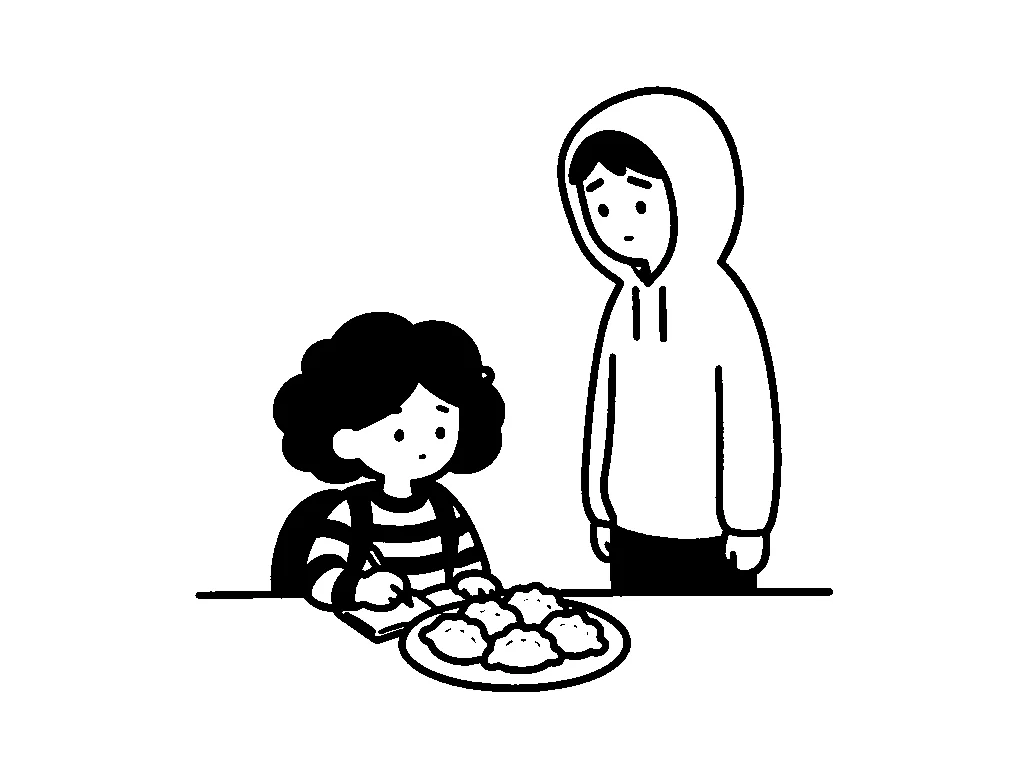
- 昨天晚上,饭店要关门了,盘子里还剩许多饺子。
- 林飞说大概二十个左右,林先生说大概还剩十个左右。
- 我在笔记本上写:至少有四十个。
- 昨天饭店缺少服务员,一部分客人没吃饺子就走了。
- 全部饺子都带回家了,一个也没有留在饭店。
- 晚上,我吃了八个,林先生吃了十个,林飞吃了十二个。
- 盘子里只剩九个,还有一个在大王旁边,一共十个。
- 所以林先生说的“十个左右”是对的。
- 林飞说:“我只记得很好吃。”
- 明天我们要多准备一些饺子,因为林飞还想再吃。
- 林先生笑了,我也笑了,林飞也笑了。
Grammar
大概 + Number + MW / Number + MW + 左右
For a rough number, put 大概 before it, or 左右 after the number and measure word, or use both: 大概十个, 十个左右, 大概十个左右. 左右 never comes before the number. In careful writing, one of the two alone is safer. An exact count needs neither: 四十个. 差不多 also works before a number.
- 大概还剩十个左右。
- 一共差不多三十块。
- 我吃了大概十个左右。
所有的 / 全部 + N + 都 + V
To say 'all', put 所有的 or 全部 before the noun, and 都 echoes it before the verb: 所有的客人都走了. 全部 means the whole lot: 全部饺子都带回家了, or just 全部带回家. 部分 means only part of it: 一部分客人走了.
- 所有的客人都走了。
- 全部饺子都带回家了。
- 一部分是羊肉的,一部分是鸡蛋的。
Characters
- 剩 The knife on the right hints at cutting something up, and what is left after the cutting is 剩. 乘 on the left gives the sound, and 剩 sounds close to it.
- 缺 缶 is a clay jar, so think of a jar with a piece broken off: something is missing. 夬 on the right gives part of the sound. This is the 缺 in 缺少.
A saying
积少成多 Literally: pile up a little and it becomes a lot. Little amounts, added up bit by bit, grow into a big amount. People say it about saving or learning: one coin at a time, and soon the jar is full.
What you will be able to say
The lesson ends with a talk. It is closing time at the restaurant and Xiaolu is counting dumplings with you. Give a rough number, say what happens to all of them, and say how many there are at least.
- I can give a rough number with 大概 and 左右. 大概还剩十个左右。
- I can say that all of them go home with 全部 or 所有的 and 都. 全部饺子都带回家了。
- I can say how many are left with 剩. 盘子里还剩九个饺子。
- I can say a minimum number with 至少. 至少有四十个。
- I can say what the restaurant is short of with 缺少. 今天饭店缺少两个服务员。
The closing talk needs an account. On the free plan, the first lesson talk you take in each level is free; Plus and Ultimate use the month's Talk minutes.
This lesson is in Plus. Start this lesson