HSK 4 · Lesson 34 · The year-end show
Brilliant! Just great! 太精彩了!真棒!
Each lesson is a short story in Mandarin with pictures and audio, the words and grammar it uses, and a talk with Xiaolu at the end. All of HSK 1 is free.
This lesson is in Plus. Start this lesson
- About 30 minutes
- 7 new words
- 2 grammar points
- A 3 to 5 minute talk with Xiaolu at the end
Who is in it
- Mia 米亚 Mǐyà
- Fei 林飞 Lín Fēi
- An'an 安安 Ān'ān
- Grandma 奶奶 nǎinai
New words
- 演出 yǎnchū performance, show (the event)
- 表演 biǎoyǎn to perform; a performance (a number)
- 观众 guānzhòng audience, spectators
- 精彩 jīngcǎi brilliant, wonderful (of a show)
- 京剧 jīngjù Beijing opera
- 弹钢琴 tángāngqín to play the piano
- 棒 bàng great, excellent (真棒!)
The story
Backstage, before the year-end show
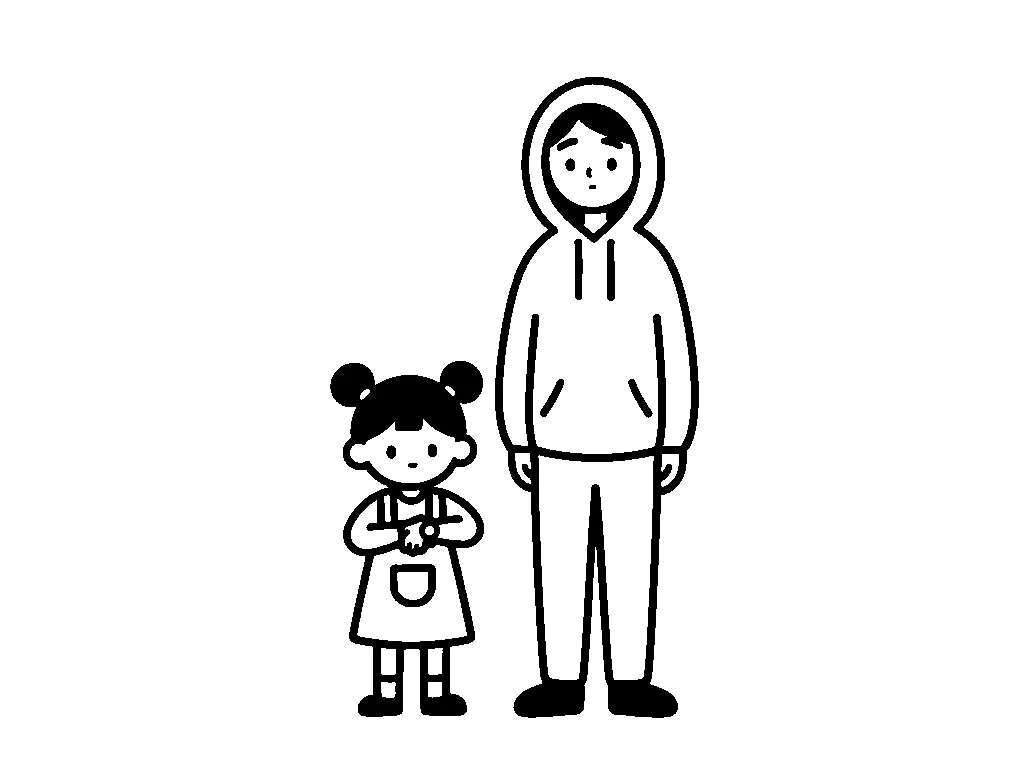
- Mia 今天的演出马上开始了!
- An'an 第一个表演是我的。我弹钢琴,一共三分钟。
- Fei 三分钟?你怎么知道?
- An'an 我练习了很多次,每次都看手表,都是三分钟。
- Mia 节目我都准备好了:第二个是林飞,第三个是京剧。
- An'an 哥哥,你的表演是做菜吗?
- Fei 对!西红柿鸡蛋,我做得最好。
- An'an 做菜也是表演吗?
- Fei 当然!观众先看,然后吃。
In the school hall, between two numbers
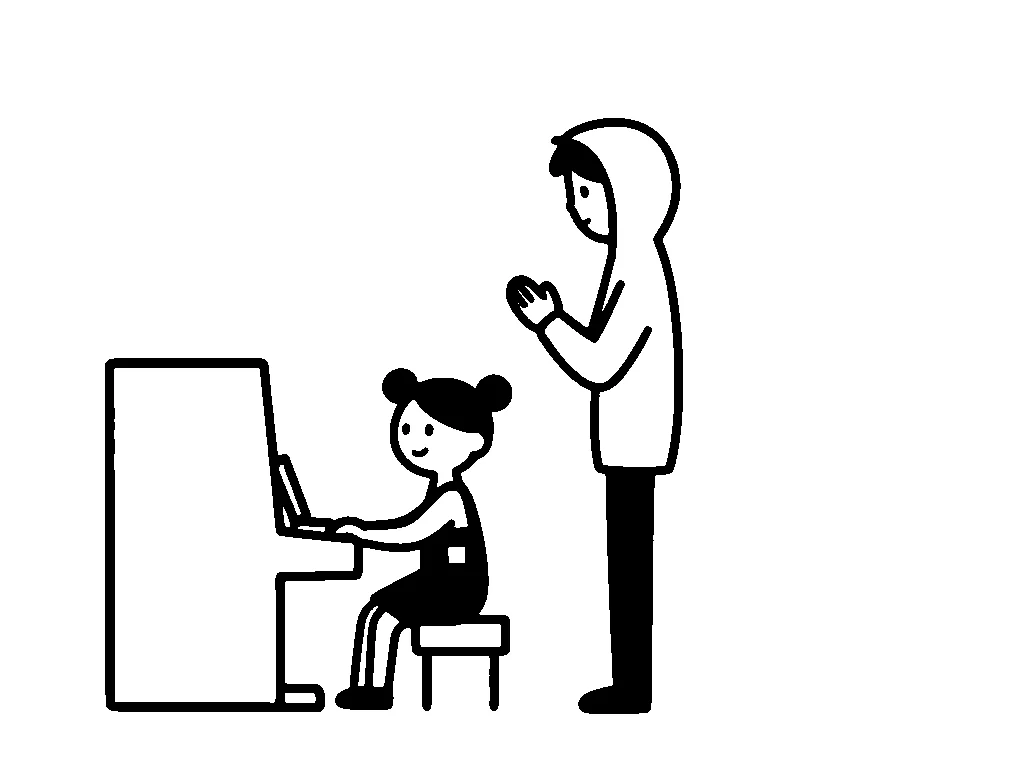
- Fei 太精彩了!真棒!
- An'an 谢谢!一共三分钟,一秒都没多。
- Mia 你表演完就看手表了?
- An'an 对。不看手表,怎么知道几分钟?
- Mia 第二个是林飞。他的表演也是三分钟。
- Fei 先放西红柿,然后放鸡蛋。好了!
- An'an 十分钟了!你说三分钟!
- Fei 好菜要慢慢做。观众可以吃了!
- An'an 观众还没吃,你已经吃了!
- Fei 对不起,太香了!
On the stage, the last number
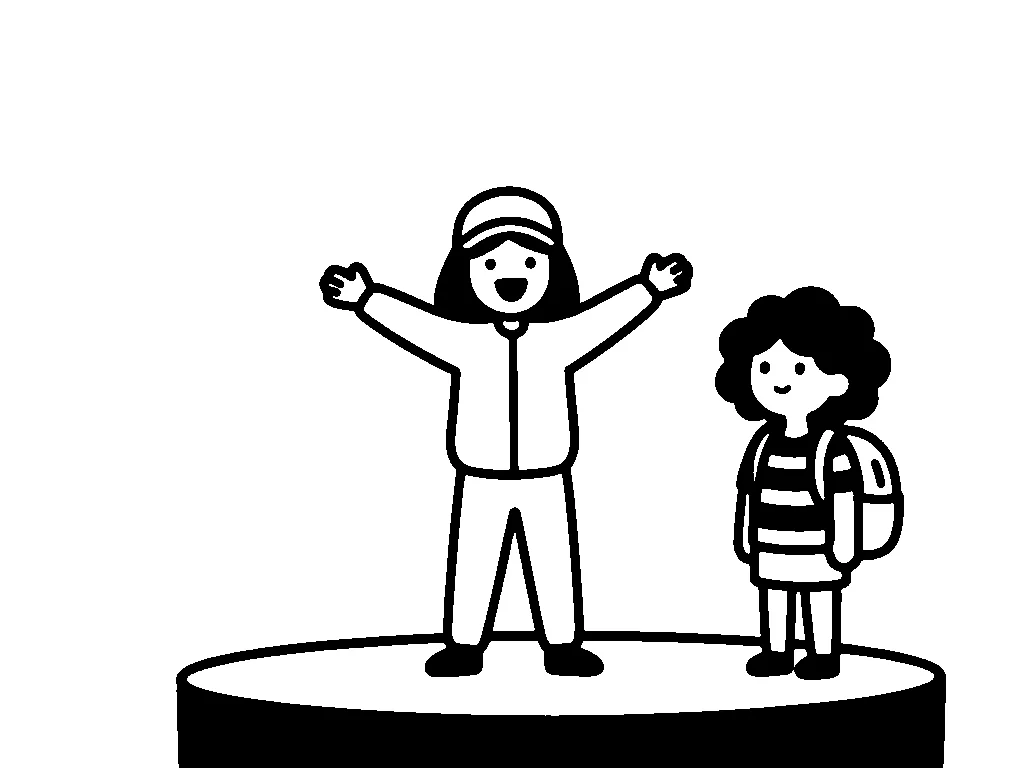
- Mia 第三个是京剧!请奶奶表演。
- Grandma 观众在哪儿?我看一看。
- An'an 观众都是我们家的人:爸爸、妈妈,还有我。
- Grandma 三个观众,够了!大家准备好了吗?
- Mia 请开始吧!
- Grandma 好,我开始唱了!
- Mia 太棒了!三个观众,声音比一百个观众还大!
- Grandma 当然!我的观众,我的表演!
- An'an 这次我没看手表,因为太精彩了!
An'an's notebook
- 今天的演出一共有三个表演。
- 第一个是我弹钢琴,一共三分钟,一秒都没多。
- 我练习了很多次,每次都是三分钟。
- 哥哥说:“太精彩了!真棒!”
- 第二个是哥哥做菜,他说三分钟,可是做了十分钟。
- 他说好菜要慢慢做,可是十分钟太慢了!
- 做菜也是表演,观众先看,然后吃。
- 观众还没吃,他已经吃了。
- 第三个是京剧,是奶奶表演的。
- 观众一共有三个人,都是我们家的人。
- 可是我们的声音最大,比一百个观众还大。
- 那时候,我忘记看手表了。
- 今天的演出,真是太精彩了!
Grammar
太 + Adj + 了!
太 + Adj + 了 is an exclamation: 太好了! 'Great!' For a show it shows strong feeling: 太精彩了! The negative is different: 不太 + Adj, with no 了, means 'not very'.
- 太精彩了!
- 太香了!
- 我太饿了!
- 我不太饿。
真 / 非常 / 最 + Adj
真 + adjective is an exclamation: 真棒! 'Really great!' 非常 + adjective means 'very', stronger than 很. 最 + adjective means 'most'. All three go right before the adjective, just like 很; 最 also goes before 喜欢.
- 真棒!
- 声音真大!
- 这个表演非常精彩。
- 我最喜欢京剧。
Characters
- 精 first meant fine, polished rice: 米 on the left for the meaning, 青 on the right for the sound. From fine grain comes 'refined', and then 'brilliant', as in 精彩.
- 棒 A stick is made of wood, so 木 is on the left and 奉 on the right gives the sound. 'Stick' is the old meaning; in 真棒 the word means 'great!'.
A saying
熟能生巧 Literally: 'when you are familiar with something, skill is born'. People mean that practice makes perfect: do a thing often enough and you do it well, like a piano piece that ends on exactly the second.
What you will be able to say
The lesson ends with a talk. You are in the audience at the school's year-end show. Praise the piano piece with 太…了, say who is in the audience, and say which number you like best.
- I can praise a number with 太 + Adj + 了. 太精彩了!
- I can cheer someone with 真棒. 真棒!
- I can say who is in the audience. 观众都是我们家的人。
- I can say what my number or someone's number is. 我的表演是唱歌。
- I can say I like the Beijing opera number best. 我最喜欢京剧。
The closing talk needs an account. On the free plan, the first lesson talk you take in each level is free; Plus and Ultimate use the month's Talk minutes.
This lesson is in Plus. Start this lesson