HSK 4 · Lesson 74 · Plans versus improvisation
Our personalities are completely opposite 我们俩的性格完全相反。
Each lesson is a short story in Mandarin with pictures and audio, the words and grammar it uses, and a talk with Xiaolu at the end. All of HSK 1 is free.
This lesson is in Plus. Start this lesson
- About 30 minutes
- 8 new words
- 2 grammar points
- A 3 to 5 minute talk with Xiaolu at the end
Who is in it
- Mia 米亚 Mǐyà
- An'an 安安 Ān'ān
- Grandma 奶奶 nǎinai
- Xiao Zhou 小周 Xiǎo Zhōu
New words
- 优点 yōudiǎn strong point, merit
- 缺点 quēdiǎn weakness, shortcoming
- 特点 tèdiǎn characteristic, feature
- 区别 qūbié difference; to distinguish
- 相同 xiāngtóng the same, identical
- 相反 xiāngfǎn opposite; on the contrary
- 例如 lìrú for example (written)
- 笑话 xiàohua joke
The story
At the restaurant, the day before the festival
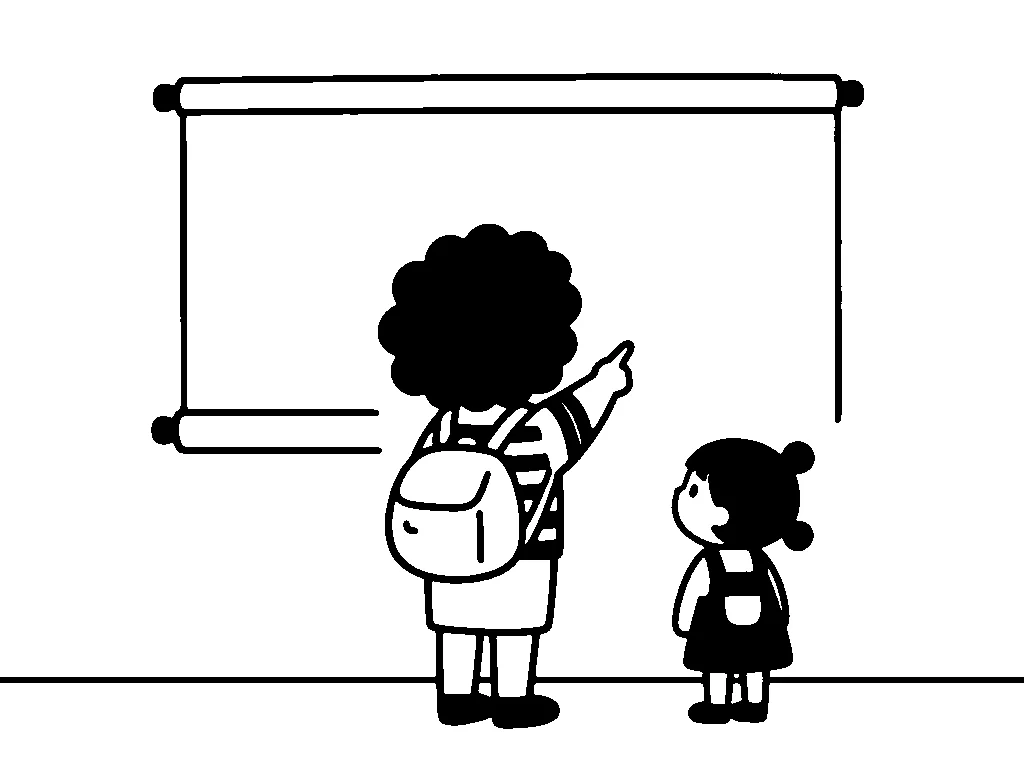
- An'an 我的节日笔记本里要写你们俩的优点。
- Mia 我写好了!一个星期前就写好了,一共十个。
- Xiao Zhou 我没有米亚快,我现在想。
- An'an 缺点呢?
- Mia 缺点也有十个。我读一下:例如,小周从来不写菜单。
- Xiao Zhou 对!客人想吃什么,我就想办法。
- An'an 你们的性格一样吗?
- Mia 我们俩的性格完全相反。
- An'an 比如?
- Mia 我喜欢计划,小周喜欢随便。
In the kitchen at home, with the festival notebook
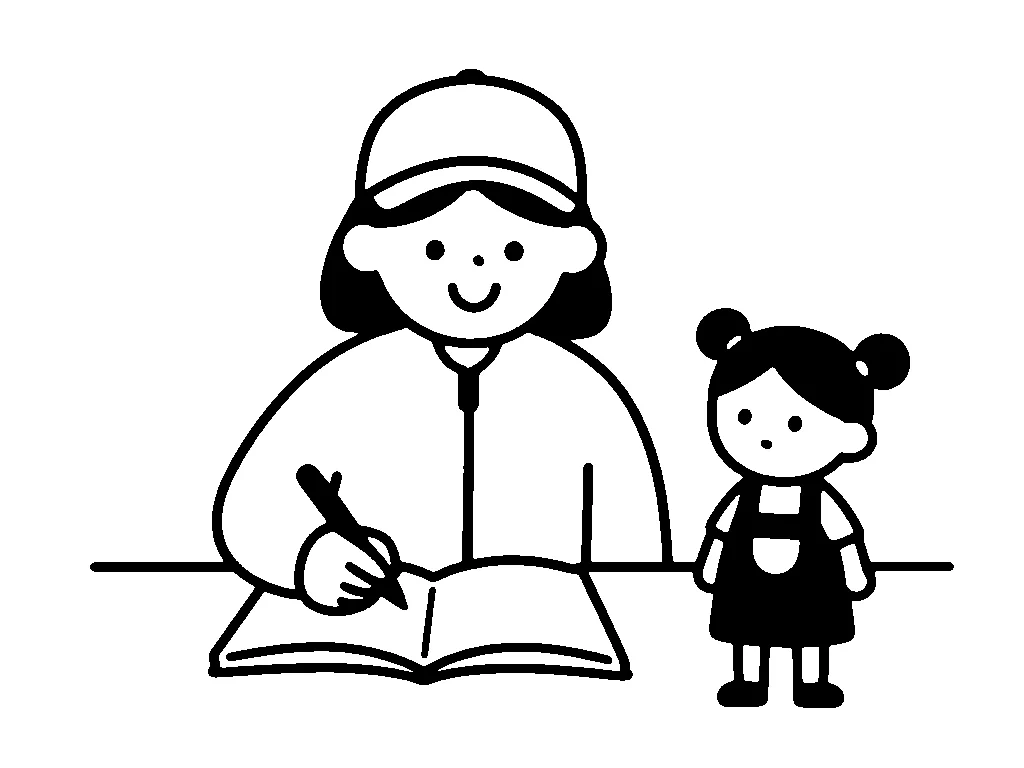
- Grandma 笔记本给我,我也想写。
- An'an 奶奶,大王的优点是什么?
- Grandma 没有。缺点也没有。大王全部都是特点!
- An'an 优点、缺点和特点,有什么区别?
- Grandma 优点是好的地方,缺点是不好的地方。
- An'an 特点呢?
- Grandma 特点是跟别人不一样的地方。
- An'an 大王睡觉的时候,谁跟它说话,它都不听,这是特点!
- Grandma 对!写好了。
- An'an 奶奶,谢谢您!
At the restaurant, a quiet moment later
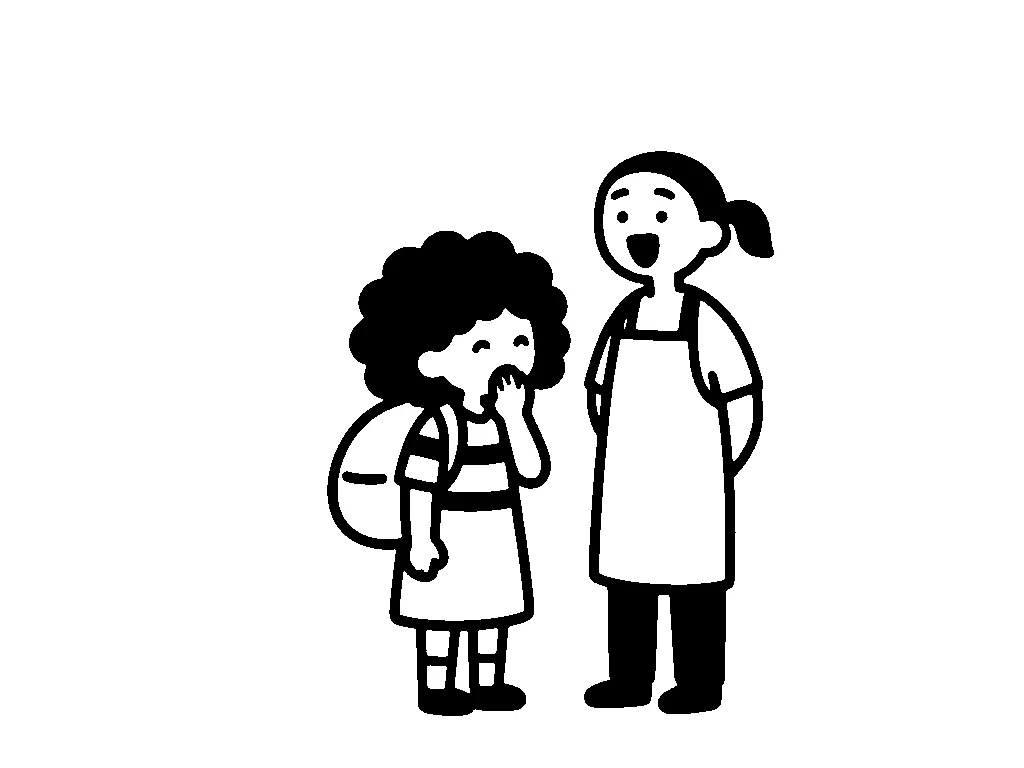
- An'an 还有一页:你们俩有相同的优点吗?
- Mia 我写了十个优点,可是没有一个相同。
- Xiao Zhou 我想到一个!我讲个笑话吧。
- An'an 讲吧!
- Xiao Zhou 客人问:我的菜呢?我说:在排队,前面还有三个!
- Mia 我笑了!可是这个笑话不在我的计划里。
- An'an 你们俩笑的地方完全相同。
- Xiao Zhou 我们都喜欢笑话。这是一个!
- An'an 我知道区别了:米亚的笔记本是满的,小周的是空的。
- Mia 我现在就把它写下来。优点相同:都喜欢笑话。
A page of An'an's notebook
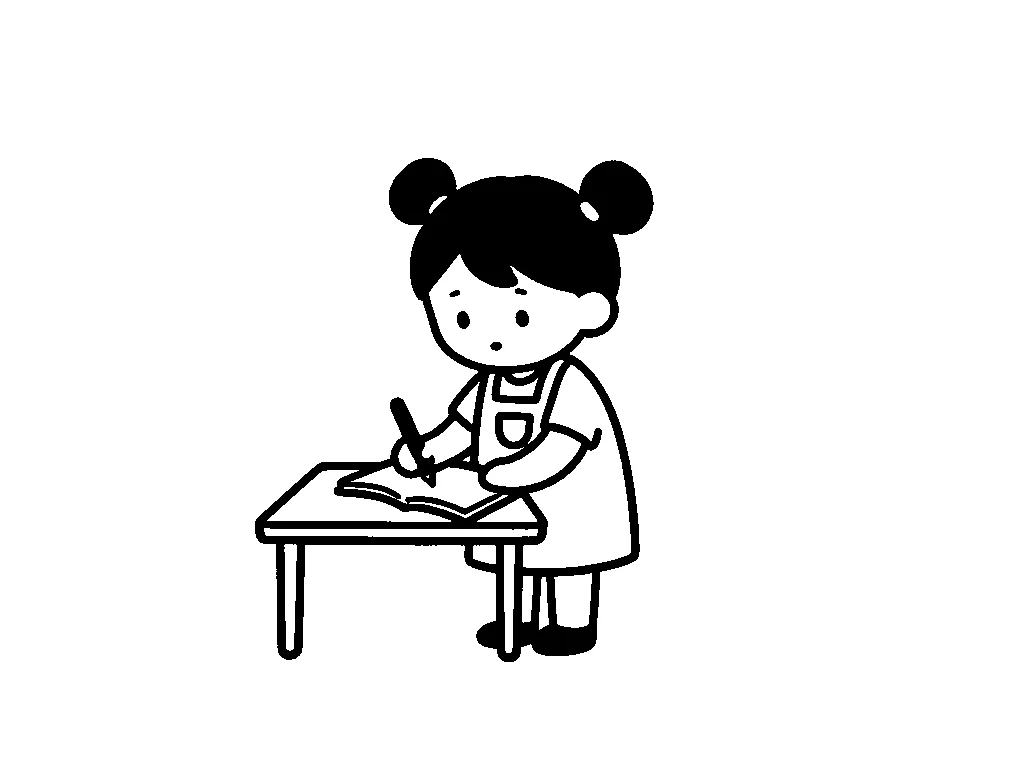
- 星期六,米亚和小周一起写节日笔记本。
- 她们俩的性格完全相反。
- 米亚喜欢计划,一个星期前就写好了。
- 小周喜欢随便,什么都没有写。
- 她们俩都有优点,也都有缺点。
- 奶奶说大王没有优点,也没有缺点,全部都是特点。
- 她写得很认真。
- 然后小周讲了一个笑话,不在米亚的计划里。
- 米亚笑得跟小周一样开心。
- 她们俩笑的地方完全相同。
- 优点相同:都喜欢笑话。
- 我最喜欢她们笑的时候。
- 她们的区别是什么?是笔记本。
- 米亚的笔记本是满的,小周的是空的。
- 明天,米亚想试试什么都不写。
Grammar
A 跟 B 一样 (+ adj) · A 没有 B + adj
A 跟 B 一样 says A is the same as B; add an adjective for how: Mia笑得跟Xiao Zhou一样开心. Negated, 不一样 means 'different'. For 'not as … as', use A 没有 B + adjective: 我没有Mia快.
- 米亚笑得跟小周一样开心。
- 特点是跟别人不一样的地方。
- 我没有米亚快。
- 我没有他高,可是我跟他一样忙。
我们 / 你们 / 她们 / 咱们 + 俩
咱们 includes the person you are talking to; 我们 may not. 俩 means 两个 and goes right after a pronoun: 我们俩, 她们俩, 咱们俩. Never say 俩个, and never add a number: not 我们两俩.
- 我们俩的性格完全相反。
- 她们俩笑的地方完全相同。
- 咱们俩一起写,好不好?
Characters
- 优 A person (亻) who stands out (尤): someone or something that is excellent. In 优点, that is a person's good side.
- 缺 A jar (缶) with a piece missing: 缺 means 'lacking'. In 缺点, it is the part that is missing or not good enough.
A saying
取长补短 Literally, 'take the long to make up the short': use one thing's strong points to cover another's weak ones. People say it when different people or ideas work well together, like someone who plans and someone who improvises.
What you will be able to say
The lesson ends with a talk. Help Xiaolu fill in her festival notebook: tell her your strong points and weaknesses, and say how you and a friend are the same or opposite.
- I can say one of my strong points or a friend's. 我的优点是很认真。
- I can say that I am the same as a friend with 跟…一样. 我跟朋友一样喜欢笑话。
- I can say that a friend and I are opposite. 我们俩的性格完全相反。
- I can say 'the two of us' with 俩 after a pronoun. 我们俩都喜欢笑话。
- I can give an example with 例如 (written) or 比如 (spoken). 我有很多优点,比如,我很认真。
The closing talk needs an account. On the free plan, the first lesson talk you take in each level is free; Plus and Ultimate use the month's Talk minutes.
This lesson is in Plus. Start this lesson