HSK 4 · Lesson 1 · First shift at the restaurant front
So many customers, but no seats! 顾客很多,可是座位不够!
Each lesson is a short story in Mandarin with pictures and audio, the words and grammar it uses, and a talk with Xiaolu at the end. All of HSK 1 is free.
This lesson is free. Start this lesson
- About 27 minutes
- 8 new words
- 1 grammar point
- A 3 to 5 minute talk with Xiaolu at the end
Who is in it
- Mia 米亚 Mǐyà
- Fei 林飞 Lín Fēi
- Mr Lin 林先生 Lín xiānsheng
- Waiting customer 顾客 gùkè
New words
- 顾客 gùkè customer
- 餐厅 cāntīng restaurant, dining hall
- 座位 zuòwèi seat
- 排队 páiduì to queue
- 满 mǎn full
- 够 gòu enough
- 可是 kěshì but
- 不过 búguò but, however (softer than 可是); only
The story
At the restaurant door, Friday evening
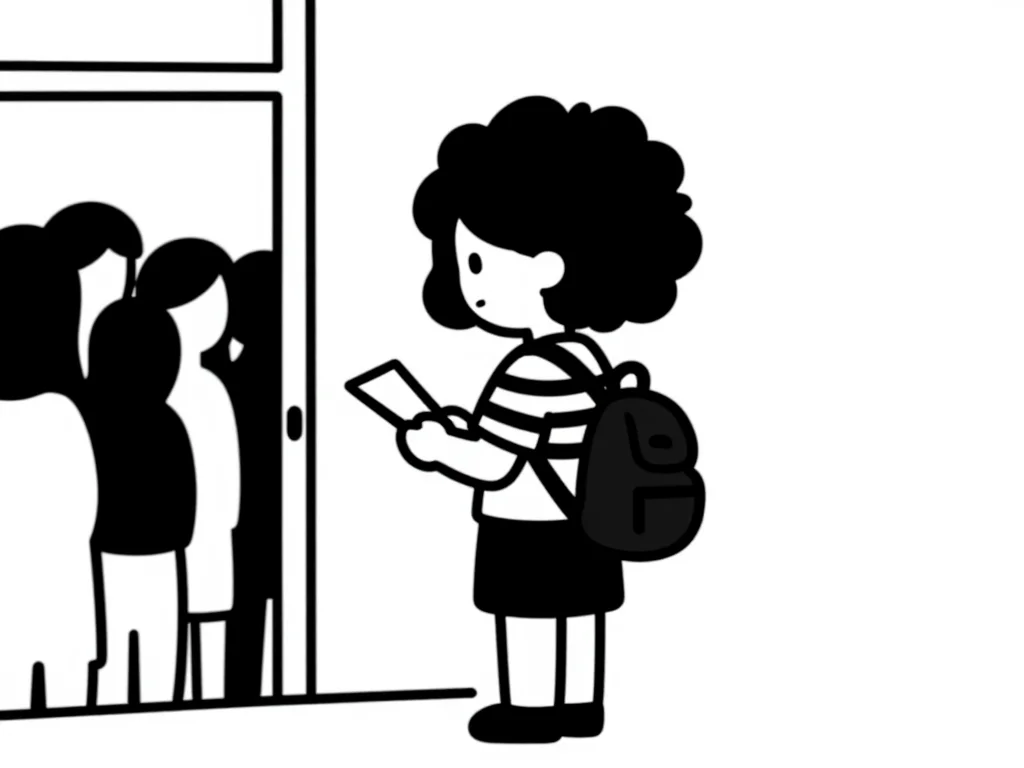
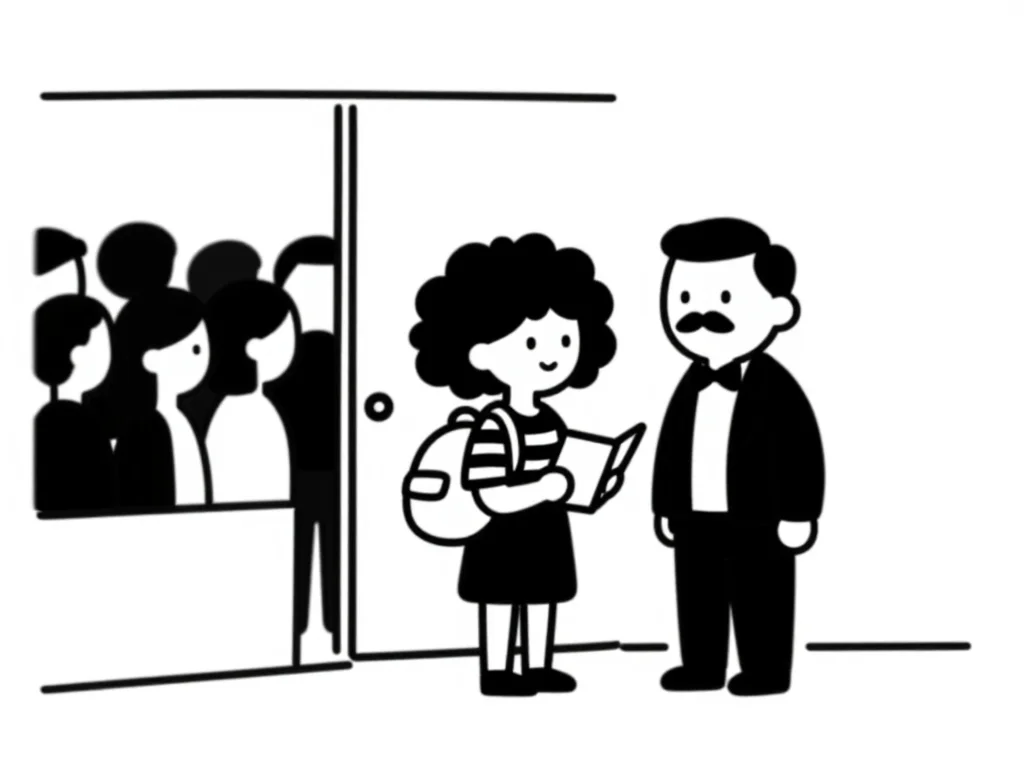
- Mr Lin 米亚,今天你在餐厅前面帮忙,好吗?
- Mia 好!我准备好了。门外有很多人。
- Mr Lin 他们都是顾客,在排队。
- Mia 顾客很多,可是座位不够!
- Mr Lin 不过,马上就有了!
- Mia 真的吗?二十个座位现在都满了。
- Mr Lin 别担心,一会儿就有人走。
- Mia 好。我先请顾客等一下。
At the door, a little later
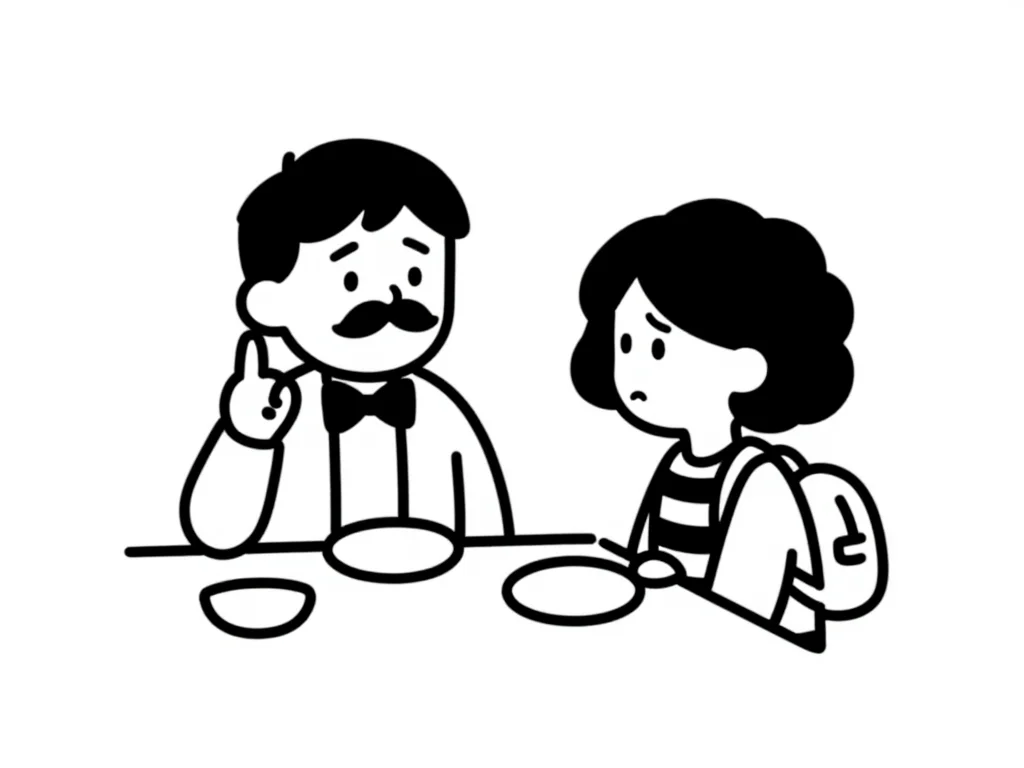
- Waiting customer 请问,我们三个人,有座位了吗?
- Mia 对不起,现在没有。不过,马上就有了。
- Waiting customer 要等多久?
- Mia 我问一下经理。林先生,那张桌子好了吗?
- Mr Lin 好了,马上好!
- Mia 可是桌子上还有碗和盘子。
- Mr Lin 那些客人快吃完了。
- Mia 他们还要吃蛋糕。
- Mr Lin 蛋糕?我的“马上”是半个小时。
- Waiting customer 没关系,我们等吧。蛋糕一定很好吃。
In the queue outside the restaurant
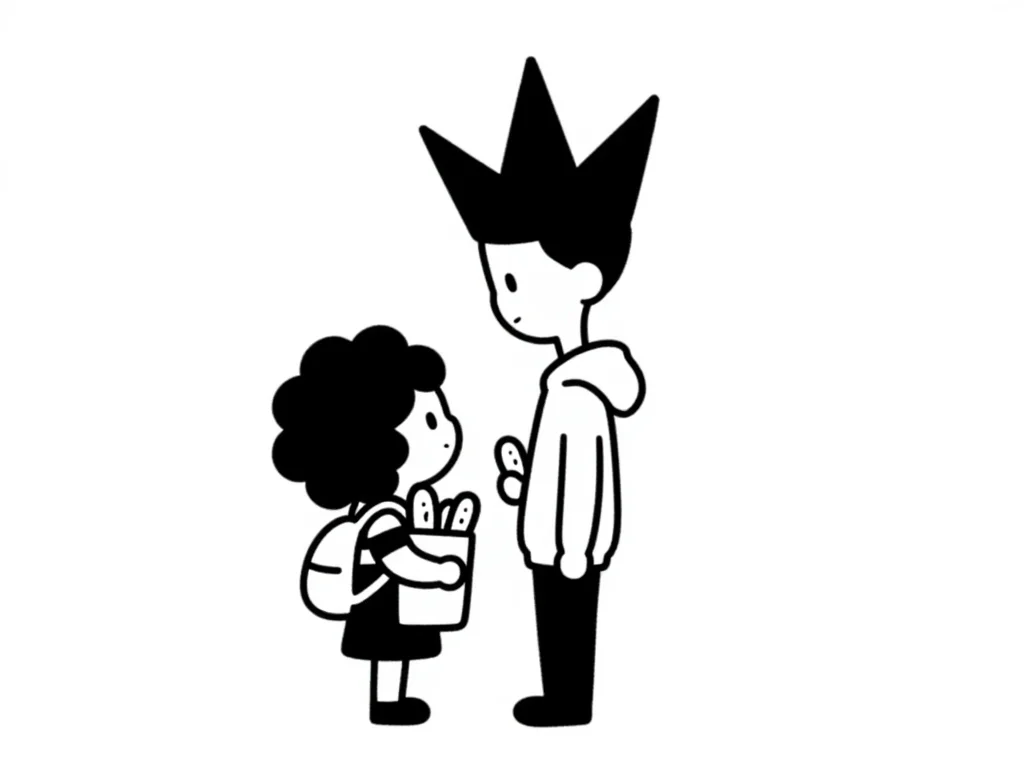
- Fei 米亚,我饿了,座位呢?
- Mia 满了。你想问要等多久吧?我写好了。
- Fei 你的笔记本上写着什么?
- Mia 你在排队,是第十三位,可能要等一个小时。
- Fei 一个小时?可是我现在就想吃!
- Mia 不过,我给你带了面包。
- Fei 一个面包不够我吃!
- Mia 我知道,所以我带了二十个。
- Fei 米亚,你是我最好的朋友!
Mia's diary, that night
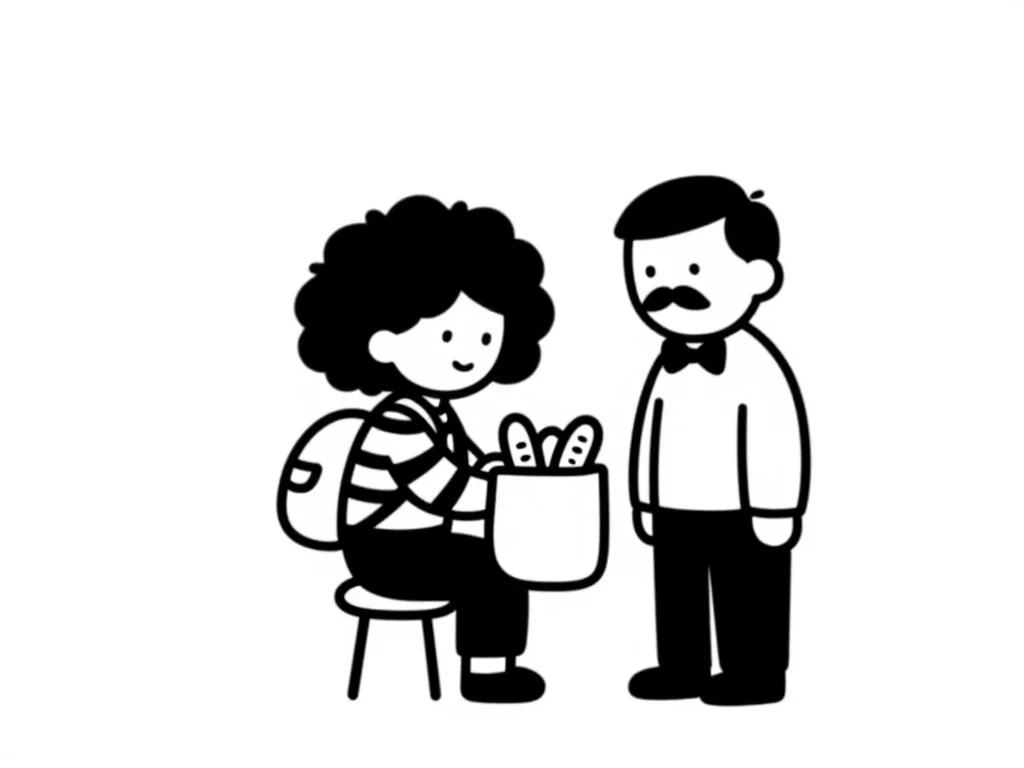
- 今天是我第一次在餐厅工作。
- 门外有很多顾客在排队,餐厅里的座位都满了。
- 顾客很多,可是座位不够,大家都在等。
- 林先生说:“马上就有座位了!”
- 后来我们等了半个小时,终于有了第一张桌子。
- 大家没有生气,还在聊天,还在笑。
- 有一位顾客说:“没关系,我们等一会儿。”
- 我带了二十个面包,给了几位顾客。
- 林飞也来了,他是第十三位顾客。
- 他吃了三个面包,说还不够。
- 林先生看着我的包笑了。
- 他说:“明天也带面包吧!”
- 我很累,不过很高兴。
Grammar
Clause 1,可是/不过 + Clause 2
可是 and 不过 both mean 'but'. They open the second clause, usually after a comma, or start a reply to what was just said. 可是 is the plain, stronger contrast: many customers, but no seats. 不过 is softer, a gentle 'however' after a problem or before good news: tired, but happy. After an 'although' clause, 可是 works like 但是.
- 顾客很多,可是座位不够。
- 座位满了,可是顾客还在排队。
- 我很累,不过很高兴。
- 座位满了,不过马上就有了。
Characters
- 排 The hand on the left means putting things in a row; 非 on the right gives the sound. In 排队 the customers are set in a line, one behind another.
- 满 Water on the left: think of a cup filled to the top. 㒼 on the right gives the sound. A full restaurant is filled up like that cup.
A saying
人山人海 Literally 'people mountain, people sea': so many people that they look like mountains and oceans. People say it about a place packed with a crowd, like a restaurant door on a Friday evening.
What you will be able to say
The lesson ends with a talk. You are helping at the restaurant front and Xiaolu is a customer at the door. Tell her the seats are full, ask her to queue, and use 可是 or 不过 to say 'but'.
- I can say 'but' with 可是 or 不过, e.g. many customers, but not enough seats. 顾客很多,可是座位不够。
- I can ask a customer to queue. 请在门外排队。
- I can say that the seats are full. 座位都满了。
- I can say that the seats are not enough. 座位不够。
- I can say that there are many customers today. 今天顾客很多。
The closing talk needs an account. On the free plan, the first lesson talk you take in each level is free; Plus and Ultimate use the month's Talk minutes.
This lesson is free. Start this lesson