HSK 4 · Lesson 39 · A dare
Dare you say it? 你敢说吗?
Each lesson is a short story in Mandarin with pictures and audio, the words and grammar it uses, and a talk with Xiaolu at the end. All of HSK 1 is free.
This lesson is in Plus. Start this lesson
- About 27 minutes
- 6 new words
- 1 grammar point
- A 3 to 5 minute talk with Xiaolu at the end
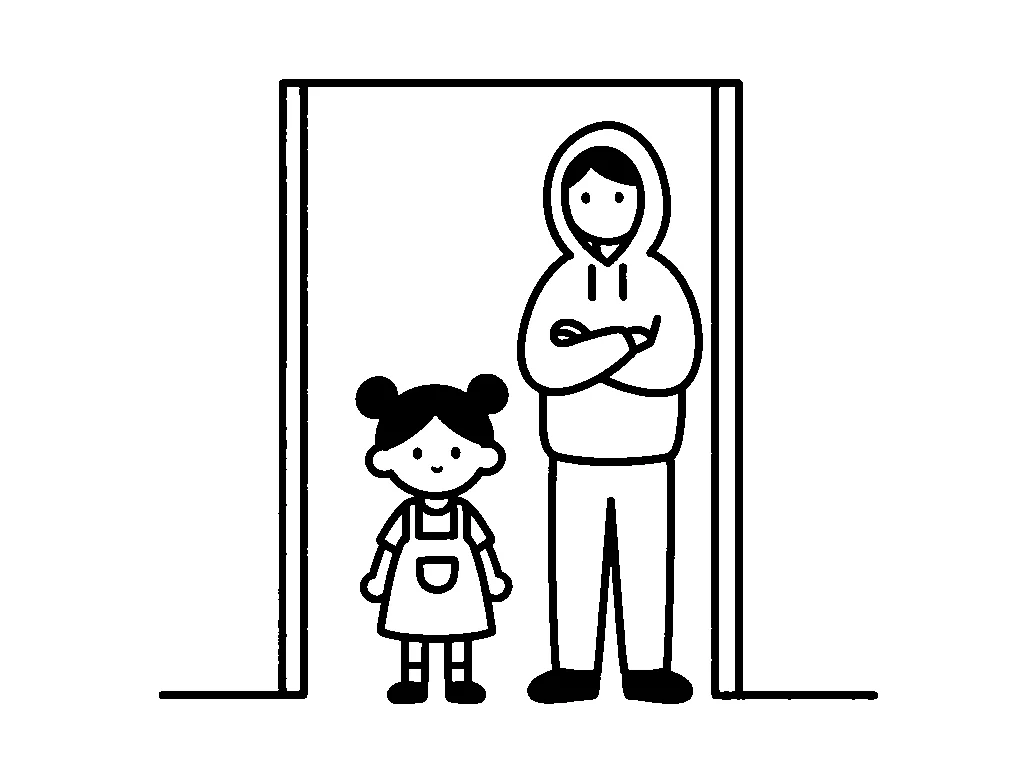
Who is in it
- Fei 林飞 Lín Fēi
- An'an 安安 Ān'ān
- Chef 师傅 shīfu
New words
- 主意 zhǔyi idea
- 理想 lǐxiǎng ideal; a dream, aspiration
- 信心 xìnxīn confidence
- 敢 gǎn to dare
- 不得不 bùdébù to have no choice but to, have to
- 十分 shífēn very, extremely
The story
Outside the restaurant kitchen
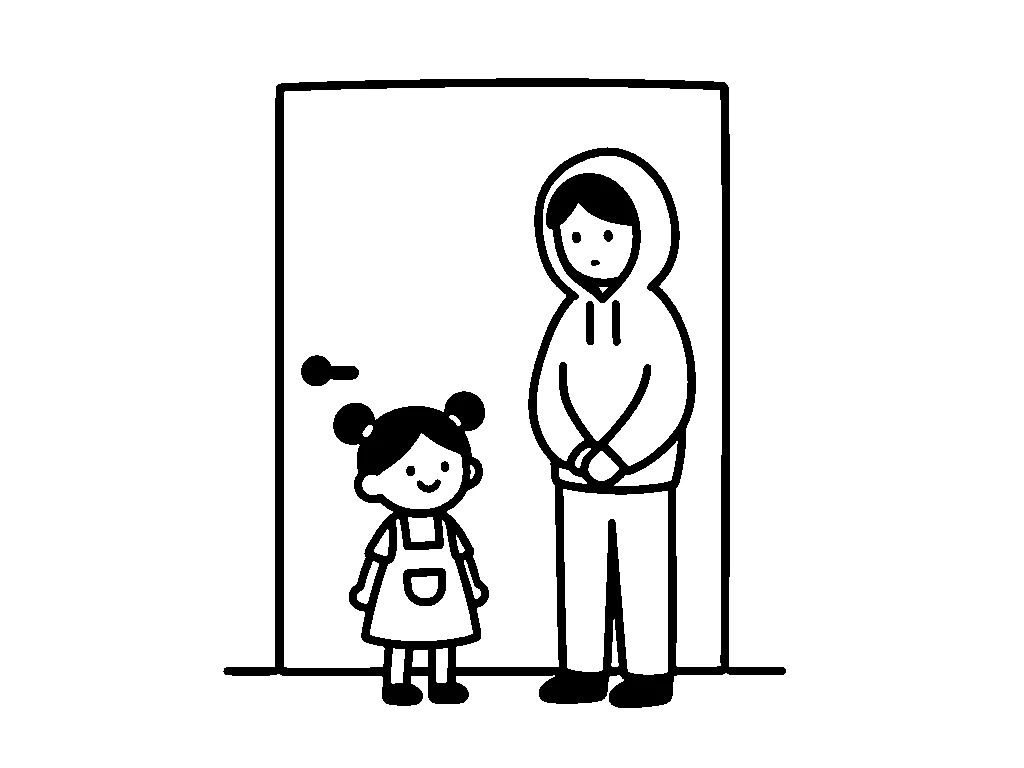
- An'an 师傅说,饭店要有新菜单。
- Fei 别担心,我有主意了!
- An'an 什么主意?
- Fei 夏天做冷面条,放西红柿和鸡蛋。
- An'an 你怎么想到的?
- Fei 我饿的时候,主意总是最多。
- An'an 你敢说吗?
- Fei 不敢。我对自己没有信心,不得不写下来。
- An'an 你的腿没有问题,能走进去。
- Fei 不是腿的问题,是信心的问题。
In the restaurant kitchen
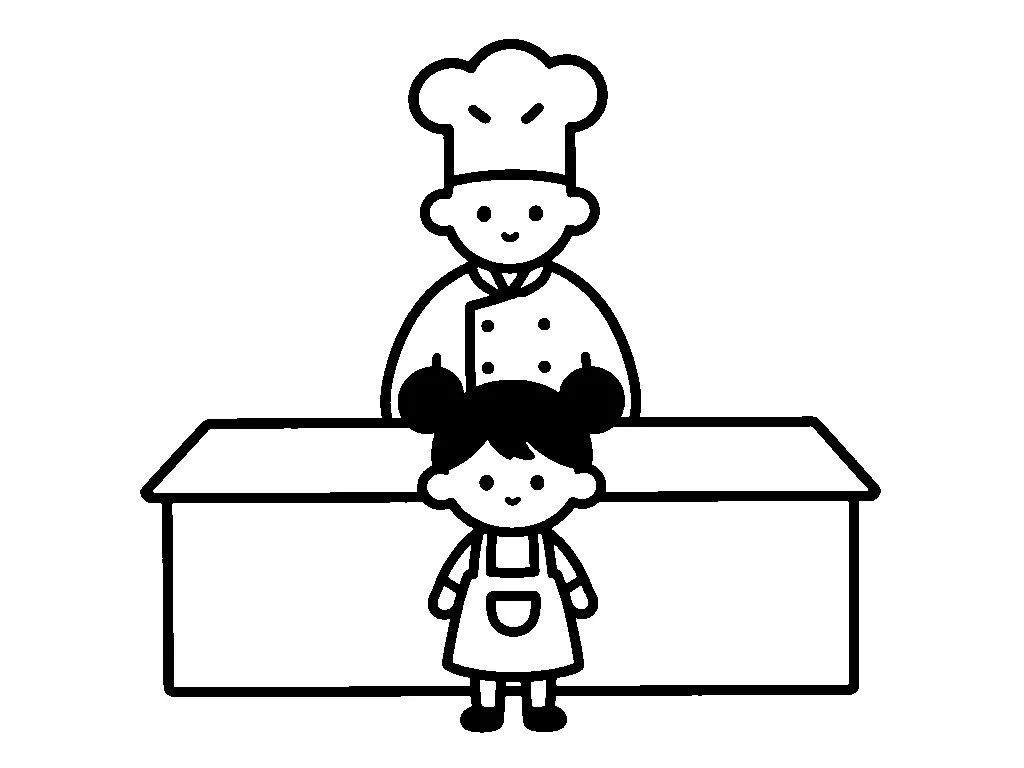
- An'an 师傅,哥哥有一个主意,他不敢说。
- Chef 你敢说,他不敢说?
- An'an 我敢。夏天做冷面条,放西红柿和鸡蛋!
- Chef 这个主意……林飞在哪儿?
- Fei 在这儿,师傅。做菜是我的理想,可是我不敢说。
- Chef 别担心。你把它写下来,我看看。
- Fei 好,我马上写。可是我十分担心。
- Chef 写好了给我。我去拿我的笔记本。
In the restaurant kitchen, a little later
- Fei 师傅,我写好了。
- Chef 好。你看,这是我的笔记本。
- An'an 这一页很旧,写的是什么?
- Chef 夏天做冷面条,放西红柿和鸡蛋。
- Fei 一样的主意!这是什么时候写的?
- Chef 二十年前。那时候我也不敢说,不得不写下来。
- An'an 好主意应该说出来,不应该只写下来。
- Chef 你说得对!今天有人比我敢说。
- Fei 师傅,我们现在就做冷面条吧。我饿了!
Fei's diary
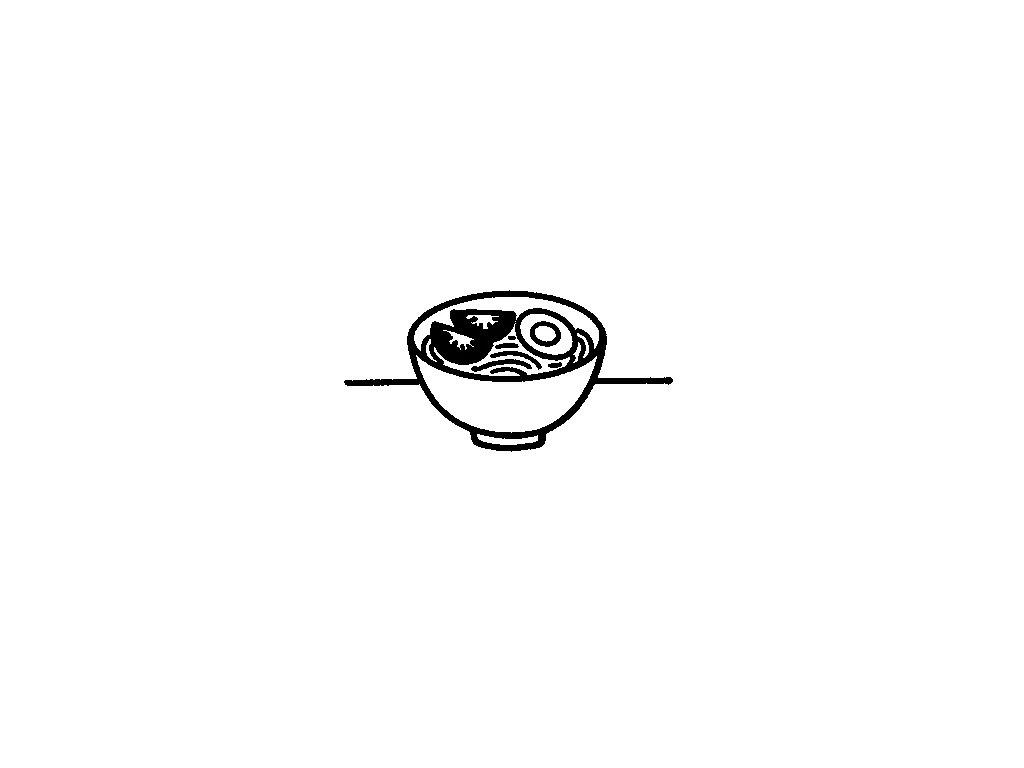
- 今天,我有了一个新菜单的主意。
- 我想夏天做冷面条,放西红柿和鸡蛋。
- 可是师傅在厨房里,我不敢说。
- 我对自己没有信心,不得不写下来。
- 安安十分愿意帮我,她一个人走进了厨房。
- 她对师傅说:“我哥哥不敢说,我敢!”
- 师傅让我把主意写下来。
- 他的笔记本里,二十年前就写着一样的主意。
- 原来师傅二十年前也不敢说。
- 做菜是我的理想,我要有信心。
- 今天,我们三个人吃了冷面条,十分好吃。
- 师傅说,明天就把它写在菜单上。
Grammar
S + 敢 / 不敢 / 不得不 + V
敢 + verb means 'dare to': 他不敢说, 'he doesn't dare to say it'. 不得不 + verb means 'have no choice but to': 我不得不写下来, 'I have to write it down'. Both stand before the verb, after the subject; adverbs like 也 go before them. 不敢 is about courage, not ability. Like 应该, they are modal verbs.
- 他不敢说。
- 你敢说吗?
- 我不得不写下来。
- 那时候师傅也不敢说,不得不写下来。
Characters
- 意 心 sits under 音: what sounds in your heart is what you have in mind. Both parts give the meaning. 意 is at the end of 主意 (idea) and 意思 (meaning).
- 理 The jade part on the left is the meaning: working jade along its grain gives order. 里 on the right gives the sound. 理 is at the start of 理想.
A saying
纸包不住火 Literally: paper cannot wrap up a fire, because the fire burns through it. People mean that the truth cannot stay hidden for long; it always comes out in the end.
What you will be able to say
The lesson ends with a talk. Xiaolu has an idea for the restaurant's menu but does not dare to tell the chef, so encourage her: ask if she dares, say she has no choice but to write it down if she cannot say it, and tell her something about her idea and her confidence.
- I can say who dares or does not dare to do something with 敢 / 不敢 + verb. 你不敢说?我敢!
- I can say there is no choice but to do something with 不得不 + verb. 你不敢说,就不得不写下来。
- I can talk about an idea (主意). 你的主意很好。
- I can tell someone to be confident (信心). 你应该有信心。
- I can say something is very good or that someone is very worried with 十分. 冷面条十分好吃。
The closing talk needs an account. On the free plan, the first lesson talk you take in each level is free; Plus and Ultimate use the month's Talk minutes.
This lesson is in Plus. Start this lesson