HSK 4 · Lesson 66 · The clue notebook, read as a novel
Even the author doesn't know the answer 连作者都不知道答案。
Each lesson is a short story in Mandarin with pictures and audio, the words and grammar it uses, and a talk with Xiaolu at the end. All of HSK 1 is free.
This lesson is in Plus. Start this lesson
- About 28 minutes
- 8 new words
- 2 grammar points
- A 3 to 5 minute talk with Xiaolu at the end
Who is in it
- Fei 林飞 Lín Fēi
- An'an 安安 Ān'ān
- Grandma 奶奶 nǎinai
New words
- 小说 xiǎoshuō novel
- 日记 rìjì diary
- 杂志 zázhì magazine
- 作者 zuòzhě author (of a text)
- 作家 zuòjiā writer (by profession)
- 内容 nèiróng content
- 有趣 yǒuqù interesting, fun
- 连 lián even (连……都 / 也)
The story
In the living room, Saturday afternoon
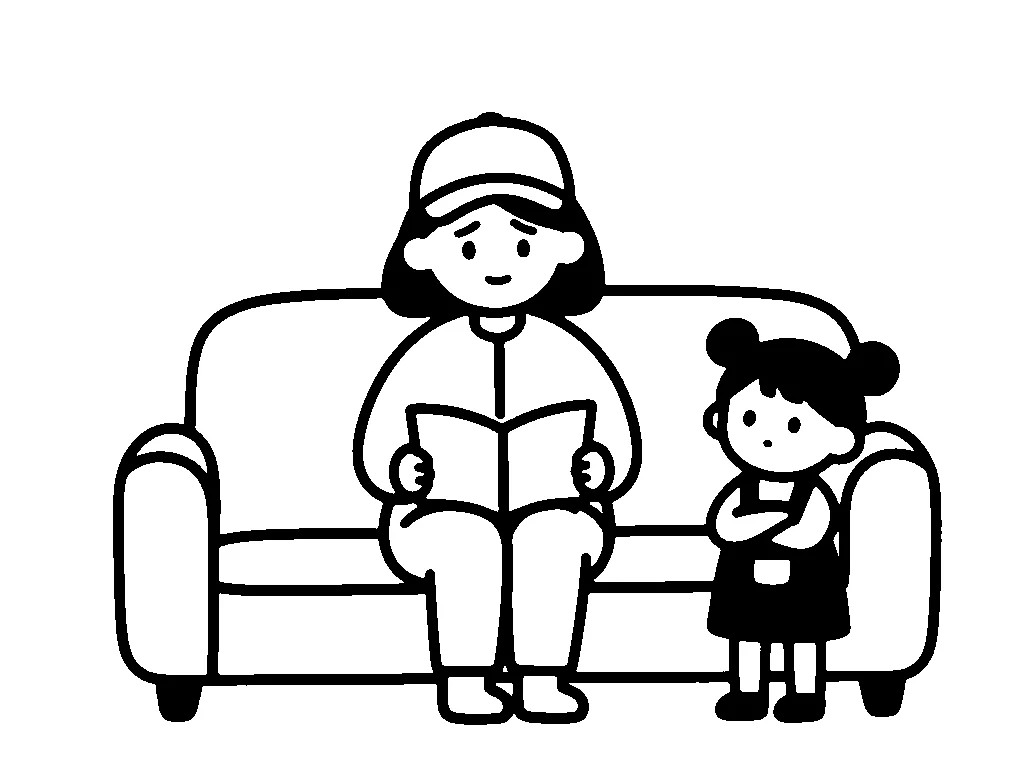
- Grandma 安安,你的笔记本我看了一下午。
- An'an 奶奶,好看吗?
- Grandma 这是小说还是日记?
- An'an 都不是,是我的笔记本。
- Fei 我觉得它像杂志,每天都有新的一页。
- Grandma 杂志里有照片,这儿都是字。
- Grandma 你写了很多,答案是什么?
- An'an 我是作者,答案我都知道!
- Fei 作者,我们几点吃饭?
- Grandma 先吃饭,再看笔记本。
At the dinner table, with the notebook
- Grandma 这个笔记本的内容很有趣。
- An'an 谢谢奶奶!我每天都写,都是关于米亚的事情。
- Grandma 我叫它“猜猜看”:先猜,再猜,然后看。
- Fei 看什么?
- Grandma 看最后一页的答案。
- Fei 安安,你将来想当作家吗?
- An'an 现在我只是作者。作家的工作是写书。
- Grandma 好,作者,我们先看第一页。
At the table, the last page
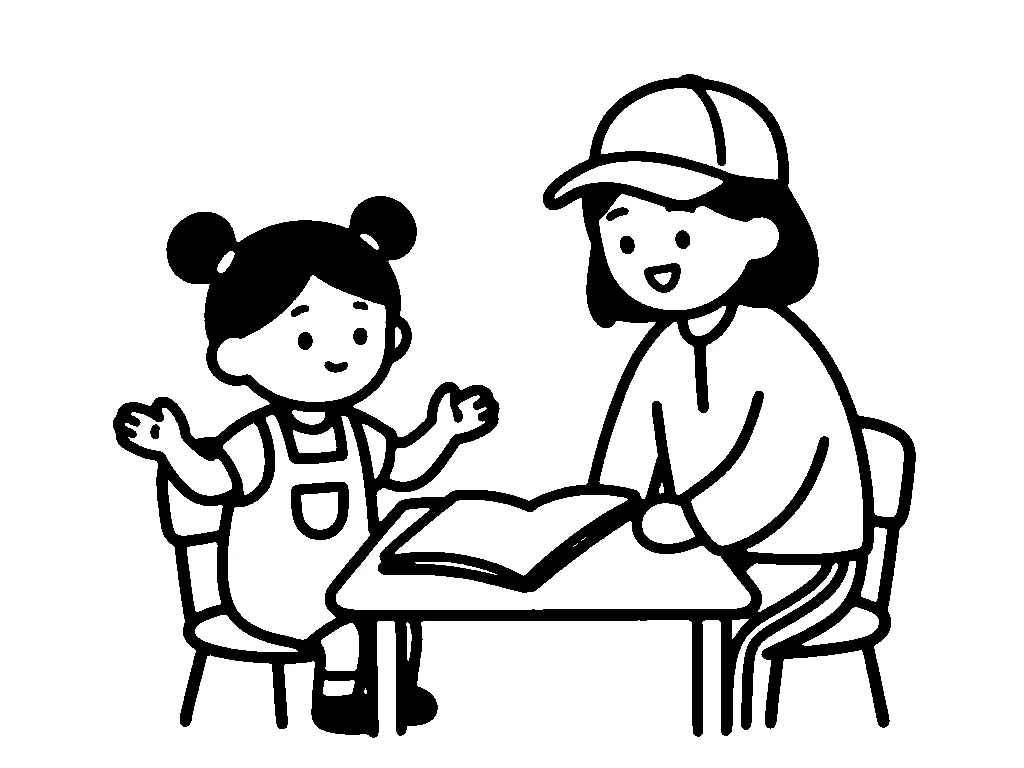
- Grandma 好,看最后一页。最后一页是空的?
- An'an 对,我连一个字也没写。
- Fei 你不是说答案你都知道吗?
- An'an 连作者都不知道答案。
- Grandma 为什么?
- An'an 我写了很多页,每页的答案都不一样。
- Grandma 所以没有答案。我猜了三次,连一次也没猜对!
- Fei 你连我的“几点吃饭”也写了?
- An'an 对,写在第一页!
- Grandma 好,今天的日记,写“先吃饭”吧。
An'an's diary, Sunday night
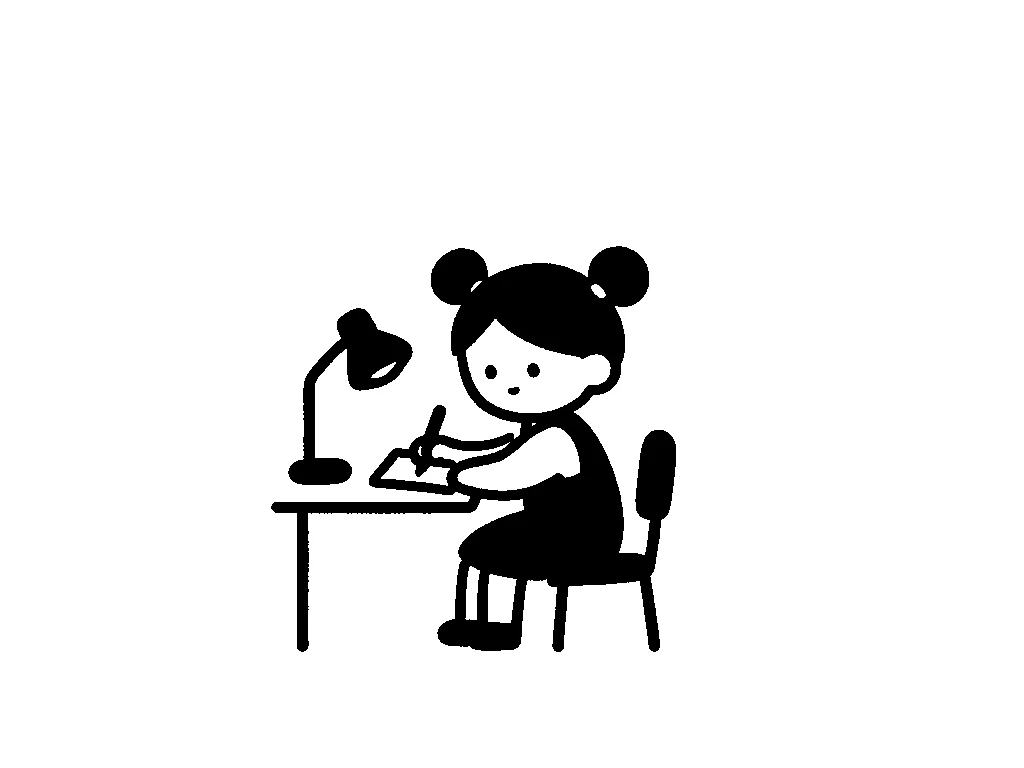
- 星期天,晴。
- 昨天,奶奶看了一下午我的笔记本。
- 她问我:“这是小说还是日记?”
- 我说:“都不是,是我的笔记本。”
- 奶奶说,笔记本里的内容很有趣。
- 她说它叫“猜猜看”。
- 先猜,再猜,然后看,可是没有答案。
- 哥哥说,这像杂志,每天都有新的一页。
- 奶奶说,杂志里有照片,这儿都是字。
- 最后一页是空的,我连一个字也没写。
- 我没写,是因为连作者都不知道答案。
- 将来我想当作家,写很多书。
- 到时候,我连最后一页也要写满。
- 现在,我先去吃饭了。
Grammar
连 + extreme item + 都 / 也 + V
连 + the most extreme case + 都 or 也 + verb means 'even X': 连作者都不知道答案, 'even the author doesn't know the answer'. The verb always comes after 都/也. It is often negative (我连一个字也没写, 'I didn't write even one character'), and 连 never stands without 都 or 也.
- 连作者都不知道答案。
- 我连一个字也没写。
- 你连我的“几点吃饭”也写了?
- 连奶奶也笑了。
S + 都 + V
都 means 'all' or 'both'. It goes after the subject and before the verb: 大家都想看. With 不 or 没, 都 still comes first: 我们都不知道 means none of us knows. Never put 都 before a noun.
- 大家都想看。
- 我们都不知道。
- 我们都喜欢这个笔记本。
Characters
- 趣 走 on the left means moving toward something, and 取 gives the sound. Something 有趣 pulls you toward it, because you want to know more.
- 连 A cart (车) moving along a road (辶): carts in a line, one joined to the next. That gives 'to link', and then 'even', as you stretch all the way to the last one.
A saying
日积月累 Literally: 'piled up by the day, built up by the month'. People say it when small things done every day, like a page of diary, slowly add up to something big.
What you will be able to say
The lesson ends with a talk. Tell Xiaolu about something you like to read: say whether it is a novel, a diary or a magazine, who the author is, and what is interesting about it. Use 连……都 or 连……也 once for 'even'.
- I can say 'even' with 连……都 or 连……也, for example that even the author doesn't know, or that I didn't write even one character. 我连吃饭的时候也想看。
- I can say who the author of a text is. 我是这本日记的作者。
- I can say that a novel, diary or magazine is interesting. 这本小说很有趣。
- I can talk about a diary: who writes it or how often. 我每天写日记。
- I can use 都 after the subject to say 'all' or 'both'. 我们都喜欢看小说。
The closing talk needs an account. On the free plan, the first lesson talk you take in each level is free; Plus and Ultimate use the month's Talk minutes.
This lesson is in Plus. Start this lesson