HSK 4 · Lesson 30 · Languages at the table
Your Mandarin is getting more and more fluent! 你的普通话越来越流利了!
Each lesson is a short story in Mandarin with pictures and audio, the words and grammar it uses, and a talk with Xiaolu at the end. All of HSK 1 is free.
This lesson is in Plus. Start this lesson
- About 28 minutes
- 8 new words
- 2 grammar points
- A 3 to 5 minute talk with Xiaolu at the end
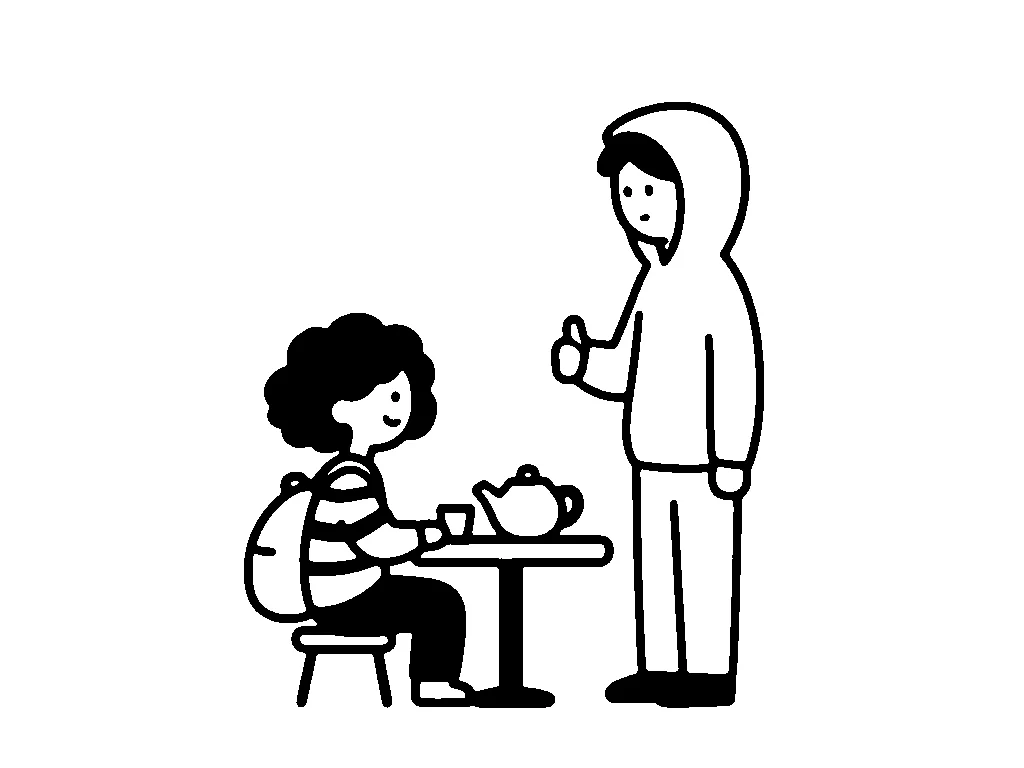
Who is in it
- Mia 米亚 Mǐyà
- Grandma 奶奶 nǎinai
- Weekend waiter 服务员 fúwùyuán
New words
- 普通话 pǔtōnghuà Mandarin (Putonghua)
- 语言 yǔyán language
- 流利 liúlì fluent
- 翻译 fānyì to translate; a translator
- 对话 duìhuà dialogue, conversation
- 词语 cíyǔ words and phrases
- 交流 jiāoliú to exchange, communicate
- 通过 tōngguò to pass (an exam); by means of
The story
At the restaurant, Saturday
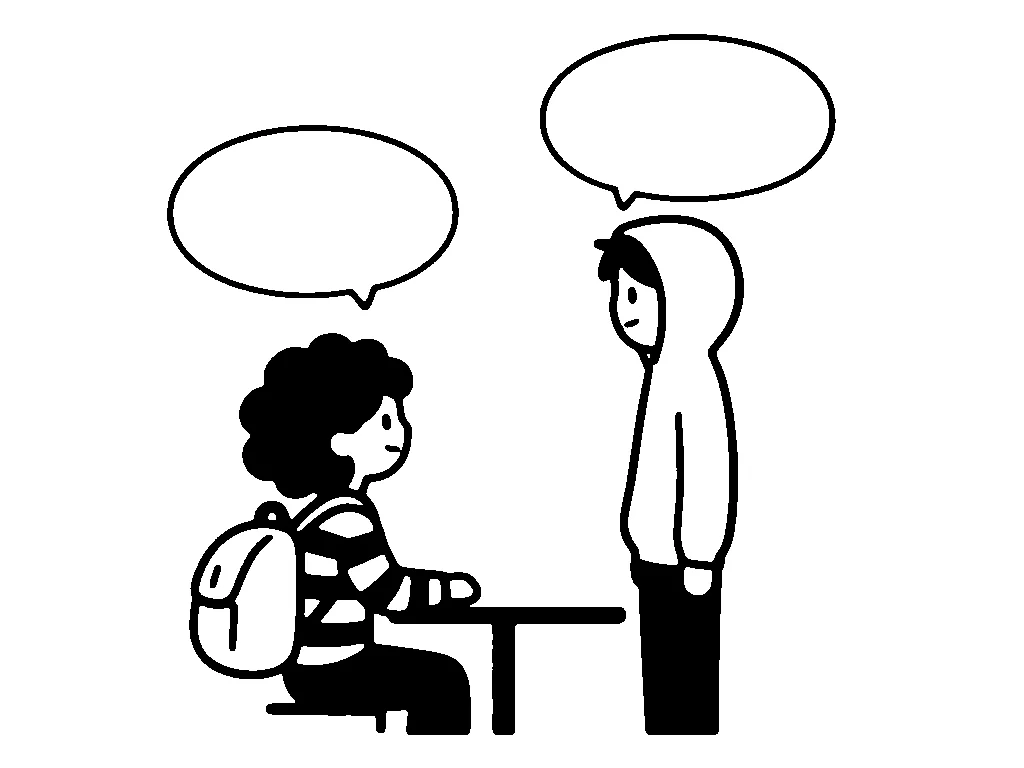
- Weekend waiter 欢迎!请坐。
- Mia 谢谢。请给我们菜单。
- Weekend waiter 你的普通话越来越流利了!菜单在这儿。
- Mia 真的吗?谢谢!学习语言,应该每天练习。
- Weekend waiter 这些词语你都会说了,以前你每次都看词典。
- Mia 我的词典在包里。我带了两本。
- Weekend waiter 两本?今天用不到,菜单很简单。
- Mia 好,我要一份羊肉面条。
- Weekend waiter 对不起,羊肉卖完了。我给你做一份“周末面条”!
- Mia 菜单上没有这个菜呀!
At the same table, a little later
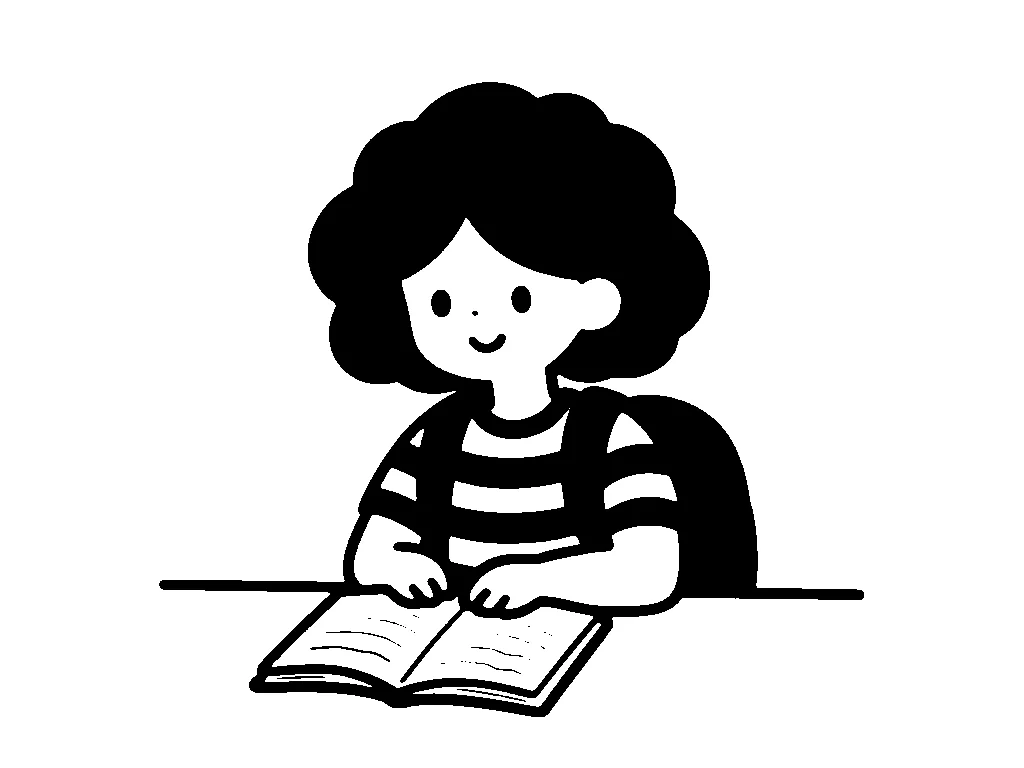
- Weekend waiter 现在有了。名字是我刚才想的。
- Mia 你想到什么就做什么,真有办法!
- Grandma 米亚,我也有一个办法:你教我,好吗?
- Mia 教您什么呀?
- Grandma 教我你们那儿的语言。我想学习。
- Mia 好啊!我先把“周末面条”翻译成我们那儿的语言。
- Grandma 一个月后,看谁说得更流利!
- Mia 好!我今天晚上就开始准备。
At the restaurant, a month later
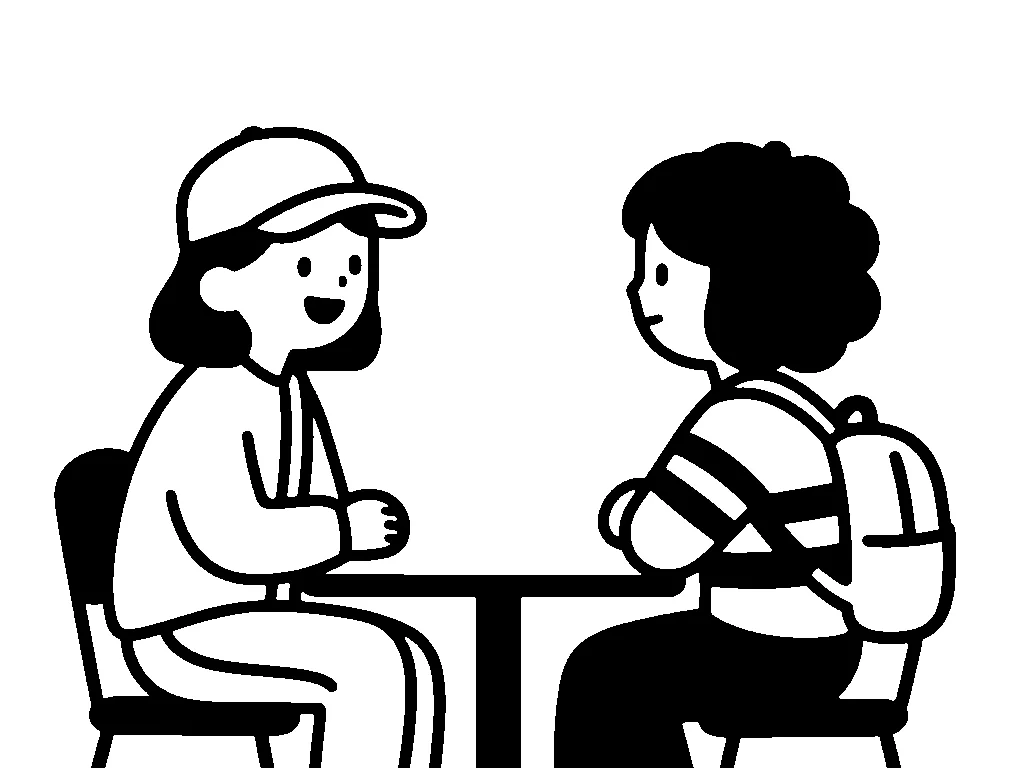
- Weekend waiter 奶奶,一个月了,您的新语言学习得怎么样了?
- Grandma 我已经会说二十个词语了!
- Mia 我们每天通过手机交流,还练习对话。
- Weekend waiter 太好了!米亚,你可以做翻译!
- Mia 我只想做奶奶的老师。通过交流,我们都提高了。
- Grandma 米亚,这个词语我不懂。你的词典里有中文吗?
- Mia 有!我带了两本,一本给您!
- Weekend waiter 两本!今天真的用到了。
- Grandma 谢谢,米亚老师!我们明天再练习。
Mia's notebook

- 星期六,饭店的服务员说我的普通话越来越流利了。
- 服务员给我做了一份菜单上没有的“周末面条”。
- 她想到什么就做什么,真有办法。
- 奶奶也有一个办法:让我教她我们那儿的语言。
- 后来我每天通过手机教奶奶词语,我们还练习对话。
- 一个月后,奶奶已经会二十个词语了。
- 奶奶说:“我是你的学生,你也应该向我学习!”
- 有人说我可以做翻译,可是我更想做奶奶的老师。
- 我带的两本词典,现在一本是奶奶的了。
- 通过交流,我们都提高了。
Grammar
通过 + means / way, + result
通过 + noun names the channel or process by which something is done or reached: 通过交流, 'by communicating'; 通过手机, 'by phone'. It opens the sentence or follows the subject, and the result comes after. It is a little more formal than 用. For an instrument you work with, like a pen, say 用. (通过 also means 'to pass', as in an exam.)
- 通过交流,大家都提高了。
- 我通过手机教奶奶词语。
- 通过练习,我的普通话越来越流利了。
V + 成 + result; 把 + O + 翻译成 + language
成 after a verb says what something turns into: 翻译成 means 'translate into'. The new form comes after 成: 翻译成中文. With 把, the thing being translated comes first: 把菜单翻译成中文. Without 成 you only say 'translate', not 'into what'.
- 我把“周末面条”翻译成我们那儿的语言。
- 请把这个句子翻译成中文。
- 这个词语可以翻译成中文吗?
Characters
- 语 The speech radical on the left tells you 语 has to do with talking; 吾 on the right gives the sound. You'll see 讠 again in 词 and 译.
- 流 Water on the left, because 流 first meant 'to flow'. 流利 is speech that flows like water, with no stops.
A saying
活到老,学到老 Literally: 'live until old, learn until old'. People mean that you never stop learning, just as Mia and Grandma keep learning from each other.
What you will be able to say
The lesson ends with a talk. Help Xiaolu, who is learning Chinese: praise her Mandarin, say how you practise with 通过, and ask her to translate a sentence into Chinese with 把…翻译成.
- I can say that someone's Chinese is fluent. 你的普通话说得很流利。
- I can say how I do something with 通过 + means. 我通过手机练习汉语。
- I can ask someone to translate something into Chinese with 把…翻译成…. 请把这个句子翻译成中文。
- I can talk about words and phrases I don't understand. 这个词语我不懂。
- I can say that we practise conversations. 我们每天练习对话。
The closing talk needs an account. On the free plan, the first lesson talk you take in each level is free; Plus and Ultimate use the month's Talk minutes.
This lesson is in Plus. Start this lesson