HSK 4 · Lesson 62 · The family chat
Is this news or an advert? 这是新闻,还是广告?
Each lesson is a short story in Mandarin with pictures and audio, the words and grammar it uses, and a talk with Xiaolu at the end. All of HSK 1 is free.
This lesson is in Plus. Start this lesson
- About 28 minutes
- 7 new words
- 1 grammar point
- A 3 to 5 minute talk with Xiaolu at the end
Who is in it
- Fei 林飞 Lín Fēi
- Grandma 奶奶 nǎinai
- Mr Lin 林先生 Lín xiānsheng
- Dawang 大王 Dàwáng
New words
- 联系 liánxì to contact; connection
- 消息 xiāoxi news, a piece of information
- 通知 tōngzhī to notify; a notice
- 广告 guǎnggào advertisement
- 流行 liúxíng popular, in fashion
- 吸引 xīyǐn to attract
- 而 ér and yet, but; and (joins clauses)
The story
The family chat: Grandma's photographs
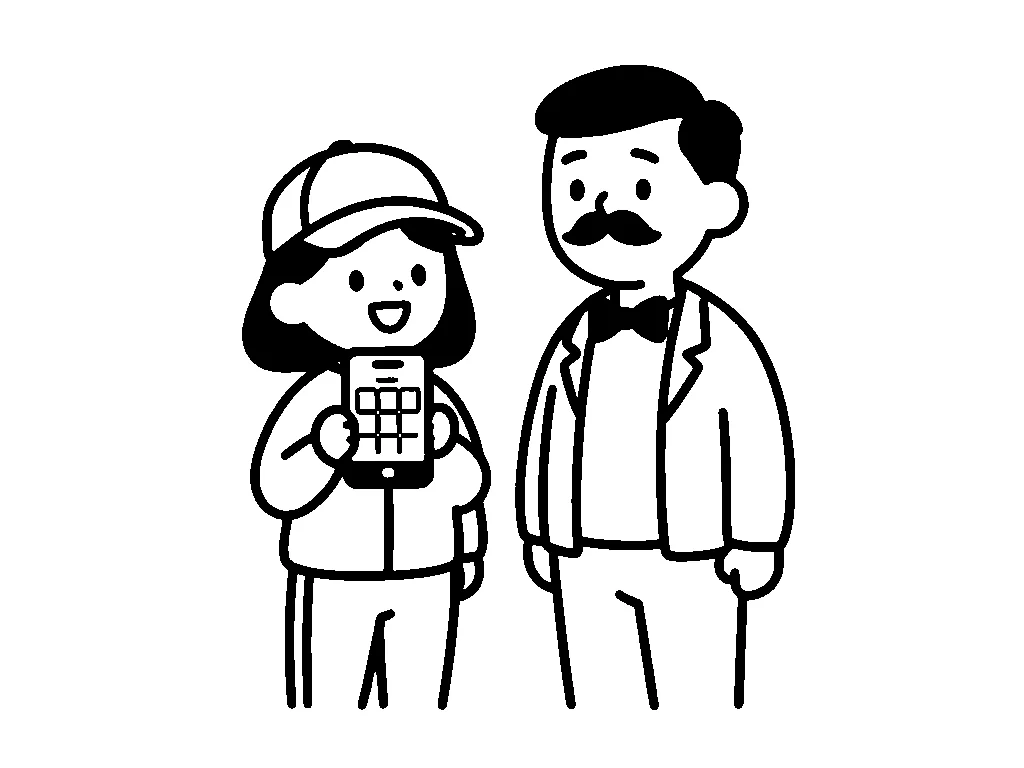
- Grandma 你们看到我的照片了吗?我发了五张。
- Fei 看到了!这几张都很漂亮。
- Mr Lin 爷爷和叔叔都联系你了吧?他们也想要照片。
- Grandma 联系了!现在我的照片最流行。
- Mr Lin 阿姨也联系你了吧?她跟我说要十张。
- Grandma 十张?我再发二十张!
- Fei 我发的照片,没有人联系我。
- Grandma 你发的每张都是菜!谁想看菜?
- Mr Lin 明天让奶奶教你吧。
- Grandma 好!第一课:看人,不看菜。
The family chat: an advert about apples

- Mr Lin 大家注意!我要通知大家一件事情。
- Mr Lin 超市的苹果打折了,这是今天最重要的消息!
- Fei 这是新闻,还是广告?
- Mr Lin 当然是新闻!我的朋友发给我的。
- Grandma 最后写着“买一送一”,新闻里有这个吗?
- Fei 还有价格:一公斤三块!新闻里没有价格。
- Mr Lin 好吧……是广告,而不是新闻。
- Fei 不过苹果很便宜,我们去买吧!
- Grandma 我也去!我一定买得最多。
- Mr Lin 好!明天我先看清楚,再发给大家。
The family chat: Fei's cooking programme
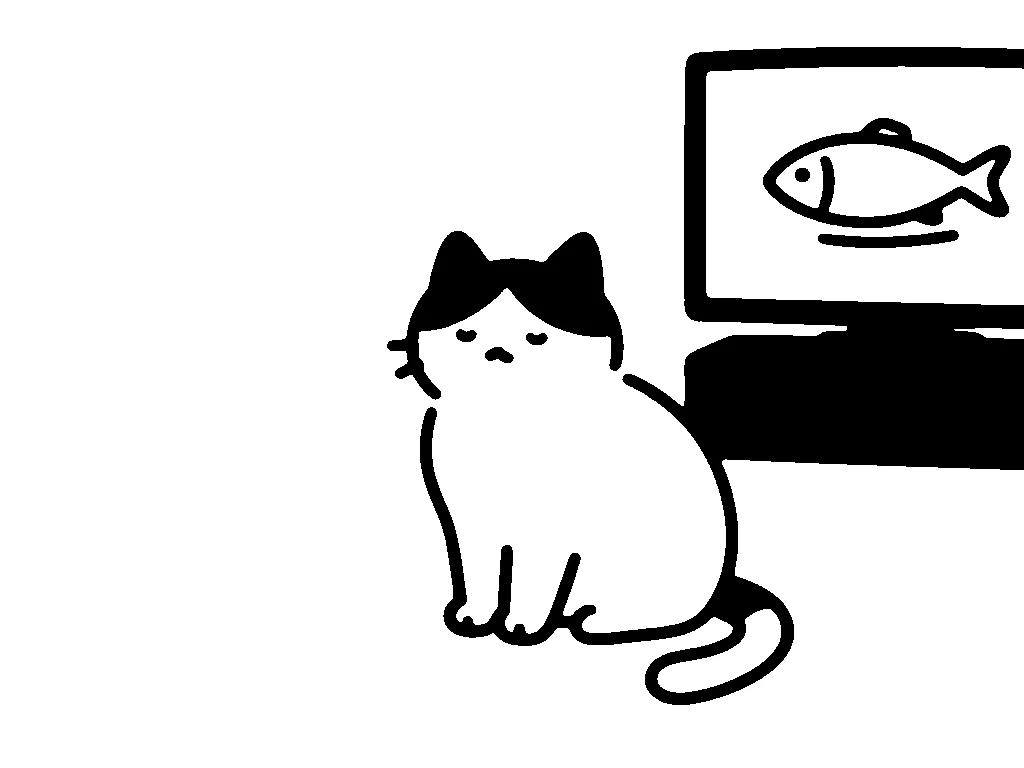
- Fei 我的做菜节目有四个观众了!
- Mr Lin 第一个是我,第二个是奶奶,第三个呢?
- Grandma 我是第一个!我每天都看。
- Fei 第三个是我同学,第四个是大王!
- Mr Lin 大王?它也看你的节目?
- Fei 对,它坐在电视前面,看得很认真。
- Grandma 是什么吸引了它?你今天做的是什么?
- Fei 鱼。
- Grandma 吸引它的是鱼,而不是你。
- Fei 没关系,第四个观众也是观众!
Fei's notes on the day
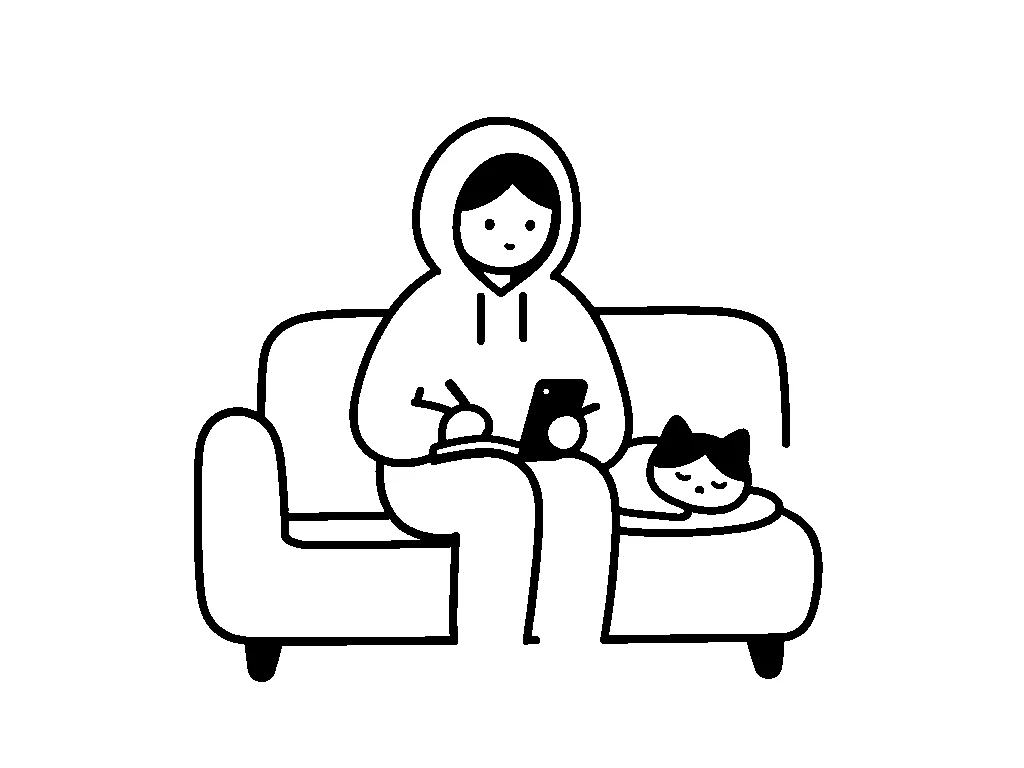
- 今天家里人在手机上聊天,特别热闹。
- 奶奶的照片很流行,而我的做菜节目观众很少。
- 爷爷、叔叔和阿姨都联系了她。
- 她说,大家都想要她的照片。
- 后来爸爸发来一个通知。
- 他说超市的苹果打折了,这是大消息。
- 可是我一看就知道,这是广告,而不是新闻。
- 广告里有价格,还有“买一送一”。
- 爸爸说,明天他先看清楚,再发给大家。
- 今天我的节目有了第四个观众。
- 第四个观众是大王。
- 它今天坐在电视前面,看得很认真。
- 吸引它的是我做的鱼,而不是我。
- 我觉得,这也是一个好消息。
Grammar
A,而 B / 是 A,而不是 B
而 joins two clauses or descriptions. It can show contrast ('and yet, but') or addition ('and'). 而不是 means 'and not': say what it is, then what it is not. For plain nouns use 和 (苹果和鱼); 而 links whole statements, as in 是广告,而不是新闻: 'it is an advert, and it is not news'.
- 这是广告,而不是新闻。
- 吸引它的是鱼,而不是林飞。
- 这个城市美丽而安静。
- 奶奶喜欢发照片,而林飞喜欢做菜。
Characters
- 消 The water radical on the left hints at something that melts or flows away; 肖 on the right gives the sound. 消 on its own means to disappear or to use up. In 消息 it is paired with 息 (news).
- 吸 The mouth radical shows that 吸 started as breathing in or sucking in; 及 gives the sound. From pulling air in, it grew into pulling people's attention in: to attract.
A saying
耳听为虚,眼见为实 Literally: 'what the ears hear is empty, what the eyes see is real'. People mean that you should not trust what you only hear, such as a forwarded message; check it with your own eyes first, as Mr Lin will do before he sends the next notice.
What you will be able to say
The lesson ends with a talk. Xiaolu has received a message about a shop. Help her decide whether it is news or an advert: say which one it is with 而不是, and tell her why.
- I can say what something is and what it is not, with 是…,而不是…. 这是广告,而不是新闻。
- I can call something a piece of news with 消息. 这是一个好消息。
- I can talk about a notice or say I will notify someone with 通知. 我收到了一个通知。
- I can say I will contact someone with 联系. 我马上联系你。
- I can say what attracts people with 吸引. 便宜的鱼吸引了很多人。
The closing talk needs an account. On the free plan, the first lesson talk you take in each level is free; Plus and Ultimate use the month's Talk minutes.
This lesson is in Plus. Start this lesson