HSK 4 · Lesson 75 · The cooking exam result
Not just a pass — outstanding! 不仅合格,而且很优秀!
Each lesson is a short story in Mandarin with pictures and audio, the words and grammar it uses, and a talk with Xiaolu at the end. All of HSK 1 is free.
This lesson is in Plus. Start this lesson
- About 28 minutes
- 8 new words
- 1 grammar point
- A 3 to 5 minute talk with Xiaolu at the end
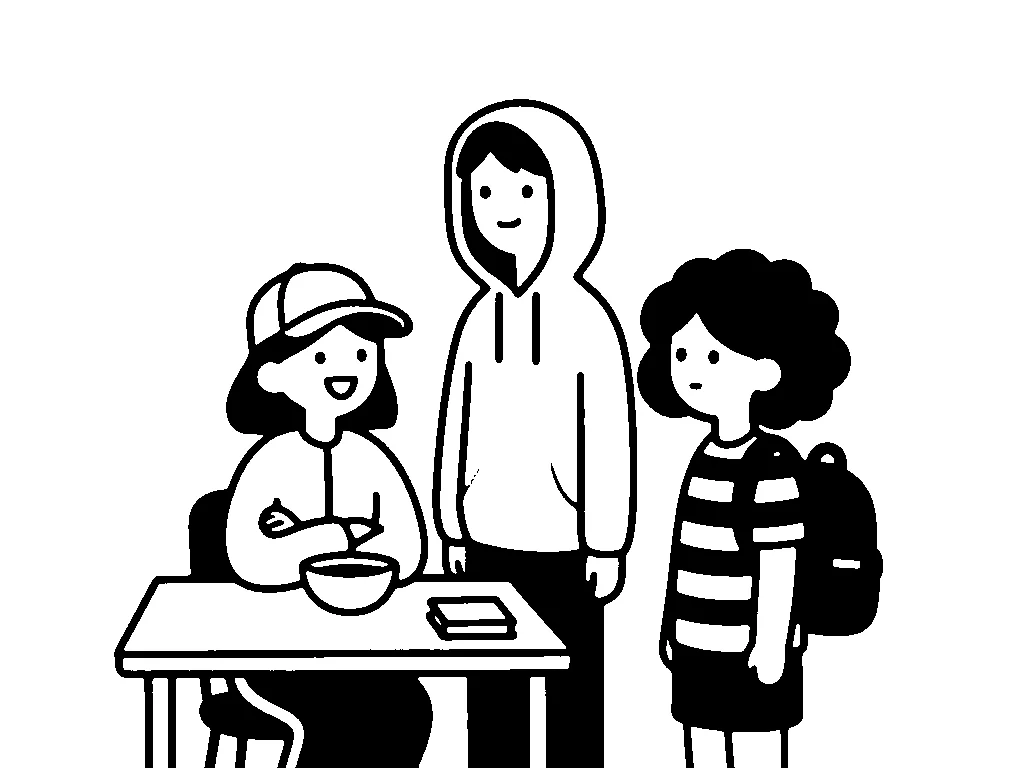
Who is in it
- Mia 米亚 Mǐyà
- Fei 林飞 Lín Fēi
- Grandma 奶奶 nǎinai
New words
- 优秀 yōuxiù outstanding, excellent
- 合格 hégé up to standard; to pass
- 标准 biāozhǔn standard; up to standard
- 基础 jīchǔ foundation, basis
- 知识 zhīshi knowledge
- 重点 zhòngdiǎn key point, focus
- 不仅 bùjǐn not only (不仅……而且)
- 并且 bìngqiě and also, moreover (joins clauses)
The story
In a university corridor, result day
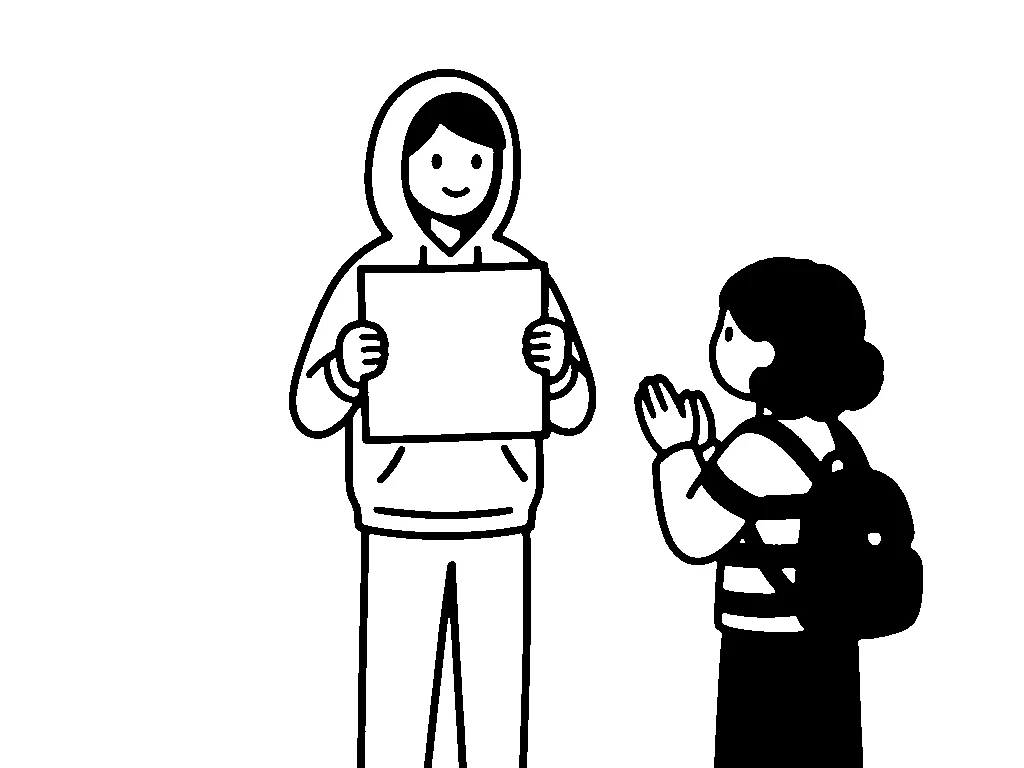
- Mia 林飞,做菜考试的结果出来了吗?
- Fei 不仅合格,而且很优秀!
- Mia 太好了!我准备了两个句子,现在只用一个。
- Fei 第二个句子是什么?
- Mia “下次一定能合格。”
- Fei 你总是准备得很好。
- Mia 考试的标准是什么?
- Fei 是奶奶,并且她很严格。
- Mia 奶奶不是老师呀。
- Fei 对,可是她比老师严格。
In the restaurant dining room, after the exam
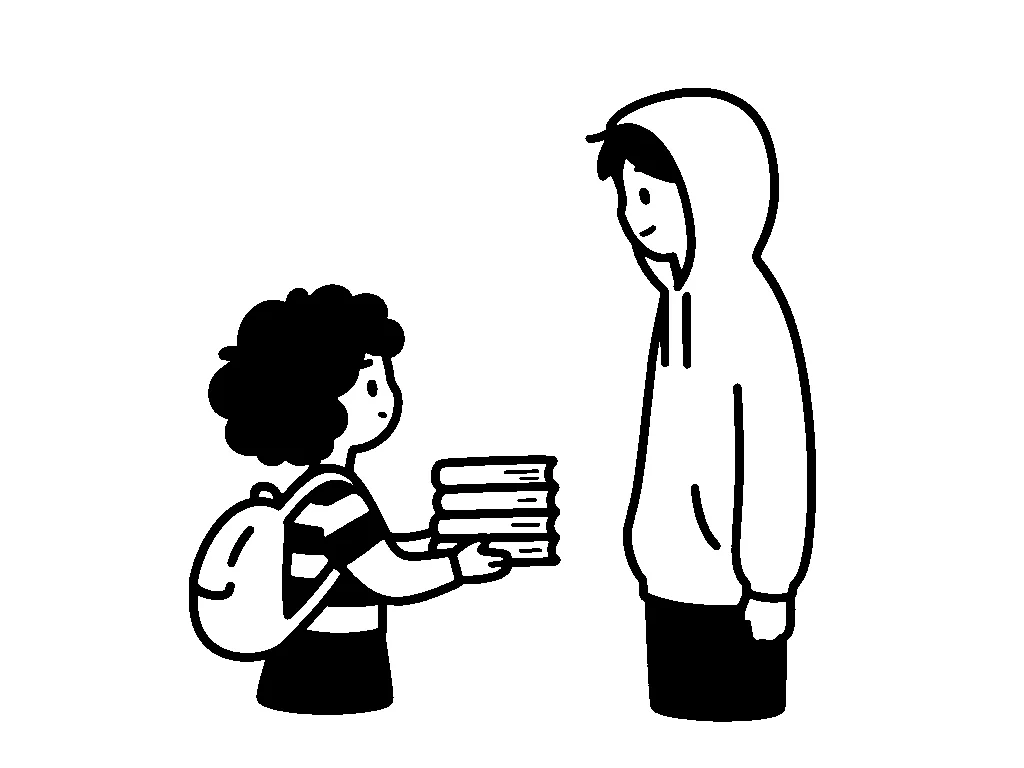
- Mia 我给你借了三本书,书里有很多做菜的知识。
- Fei 谢谢。可是我的基础不在书里。
- Mia 在哪儿?
- Fei 在这个饭店里。我在这儿吃了二十年。
- Mia 二十年?你不但会吃,而且会做!
- Fei 做菜的重点是盐。奶奶说,盐多了不行,少了也不行。
- Mia 这三本书呢?
- Fei 书我晚上看。现在我不仅饿,而且渴。
- Mia 我带了水,也带了饼干!
In the kitchen at home, soup on the table
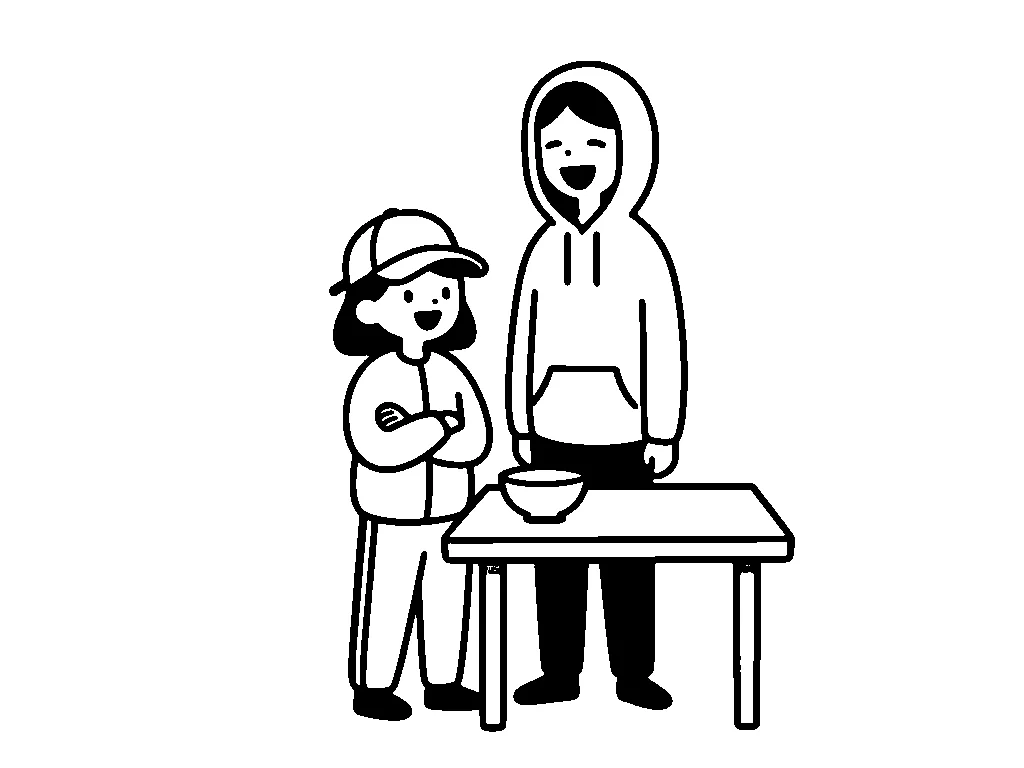
- Fei 奶奶,您尝尝这个汤。
- Grandma 先让我看看。我的标准很严格。
- Mia 我带了笔记本,您可以写下结果。
- Grandma 不写了。盐……不多也不少。合格。
- Fei 只是合格?老师说不仅合格,而且很优秀!
- Grandma 老师是老师。合格的汤,我只喝一碗。
- Fei 好的,一碗。
- Grandma 再给我一碗。
- Mia 奶奶,这是第二碗了。
- Grandma 好吧,这是优秀的汤。
Mia's notebook, that night
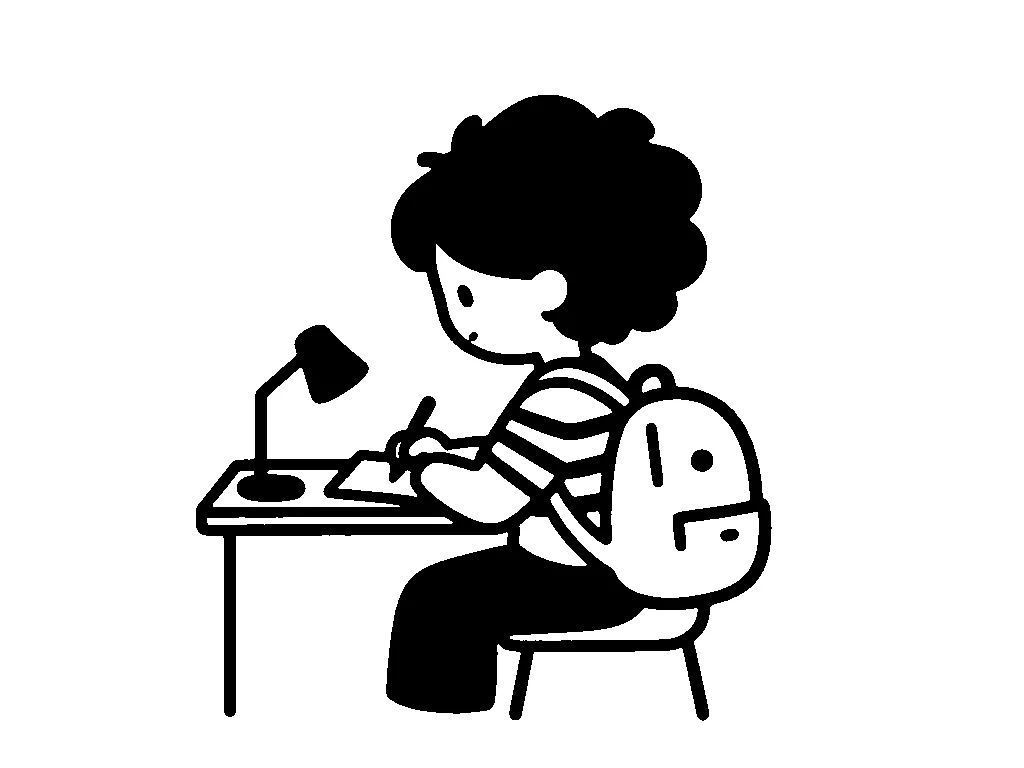
- 林飞的做菜考试结果出来了。
- 不仅合格,而且很优秀!
- 他的标准是奶奶,她比老师更严格。
- 他的基础在饭店里:他从小就在那儿吃饭。
- 重点是盐:多了太咸,少了没有味道。
- 他做菜的知识不多,但是基础很好。
- 我给他借了三本书,他说晚上再看。
- 奶奶尝了汤,说:“合格。”
- 她还说:“合格的汤,我只喝一碗。”
- 可是她喝了两碗。
- 我觉得,这个汤很优秀。
- 我问他:“你害怕奶奶的标准吗?”
- 他说:“有一点儿,可是我更想听她说‘优秀’。”
- 奶奶的标准不仅严格,而且很清楚。
- 晚上,林飞问:“明天吃什么?”
Grammar
不仅 A,而且/还/也 B;A,并且 B
不仅 is the written form of 不但 (which you know). 不仅 A,而且/还/也 B means 'not only A, but also B'. With one subject, put it before 不仅. With two subjects, put 不仅 before the first subject; the second subject comes before 也 or 还, or right after 而且. 并且 joins two verb phrases or clauses: 'and also'. It needs no 不仅 before it.
- 他不仅合格,而且很优秀。
- 这个菜不仅好吃,还很便宜。
- 奶奶尝了汤,并且喝了两碗。
- 不仅林飞很饿,米亚也很饿。
Characters
- 础 石 (stone) is the meaning part: a foundation stone is what a house stands on. 出 gives the sound. In 基础, 基 and 础 both mean 'foundation'.
- 标 木 (wood) is the meaning part: a marker or post was once made of wood. The right part 示 replaces 票 of the old form 標, which gave the sound. A 标准 is the mark you measure against.
A saying
日积月累 Literally: 'days pile up, months pile up'. People mean that a skill or a good foundation comes from small things added little by little over a long time, like twenty years of eating in the same restaurant.
What you will be able to say
The lesson ends with a talk. Tell Xiaolu about an exam result: say how you did with 不仅……而且……, say what the standard or key point was, and add one more thing with 并且.
- I can say how I did with 不仅……而且……: not only A, but also B. 我不仅合格,而且很优秀。
- I can join two actions with 并且: and also. 奶奶尝了汤,并且喝了两碗。
- I can say what the standard is: 标准. 奶奶的标准很严格。
- I can name the key point of something: 重点. 做菜的重点是盐。
- I can talk about my foundation: 基础. 我的汉语基础不太好。
The closing talk needs an account. On the free plan, the first lesson talk you take in each level is free; Plus and Ultimate use the month's Talk minutes.
This lesson is in Plus. Start this lesson