HSK 4 · Lesson 55 · The Great Wall and the Yangtze
The Great Wall is among the world's top sights 长城是世界上最有名的地方之一。
Each lesson is a short story in Mandarin with pictures and audio, the words and grammar it uses, and a talk with Xiaolu at the end. All of HSK 1 is free.
This lesson is in Plus. Start this lesson
- About 28 minutes
- 8 new words
- 2 grammar points
- A 3 to 5 minute talk with Xiaolu at the end
Who is in it
- Mia 米亚 Mǐyà
- Grandma 奶奶 nǎinai
- Mr Lin 林先生 Lín xiānsheng
New words
- 首都 shǒudū capital (city)
- 省 shěng province; to save
- 长城 chángchéng the Great Wall
- 长江 chángjiāng the Yangtze River
- 座 zuò 座 (measure word for large fixed things: 一座桥)
- 桥 qiáo bridge
- 美丽 měilì beautiful
- 之 zhī 之 (formal 的: 之一, 百分之)
The story
At the Great Wall

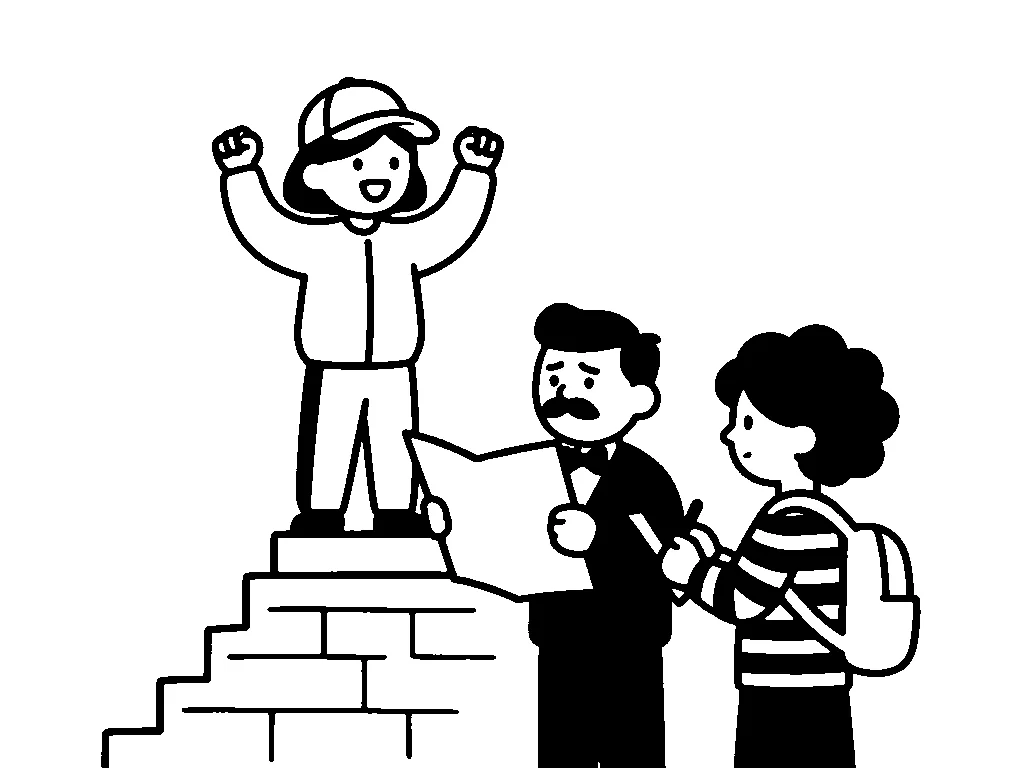
- Grandma 你们快一点儿!其他人都还在后面。
- Mr Lin 妈妈,等一下!我在看地图。
- Mia 林先生,地图又看错了。
- Mr Lin 没关系,我知道路。
- Grandma 长城是世界上最有名的地方之一,别看地图了!
- Mia 长城、长江、黄河等,我都写在笔记本上了。
- Grandma 笔记本是对的,地图是错的,我是第一个!走吧!
Lost on a street in the capital
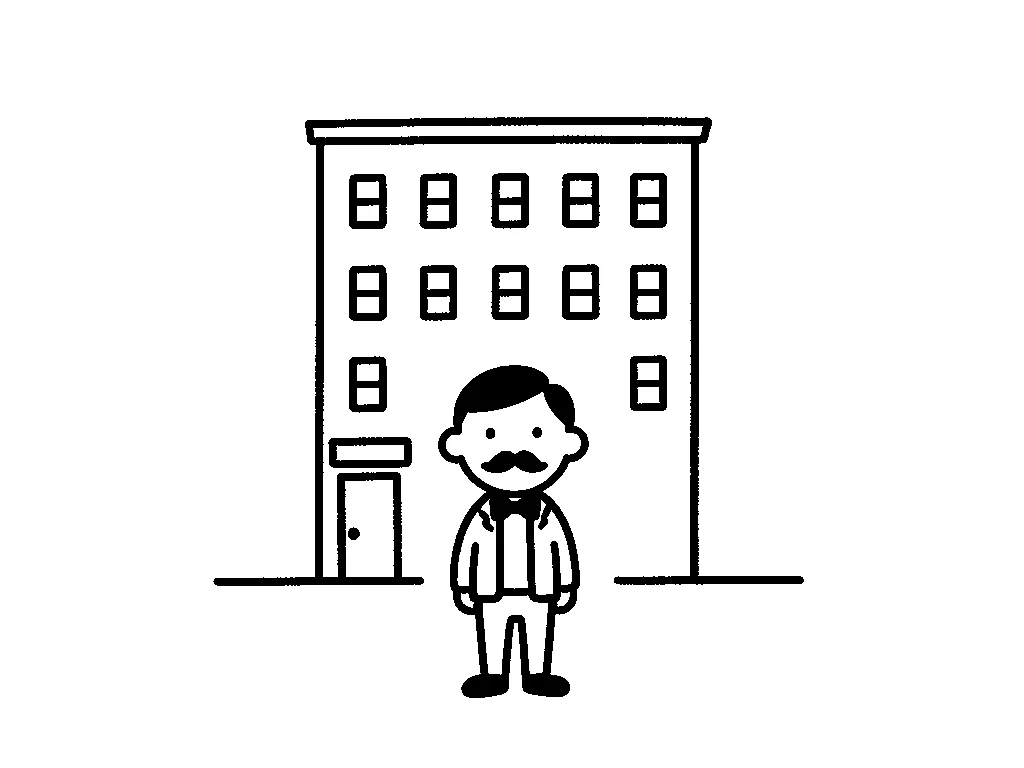
- Mr Lin 这是首都,这里的路我很熟悉!
- Mia 可是这条路,我们已经走过两次了。
- Mr Lin 是吗?那是因为首都太大了。
- Grandma 这座楼我也看见过两次,我记得。
- Mia 这条街道很美丽,是首都最美丽的地方之一。
- Mr Lin 你看,转错了也很好。
- Grandma 你每走错一次,我们就多看到一座漂亮的楼。
- Mr Lin 对!地图看错了,路走错了,首都也很美丽!
At the hotel in the evening
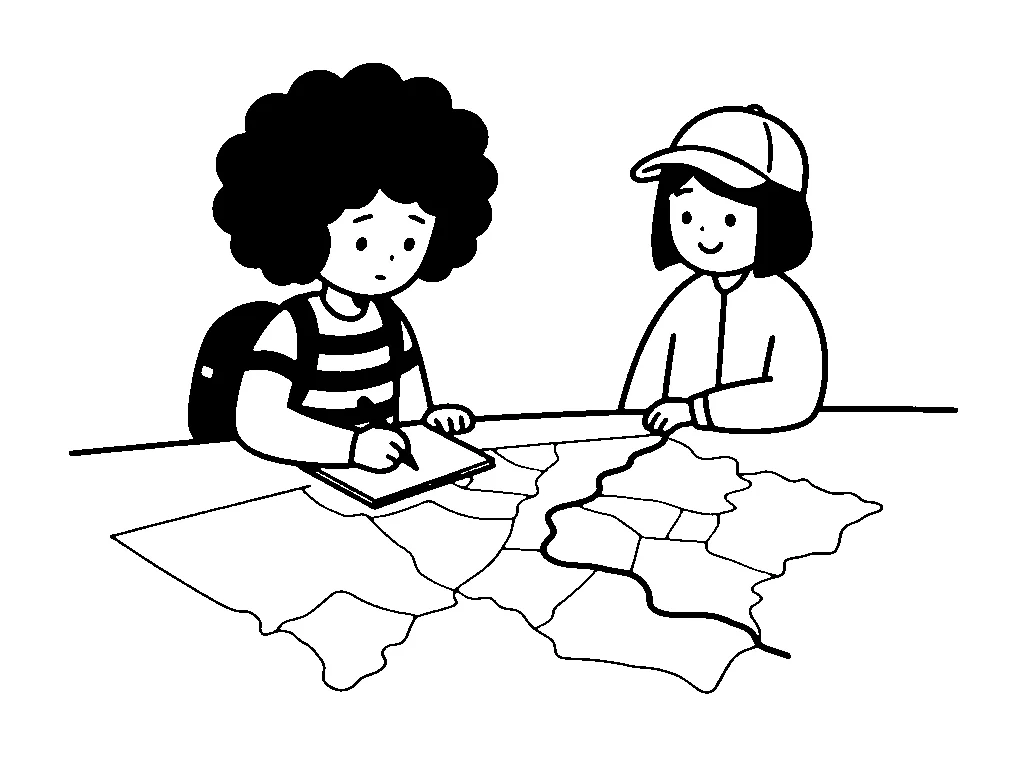
- Mia 我的笔记本上写着:今天,长江上的桥。
- Mr Lin 今天?今天我们在首都呢。
- Mia 对不起,桥应该写在明天。
- Grandma 这座桥呢?它在哪个省?
- Mia 长江经过许多省,我再找找。
- Mr Lin 我也有地图!这次我看对了。
- Mia 那你别再看错了。
- Grandma 长江上的桥也很美丽,明天我要第一个到!
Mia's notebook

- 今天我们去了长城。
- 长城很长,路上有很多人,也有很多树。
- 奶奶第一个走到最高的地方,其他人都在后面。
- 林先生一边看地图,一边说他知道路。
- 林先生又看错了地图,路也走错了。
- 奶奶笑着说,地图看错了,路也一定是错的。
- 可是首都很美丽,长城真的很有名。
- 晚上在宾馆,我发现笔记本上写错了。
- 我的笔记本上,长江上的桥写在今天。
- 其实桥是明天的。
- 明天我们去看那座桥,奶奶说她还要第一个到。
- 今天的路不对,可是每一条路都很美丽。
Grammar
A、B、C等 ; N + 之一
等 closes a list: 长城、长江、黄河等 means 'the Great Wall, the Yangtze, the Yellow River and so on'. 之 is the written 的, so 之一 after a noun means 'one of': 世界上最有名的地方之一, 'one of the most famous places in the world'. 之一 always comes last in its phrase.
- 长城是世界上最有名的地方之一。
- 这条街道是首都最美丽的地方之一。
- 长城、长江、黄河等,我都写在笔记本上了。
Number / 这 / 那 + 座 + bridge, building
Review first: 个 for people, 条 for roads, 辆 for bikes. 座 is the measure word for large fixed things, such as a bridge or a building: 一座桥, 一座楼, 这座桥, 那座楼. After 两 it stays 座: 两座楼.
- 这座桥呢?
- 这座楼我也看见过两次。
- 我们明天去看那座桥。
- 我们多看到一座漂亮的楼。
Characters
- 江 The water radical on the left shows that 江 is a river. 工 on the right only hints at the sound. Many river names carry the water radical.
- 桥 木 on the left is the meaning: the first bridges were wooden. 乔 on the right hints at the sound. Many wooden things carry 木.
A saying
千里之行,始于足下 'A journey of a thousand li begins under your feet.' A li is an old Chinese distance, about half a kilometre. People mean that every long journey starts with one small step, so just begin, even if the road (or the Great Wall) looks very long.
What you will be able to say
The lesson ends with a talk. Help Xiaolu plan a trip: say that a place is one of the most famous, name a few places in a list, and say what is beautiful there.
- I can say a place is one of the most famous, using 之一. 长城是世界上最有名的地方之一。
- I can close a list of places with 等. 长城、长江、黄河等,我都想去。
- I can talk about the capital city (首都). 北京是中国的首都。
- I can use 座 for a bridge or a building. 长江上有一座很长的桥。
- I can say a place is beautiful (美丽). 长江上的桥很美丽。
The closing talk needs an account. On the free plan, the first lesson talk you take in each level is free; Plus and Ultimate use the month's Talk minutes.
This lesson is in Plus. Start this lesson