HSK 4 · Lesson 22 · The weekend waiter
The new colleague is quite the joker! 新同事挺幽默的!
Each lesson is a short story in Mandarin with pictures and audio, the words and grammar it uses, and a talk with Xiaolu at the end. All of HSK 1 is free.
This lesson is in Plus. Start this lesson
- About 27 minutes
- 8 new words
- 1 grammar point
- A 3 to 5 minute talk with Xiaolu at the end
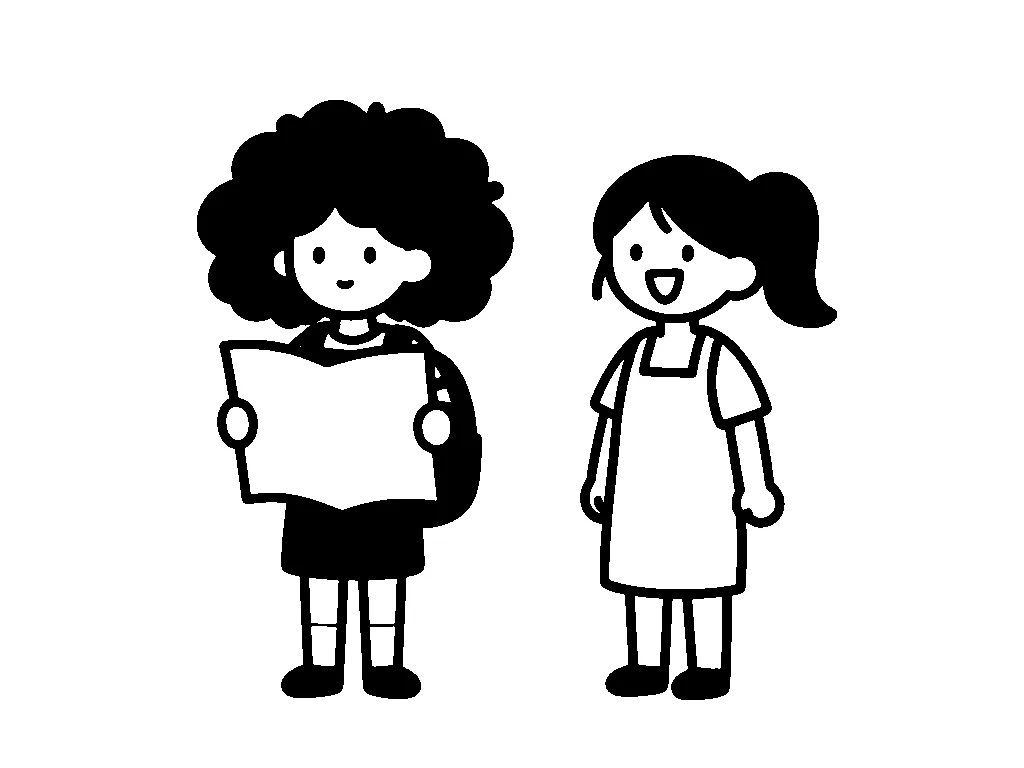
Who is in it
- Mia 米亚 Mǐyà
- Fei 林飞 Lín Fēi
- Xiao Zhou 小周 Xiǎo Zhōu
New words
- 随便 suíbiàn as one pleases; casual, easy-going
- 熟悉 shúxī to be familiar with
- 适应 shìyìng to adapt to, get used to
- 活泼 huópo lively (of a person)
- 幽默 yōumò humorous; humour
- 性格 xìnggé personality, character
- 挺 tǐng quite (挺……的)
- 开玩笑 kāiwánxiào to joke, kid
The story
At the restaurant, before opening on Saturday
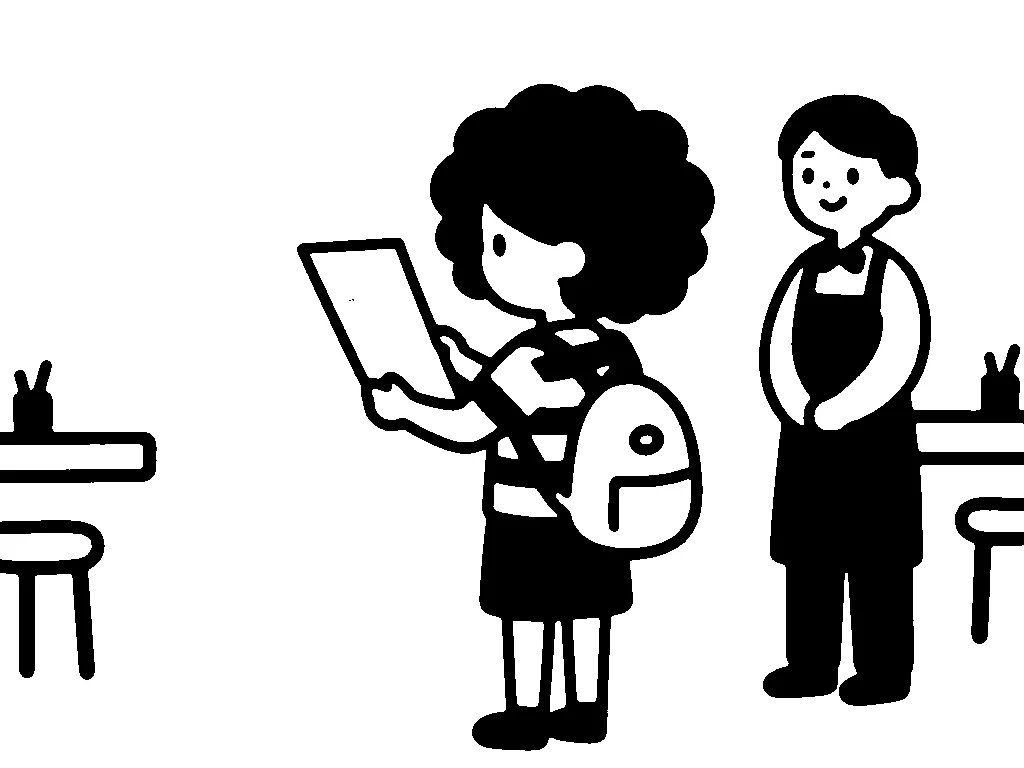
- Mia 你今天第一次上班,我昨天晚上把三张地图发给你了。
- Xiao Zhou 地图?我不用,我随便走走,很快就熟悉了。
- Mia 这里有二十张桌子,第一次上班需要时间适应。
- Xiao Zhou 放心,我适应得很快。不过是二十张桌子,不难。
- Mia 菜单呢?你知道哪个菜最贵吗?
- Xiao Zhou 不知道。客人问,我就说,什么都可以!
- Mia 你先拿着菜单,需要的时候看看。
- Xiao Zhou 好,谢谢!我先放在包里。
- Mia 不客气。你有问题,就来找我。
In the kitchen, a little later
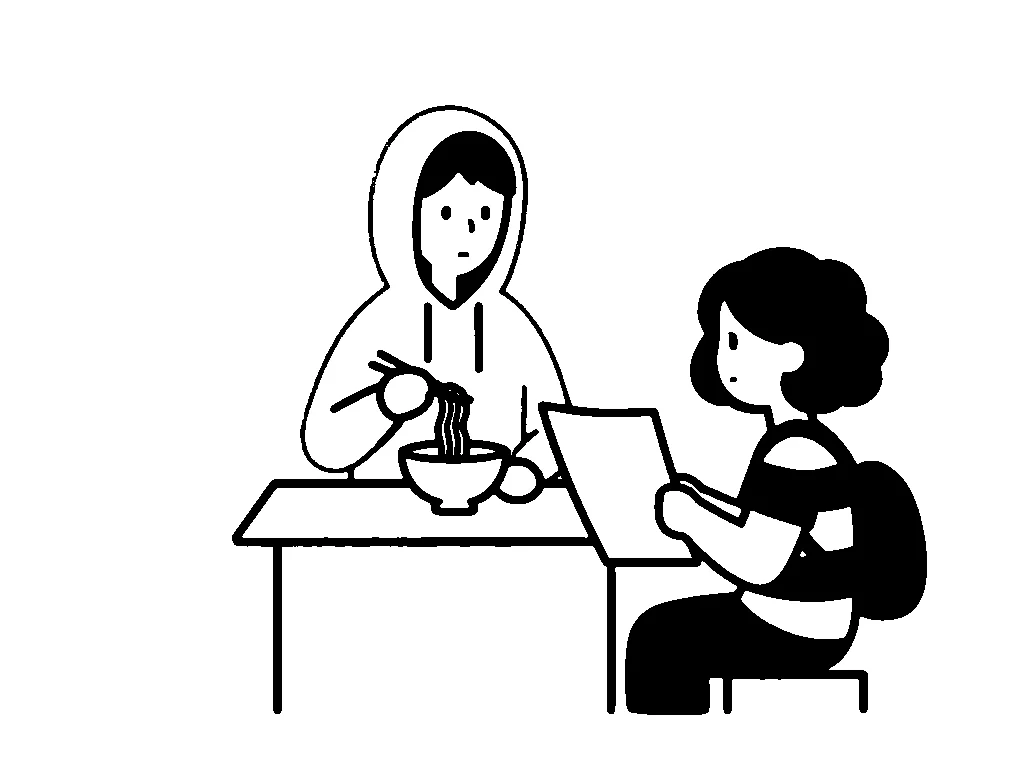
- Fei 新同事挺幽默的!
- Mia 是吗?她的性格怎么样?
- Fei 挺活泼的,喜欢开玩笑。
- Mia 开玩笑?她说什么了?
- Fei 她看了你的地图,问:“第四张在那个包里吗?”
- Mia 没有第四张!我只做了三张。她还说要换菜单!
- Fei 她喜欢开玩笑,你别太担心。
- Mia 也许不过是开玩笑的,可是我还不熟悉她。
- Fei 来,先坐下,休息一会儿再说。
On the restaurant floor at lunchtime
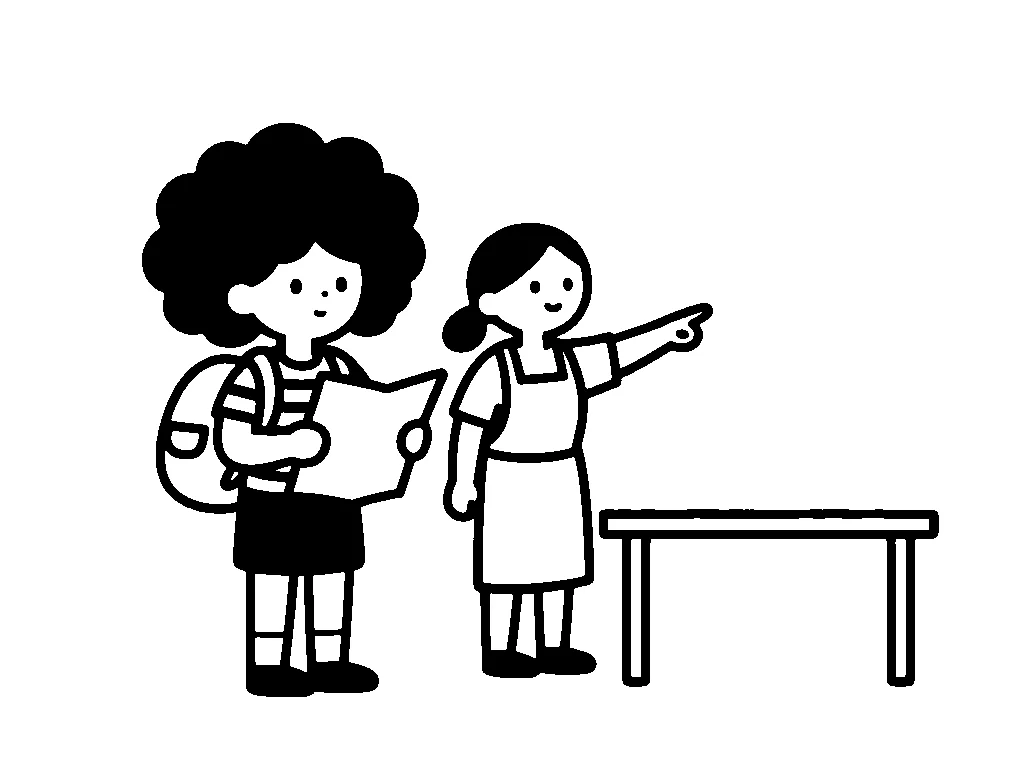
- Mia 有客人要坐窗户旁边的座位,你知道在哪儿吗?
- Xiao Zhou 知道,在右边,第三张桌子。
- Mia 你不是说不用地图吗?
- Xiao Zhou 我在地铁上看了三次。
- Mia 你为什么说你只是随便走走?
- Xiao Zhou 不过是开玩笑的。你准备了三张地图,我想让你笑一笑。
- Mia 你的性格真活泼,我要慢慢适应。
- Fei 你们笑什么?客人的面条要冷了!
- Xiao Zhou 快拿去!别在路上吃了!
- Mia 我准备了三张地图,今天笑了三次。
Mia's notebook, Saturday night

- 今天是小周第一次来饭店上班。
- 她的性格很活泼,也非常幽默,喜欢开玩笑。
- 我昨天晚上发给她三张地图,她说不用,想随便走走。
- 我有点儿担心,因为她还不熟悉这里。
- 不过,中午她很快就找到了窗户旁边的座位。
- 原来她在地铁上看了三次地图!
- 她还笑着问林飞,第四张地图是不是在那个包里。
- 她说,开玩笑是最好的办法,可以很快适应新环境。
- 林飞也说,新同事挺幽默的。
- 我准备了三张地图,今天笑了三次,我很开心。
Grammar
S + 挺 + Adj + 的
挺 + adjective + 的 means 'quite, pretty': 新同事挺幽默的. It is spoken and friendly, about as strong as 很 but more casual, and weaker than 非常. Put 挺 before the adjective and end the sentence with 的. Compare HSK 2's 真, 非常 and 最, which take no 的.
- 新同事挺幽默的。
- 她的性格挺活泼的。
- 这个饭店挺大的。
- 小周挺喜欢开玩笑的。
Characters
- 活 Water on the left: a lively person is like running water, never still. 舌 on the right is the sound part, a loose hint. The same 活 is in 生活 and 活泼.
- 性 The heart radical on the left is for the meaning: your character comes from the heart. 生 on the right gives the sound, and 性 sounds close to 生. Put 格 after it and you have 性格, 'personality'.
A saying
入乡随俗 Literally 'enter a village, follow its customs'. When you arrive somewhere new, do as the people there do. People say it about getting used to a new place, a new job or new colleagues, as the new waitress does on her first day.
What you will be able to say
The lesson ends with a talk. A new waitress has joined the restaurant where Xiaolu works. Tell Xiaolu what she is like: use 挺……的, talk about her personality and her jokes, and say how you are getting used to her.
- I can say someone or something is 'quite' good, funny or big with 挺……的. 新同事挺幽默的。
- I can talk about someone's personality with 性格. 她的性格挺活泼的。
- I can say someone likes to joke with 开玩笑. 她喜欢开玩笑。
- I can say I am getting used to something new with 适应. 我很快就适应了。
- I can say that anything is fine, or tell someone to do as they like, with 随便. 随便,什么都可以。
The closing talk needs an account. On the free plan, the first lesson talk you take in each level is free; Plus and Ultimate use the month's Talk minutes.
This lesson is in Plus. Start this lesson