HSK 4 · Lesson 18 · The manager's business trip
There's still time, don't panic! 还来得及,别着急!
Each lesson is a short story in Mandarin with pictures and audio, the words and grammar it uses, and a talk with Xiaolu at the end. All of HSK 1 is free.
This lesson is in Plus. Start this lesson
- About 28 minutes
- 7 new words
- 1 grammar point
- A 3 to 5 minute talk with Xiaolu at the end
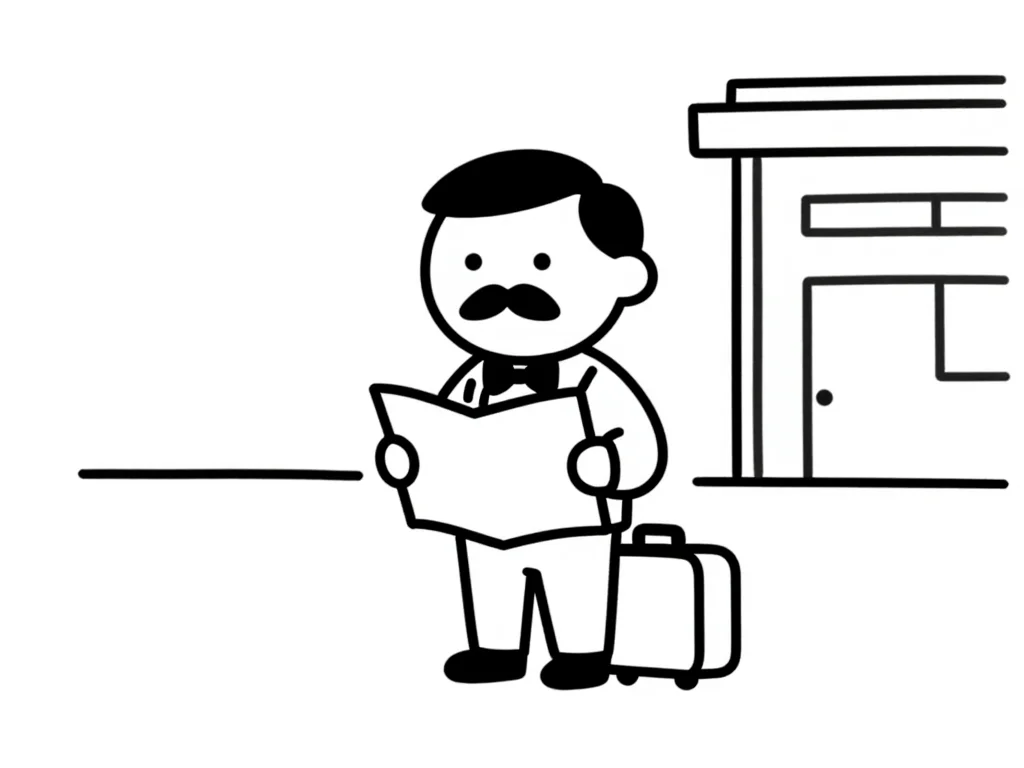
Who is in it
- Mr Lin 林先生 Lín xiānsheng
- Dr Bai 白医生 Bái yīshēng
- An'an 安安 Ān'ān
- Taxi driver 司机
New words
- 出差 chūchāi to go on a business trip
- 出发 chūfā to set off, depart
- 推迟 tuīchí to postpone
- 提前 tíqián ahead of time, in advance
- 准时 zhǔnshí punctual, on time
- 来得及 láidejí there's still time to
- 来不及 láibují too late to, no time to
The story
At home, early in the morning
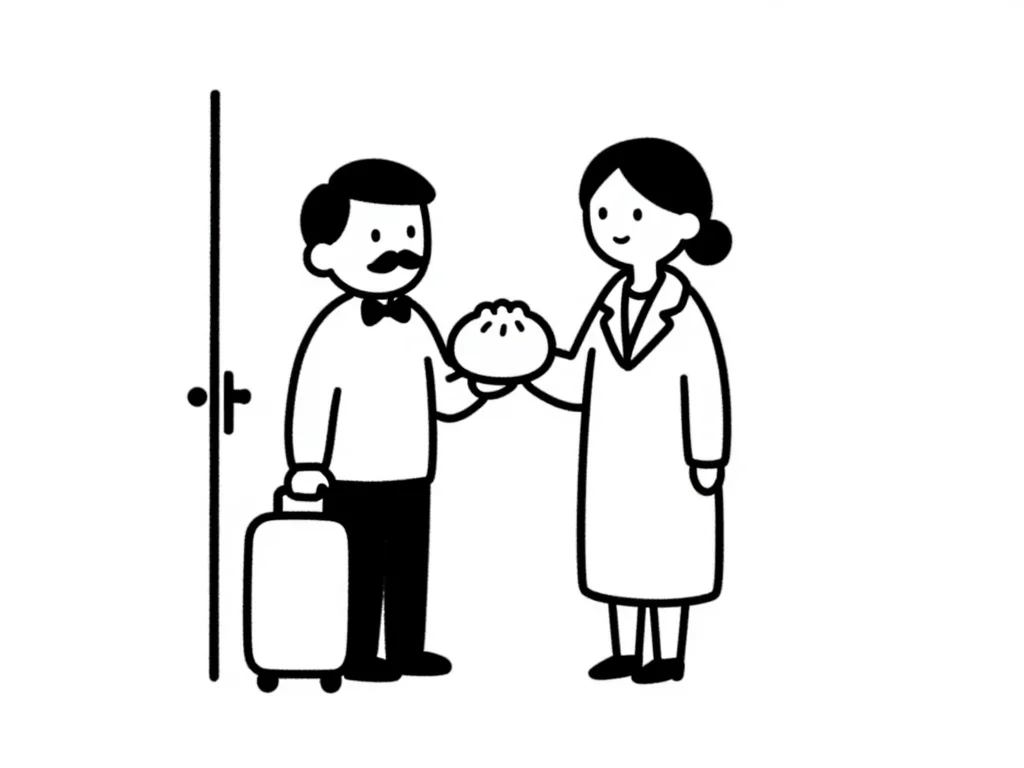
- Dr Bai 你的火车几点出发?
- Mr Lin 八点。我要去北京出差。
- Dr Bai 现在才五点半,火车八点才出发。
- Mr Lin 我提前出发,才能准时到火车站。
- Dr Bai 我给你准备了两个包子,路上吃。
- Mr Lin 两个?我吃不了两个。
- Dr Bai 好,你拿一个。你的行李箱呢?
- Mr Lin 在门旁边。放心,我知道路,走路去火车站。
- Dr Bai 那次你去机场,也说你知道路。
- Mr Lin 这次不一样!我走了,再见!
On the phone, from a street corner
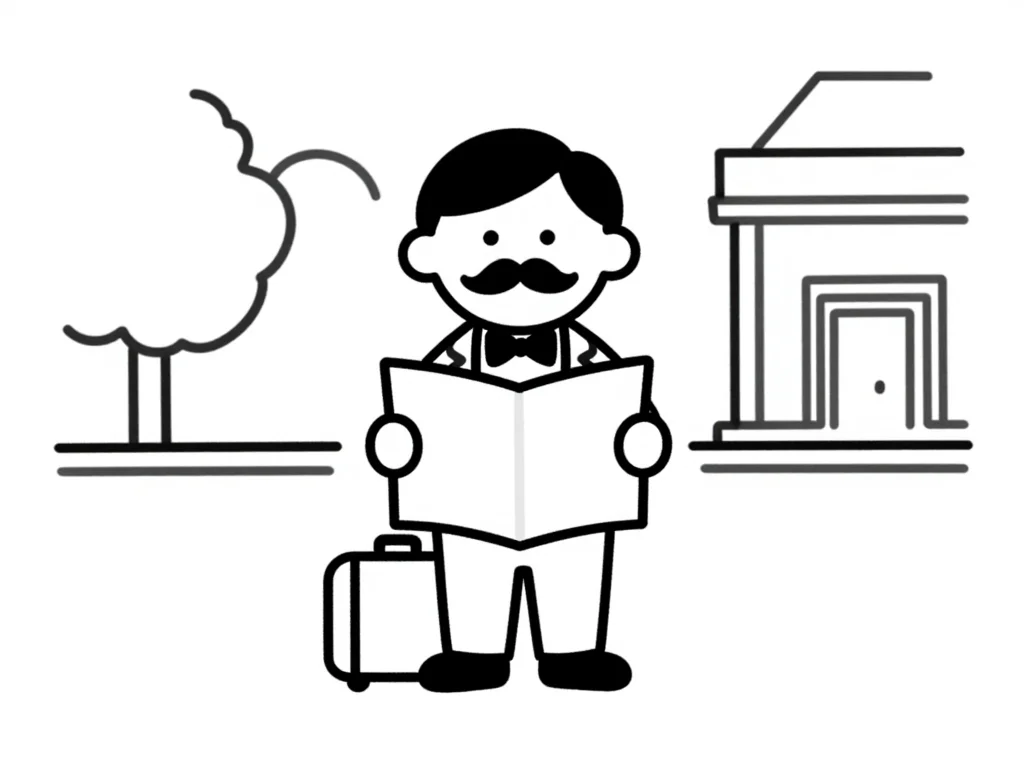
- Dr Bai 喂,你到火车站了吗?
- Mr Lin 还没有。我找不到火车站!
- Dr Bai 你五点半就出发了,为什么还在路上?
- Mr Lin 地图是错的!这条路我认识,火车站不在这儿。
- Dr Bai 你旁边有什么?
- Mr Lin 有一个公园,还有银行。我没看见火车站。
- Dr Bai 还来得及,别着急!现在才七点半。
- Mr Lin 来不及了,火车八点出发!
- Dr Bai 你别走路了,坐出租车去。
- Mr Lin 好,我找一辆出租车。
In a taxi, then at the station
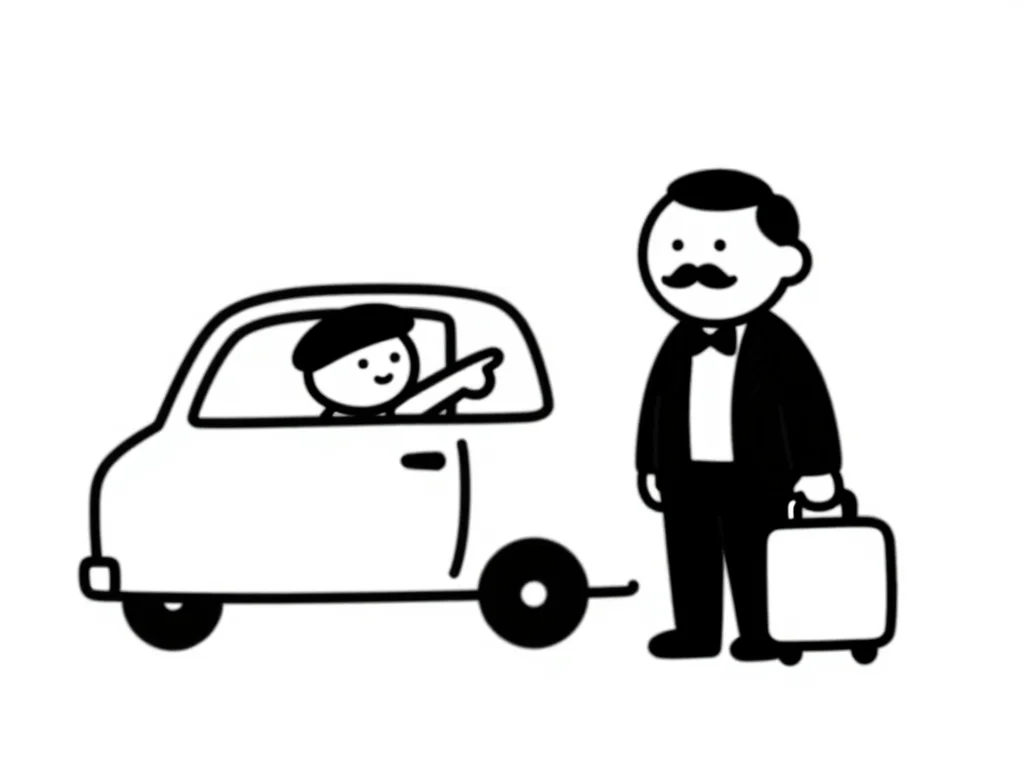
- Taxi driver 您好,去哪儿?
- Mr Lin 火车站!我等了二十五分钟才等到您,请快一点儿!
- Taxi driver 火车站就在银行后面,走路两分钟。
- Mr Lin 两分钟?我走了两个小时!
- Taxi driver 到了,您看,火车站就在那儿。
- Mr Lin 谢谢师傅!现在八点了,来不及了!
- Dr Bai 喂,是我。别着急,你的火车推迟了十分钟。
- Mr Lin 推迟了?我是准时到的!
- Dr Bai 对。路上小心,到了给我打电话。
An'an's notebook
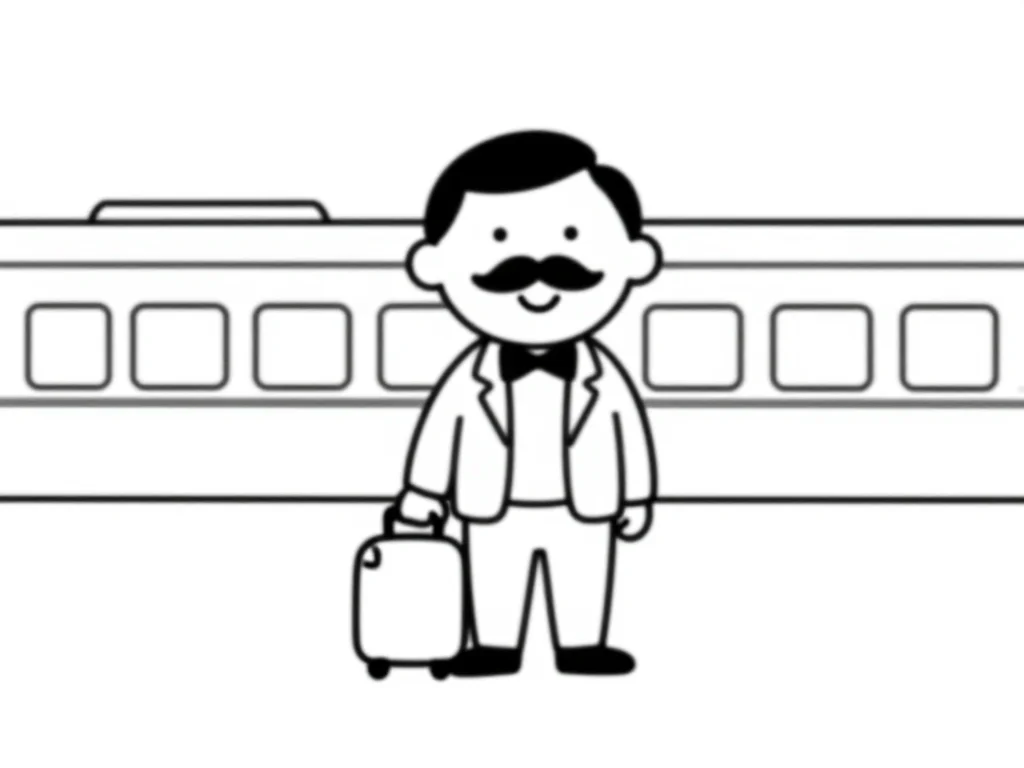
- 今天早上五点半,爸爸就出发去北京出差了。
- 他的火车八点出发,所以他想提前到火车站。
- 他说他知道路,所以走路去。
- 可是他走了两个小时,还没找到火车站。
- 妈妈在电话里说:“还来得及,别着急!”
- 爸爸说:“来不及了,火车八点出发!”
- 后来他坐了出租车,司机说火车站就在银行后面。
- 原来走路两分钟就到了,可是他走了两个小时!
- 他到火车站的时候,已经八点了。
- 可是火车推迟了十分钟,他准时到了!
- 妈妈笑着说,爸爸今天走了很多路。
- 我觉得爸爸应该提前三个小时出发。
Grammar
来得及 / 来不及 (+ V); V + 得了 / 不了
来得及 means there is still time to do it; 来不及 means it is too late. The verb can follow: 来得及出发. The related 得了 / 不了 after a verb says you can or cannot manage it: 吃不了, 来不了. This 了 is not the 了 of 吃了. It extends 看得见 and 找不到, the potential complements you already know.
- 还来得及,别着急!
- 来不及了,火车八点出发!
- 来不了就打电话。
- 我吃不了两个包子。
Characters
- 推 The hand on the left shows the meaning: 推 is to push with your hand. 隹 on the right gives the sound. 推迟 pushes a time further away.
- 准 has the same 隹 as 推, so the two sound alike. On the left is a form of the ice/water part. 准时 means exactly on time.
A saying
千里之行,始于足下 Literally: a journey of a thousand li (a li is about half a kilometre) begins under your feet. People say it to mean that every big task starts with one small first step, like a long trip that starts at your own front door.
What you will be able to say
The lesson ends with a talk. Xiaolu is going on a business trip tomorrow and is worried about her train. Tell her there is still time or no time, say what you cannot manage, and give her advice about leaving early.
- I can say there is still time (来得及) or it is too late (来不及). 现在才七点,还来得及。
- I can say I cannot manage something with V + 不了. 我吃不了这些菜。
- I can talk about someone's business trip (出差). 你什么时候去出差?
- I can advise leaving ahead of time (提前). 你应该提前出发。
- I can say something has been postponed (推迟). 火车推迟了十分钟。
The closing talk needs an account. On the free plan, the first lesson talk you take in each level is free; Plus and Ultimate use the month's Talk minutes.
This lesson is in Plus. Start this lesson