HSK 4 · Lesson 3 · Searching the living room
I thought I'd lost my keys! 我以为钥匙丢了!
Each lesson is a short story in Mandarin with pictures and audio, the words and grammar it uses, and a talk with Xiaolu at the end. All of HSK 1 is free.
This lesson is in Plus. Start this lesson
- About 28 minutes
- 6 new words
- 2 grammar points
- A 3 to 5 minute talk with Xiaolu at the end
Who is in it
- Fei 林飞 Lín Fēi
- An'an 安安 Ān'ān
New words
- 以为 yǐwéi to think (mistakenly), assume
- 刚 gāng just now, only just (adverb)
- 钥匙 yàoshi key
- 丢 diū to lose (an object)
- 到处 dàochù everywhere (到处都)
- 镜子 jìngzi mirror
The story
In the living room, just after lunch
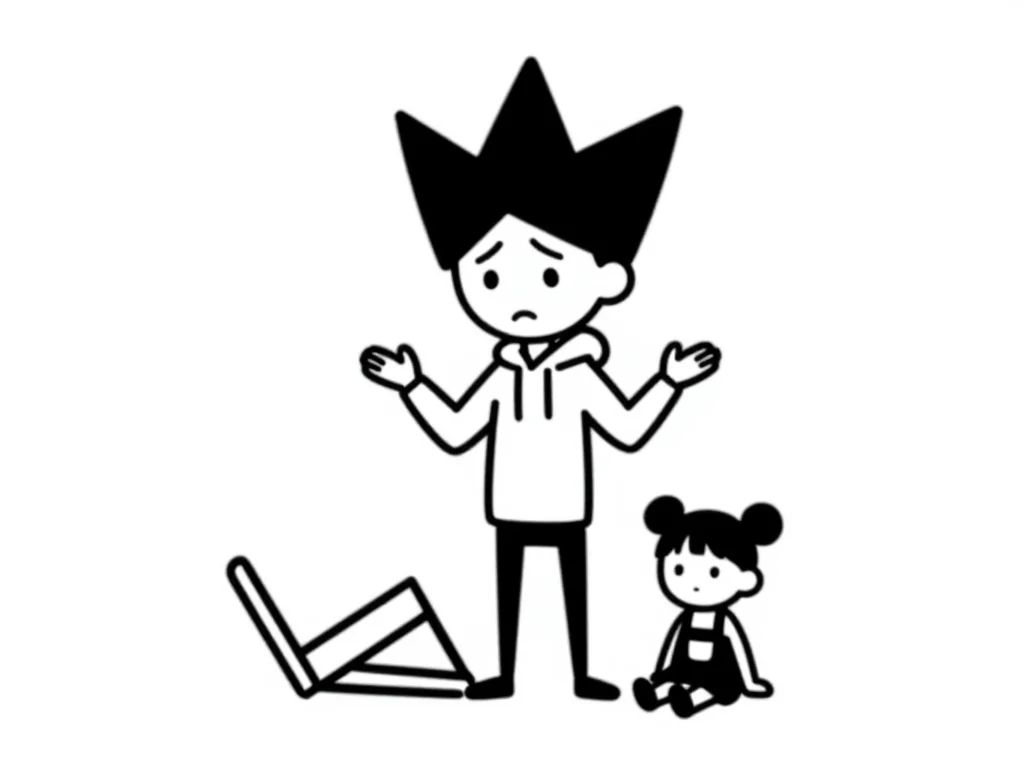
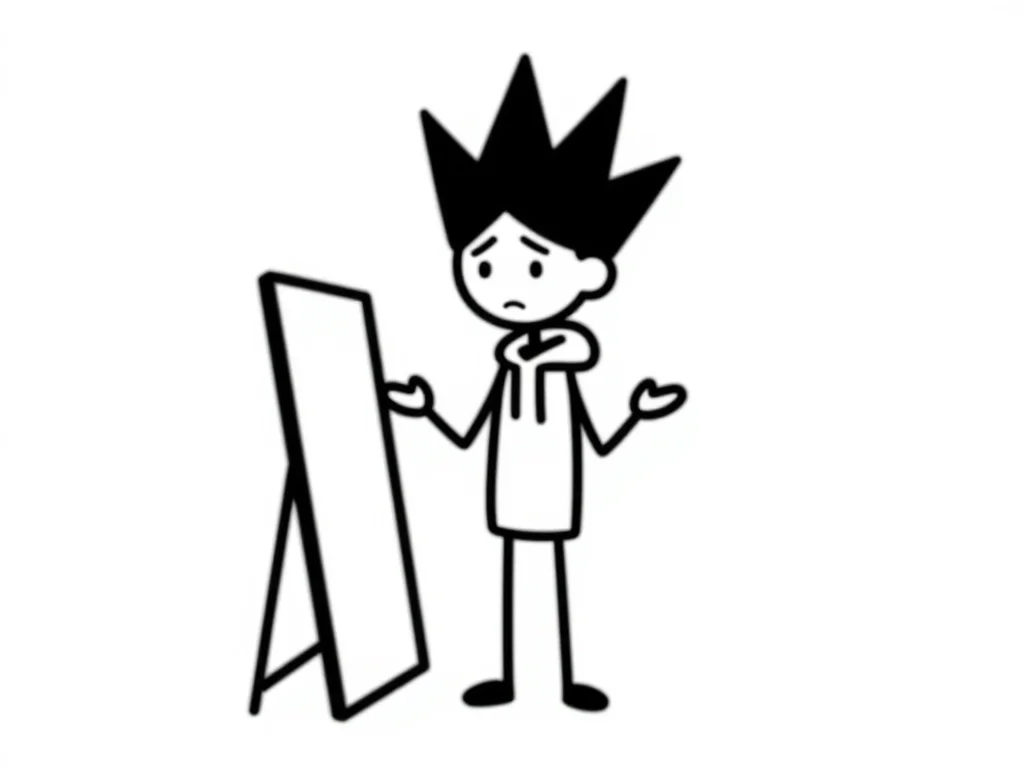
- Fei 不好了!我刚回来,钥匙就丢了!
- An'an 你刚才不是去吃饭了吗?
- Fei 是啊,我刚吃完就回来了,到处都没找到钥匙!
- An'an 你在哪儿找过?
- Fei 桌子上、椅子上、冰箱里,我都找过了。
- An'an 冰箱里?钥匙不吃东西!
- Fei 我找钥匙的时候,有点儿饿。
- An'an 先别吃!先找钥匙!
Behind the big mirror
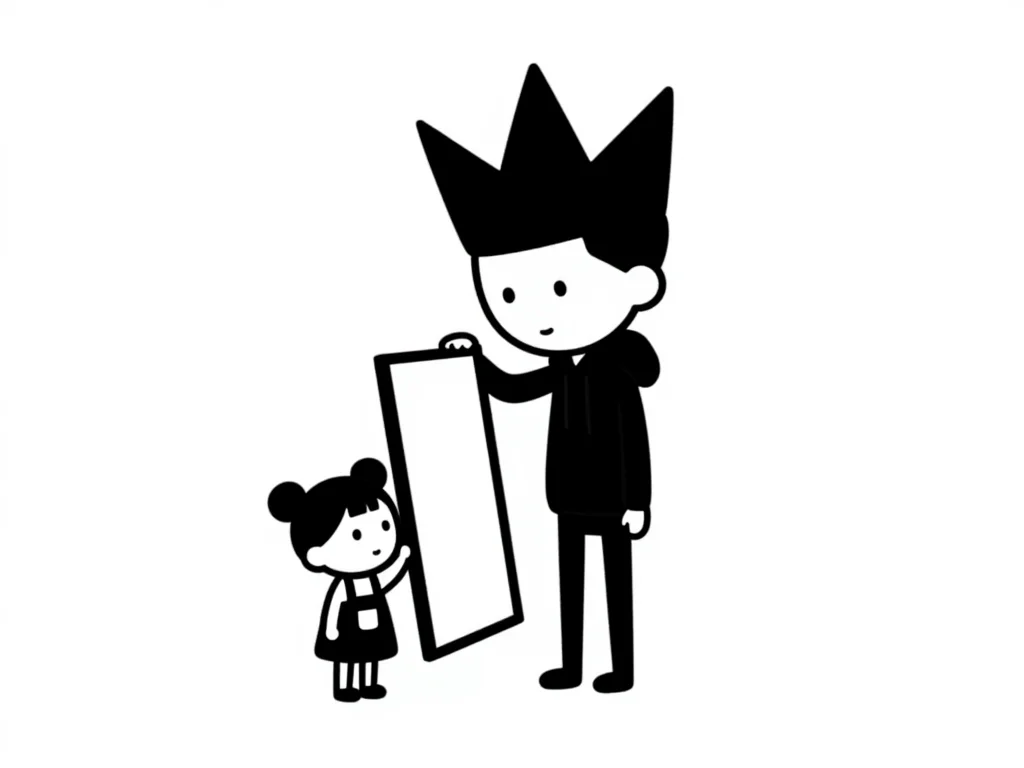
- Fei 我想到了!钥匙一定在镜子后面。
- An'an 镜子太大了,我来帮你。
- Fei 好!你拿左边,我拿右边。
- An'an 一,二,三!后面有什么?
- Fei 什么都没有。
- An'an 镜子里有一个人,也在找钥匙。
- Fei 那是我!
- An'an 我以为他在帮你找呢。
At the front door
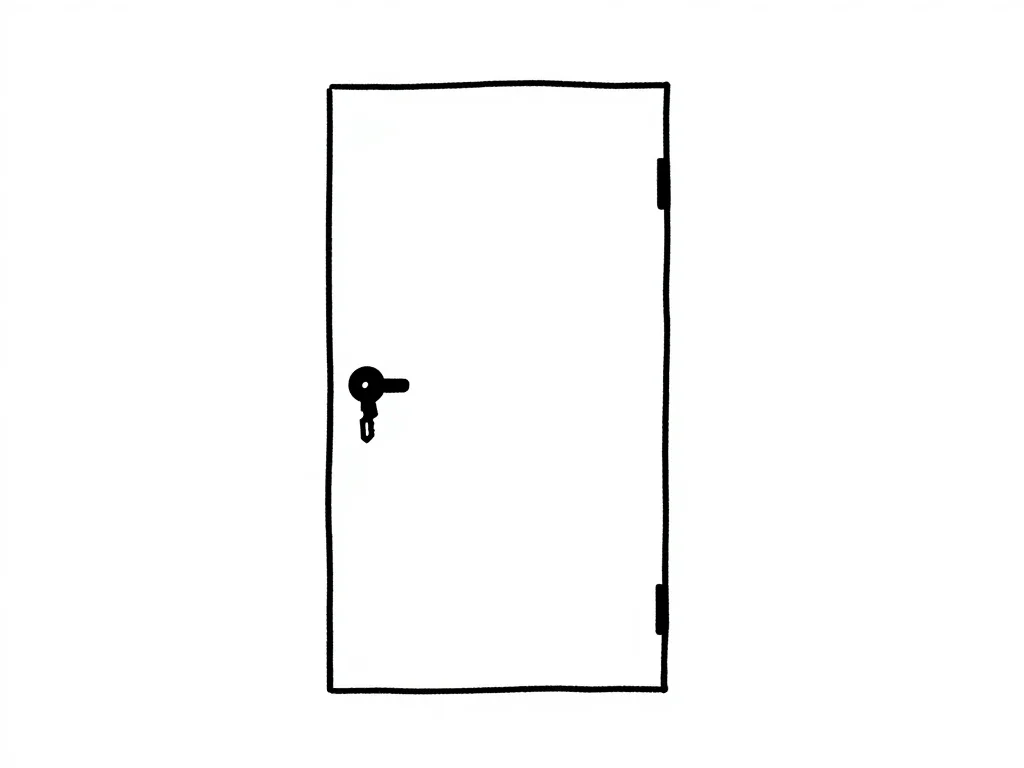
- Fei 镜子后面也没有!到处都没有,钥匙丢了!
- An'an 你刚才怎么进来的?
- Fei 我用钥匙开的门啊。
- An'an 钥匙呢?
- Fei 对啊,钥匙呢?
- An'an 钥匙在门上呀。
- Fei 我以为钥匙丢了!原来在门上。
- An'an 你刚回来,就找了半个小时。
- Fei 太累了,我又饿了。
- An'an 你不是刚吃完吗?好吧,冰箱里有苹果。
An'an's notebook
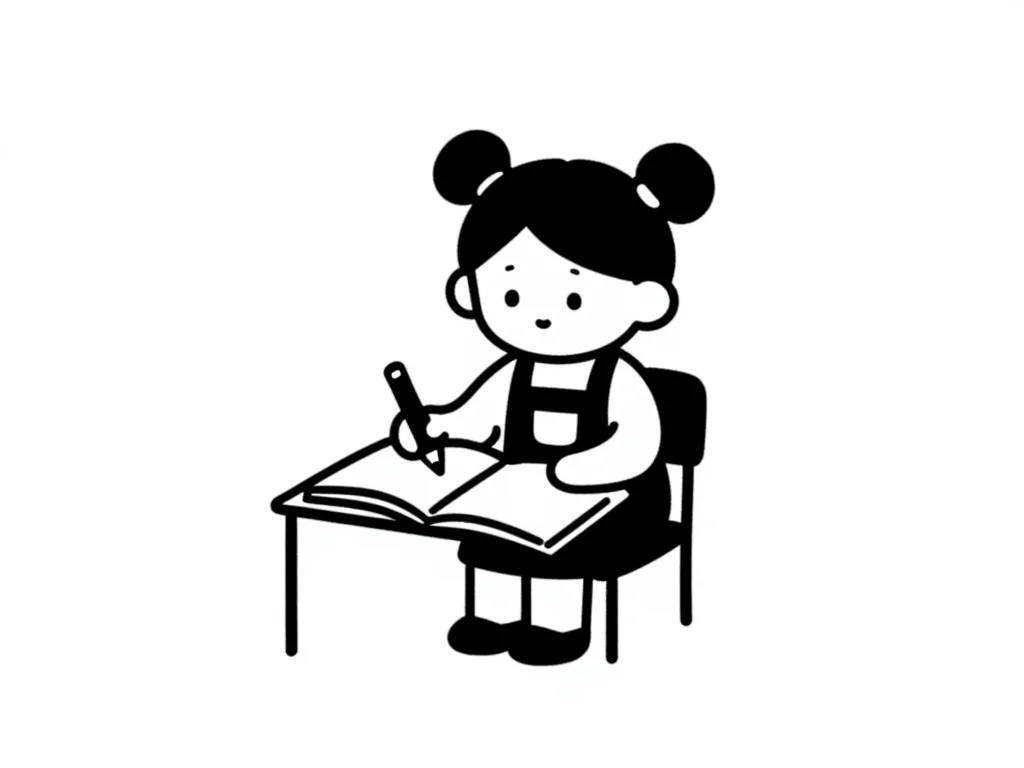
- 今天下午,哥哥说他的钥匙丢了。
- 他刚回来,就说到处都找不到钥匙。
- 他在桌子上找,在椅子上找,还在冰箱里找。
- 后来,他想到了镜子,说钥匙一定在镜子后面。
- 我们一起把镜子拿起来,后面什么都没有。
- 镜子里的人也在找钥匙,可是他一点儿都没帮哥哥。
- 最后我问:“你刚才怎么进来的?”
- 哥哥说:“我用钥匙开的门。”
- 钥匙在门上呀!
- 哥哥说他以为钥匙丢了,原来一直在门上。
- 他找了半个小时,太饿了,吃了一个苹果。
- 我觉得,找东西以前,先看看门吧。
Grammar
S + 刚 + Verb (+ 了 / complement)
刚 is an adverb and goes before the verb: 我刚回来, 'I have only just come back'. The action happened a moment ago. 刚才 (from HSK 3) is a time word, so it can start the sentence: 刚才我在家. 刚 never comes before the subject.
- 我刚回来,钥匙就丢了。
- 你不是刚吃完吗?
- 你刚才怎么进来的?
- 刚才我在家。
S + 以为 + clause (,原来……)
以为 + a clause says what someone thought, and it turned out wrong: 我以为钥匙丢了,原来在门上. To give an opinion you still hold, use 觉得 or 认为: 我觉得镜子很漂亮.
- 我以为钥匙丢了,原来在门上。
- 我以为他在帮你找呢。
- 我觉得钥匙在门上。
Characters
- 钥 Metal on the left for the meaning, since keys are made of metal. 月 on the right hints at the sound.
- 镜 Old mirrors were polished metal, so 镜 has the metal part on the left. 竟 on the right hints at the sound.
A saying
骑驴找驴 'Riding a donkey while looking for the donkey.' People say it when someone searches for something they already have, like keys that were in the door all along.
What you will be able to say
The lesson ends with a talk. Xiaolu has just come home and cannot find her keys. Tell her you have only just arrived with 刚, say what you thought with 以为, and help her say where the keys are.
- I can say what I have only just done with 刚. 我刚回来,就找不到钥匙了。
- I can say what I wrongly thought with 以为, then what it really was with 原来. 我以为钥匙丢了,原来在门上。
- I can say where the keys are. 钥匙在门上。
- I can say that I looked everywhere with 到处. 我到处都找过了。
- I can say that something is lost with 丢. 我的钥匙丢了。
The closing talk needs an account. On the free plan, the first lesson talk you take in each level is free; Plus and Ultimate use the month's Talk minutes.
This lesson is in Plus. Start this lesson