HSK 4 · Lesson 33 · Tournament day
We won one match but lost two 我们赢了一场,却输了两场。
Each lesson is a short story in Mandarin with pictures and audio, the words and grammar it uses, and a talk with Xiaolu at the end. All of HSK 1 is free.
This lesson is in Plus. Start this lesson
- About 29 minutes
- 8 new words
- 2 grammar points
- A 3 to 5 minute talk with Xiaolu at the end
Who is in it
- An'an 安安 Ān'ān
- Grandma 奶奶 nǎinai
- Mr Lin 林先生 Lín xiānsheng
New words
- 乒乓球 pīngpāngqiú table tennis
- 羽毛球 yǔmáoqiú badminton
- 网球 wǎngqiú tennis
- 赢 yíng to win
- 输 shū to lose (a game)
- 场 chǎng 场 (measure word for events: 一场比赛)
- 速度 sùdù speed
- 却 què yet, but (adverb after the subject)
The story
At the table-tennis tables, after the matches
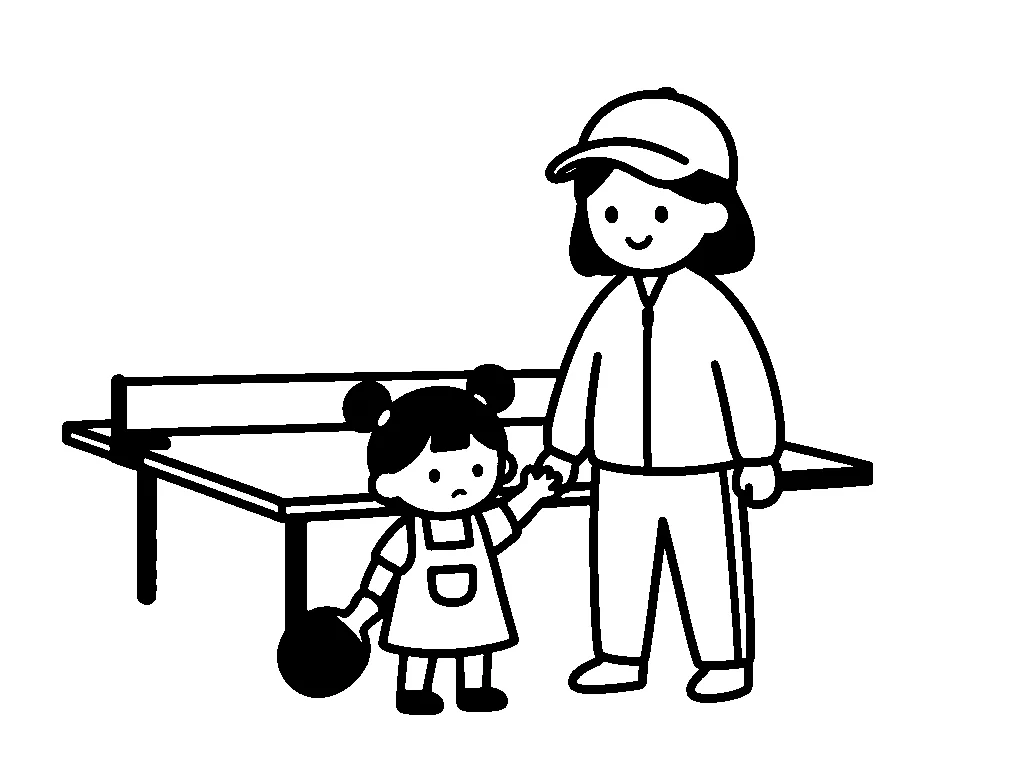
- Grandma 安安,今天的乒乓球比赛怎么样?
- An'an 我们赢了一场,却输了两场。
- Grandma 输了两场?你们不是练习了一个星期吗?
- An'an 是啊,我们很努力,却输了。
- Grandma 没关系。再练习练习,一定能赢!
- An'an 奶奶,你下午参加什么比赛?
- Grandma 羽毛球。爸爸妈妈都要上班,我去参加他们的比赛。
- An'an 奶奶,你准备好了吗?
- Grandma 当然!我最喜欢赢。
On the phone, just before the badminton match
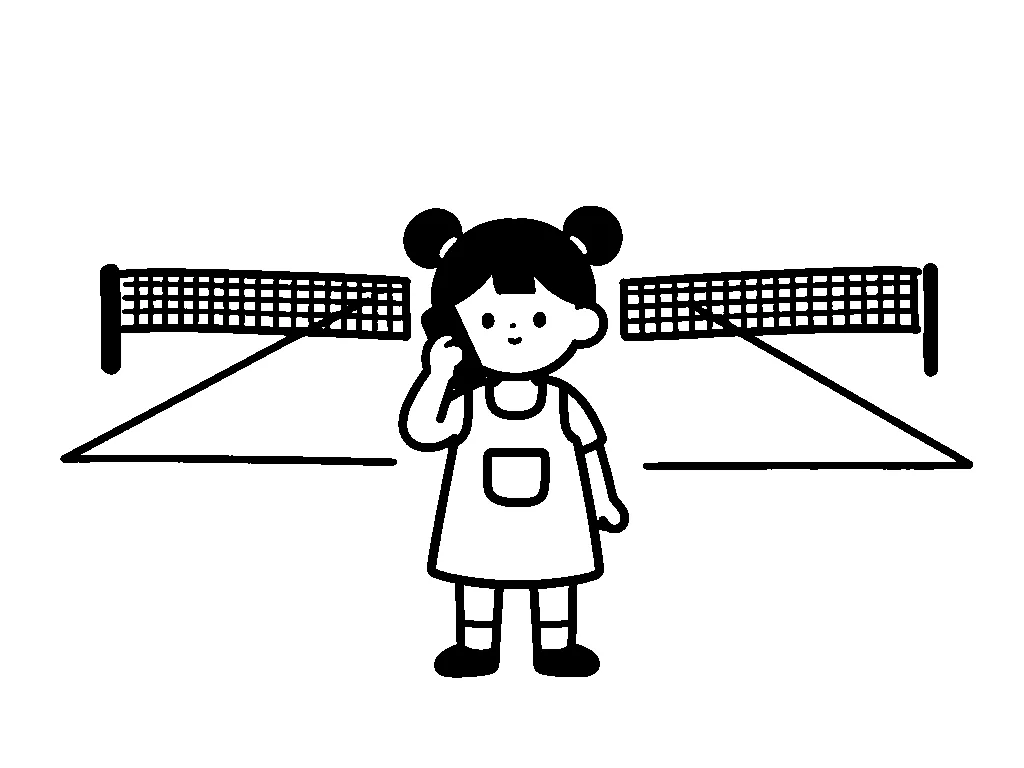
- Mr Lin 安安,我忙完了。奶奶的羽毛球比赛开始了吗?
- An'an 马上开始。前面是羽毛球,后面是网球。
- Mr Lin 奶奶在哪儿?
- An'an 在前面。爸爸,你在哪儿?
- Mr Lin 我在路上,很快就到。我知道路!
- An'an 爸爸,你说过你知道路,却走错了。
- Mr Lin 这次不一样!我的速度很快!
- An'an 好,你快一点儿!
At the courts, the last badminton match
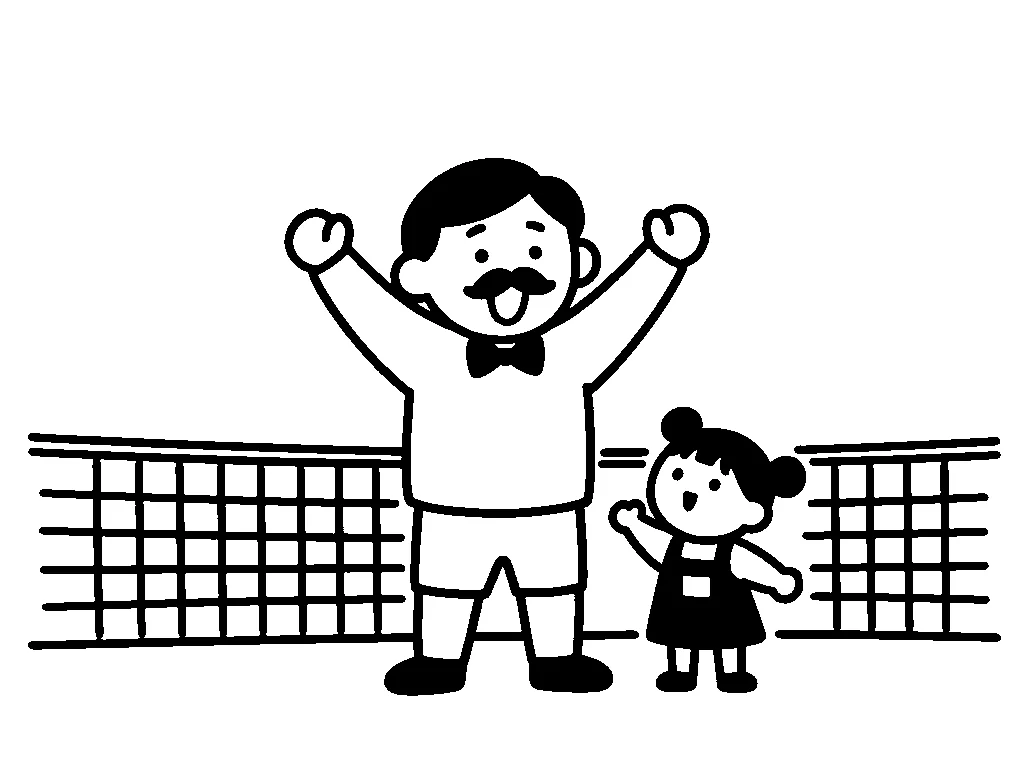
- An'an 奶奶在前面,最后一场开始了!爸爸呢?
- Mr Lin 我在这儿!奶奶,太好了!太好了!
- An'an 爸爸,这儿是网球!奶奶在前面!
- Mr Lin 网球?可是……他们也很厉害啊!
- An'an 你的速度真快,已经到了,却跑错了地方。
- Mr Lin 我马上去奶奶那儿!
- Grandma 我赢了!儿子,你看见了吗?
- Mr Lin 我看见了一场很好的网球比赛!
- An'an 我们输了两场,奶奶却赢了羽毛球。
- Grandma 没关系。明天,我们一起练习!
An'an's notebook about tournament day
- 今天学校有很多比赛。
- 我和同学很努力,却只赢了一场,输了两场。
- 我有点儿难过,可是奶奶说:“没关系。”
- 下午,奶奶参加了爸爸妈妈的羽毛球比赛。
- 她一场都没有输。
- 爸爸跑得很快,却跑错了地方。
- 他在那儿说:“太好了!”可是那儿是网球。
- 虽然爸爸跑错了,但是他一直很高兴。
- 我们输了两场,奶奶却赢了羽毛球。
- 我们明天还要练习,一定能赢!
- 奶奶说,她明天还想参加比赛。
- 晚上,一家人一起吃饭,大家都很高兴。
- 比赛有赢也有输,一起玩最开心。
Grammar
S + 却 + V / Adj (contrary to expectation)
却 means 'yet' or 'but'. It comes after the subject, right before the verb or adjective, and the second part goes against what the first part leads you to expect: 我们赢了一场,却输了两场。 Unlike 但是, 却 never starts a sentence. When the subject is left out, 却 stays right before the verb.
- 我们赢了一场,却输了两场。
- 我们很努力,却输了。
- 爸爸跑得很快,却跑错了地方。
- 我们输了两场,奶奶却赢了羽毛球。
Number + 场 + (sport) + 比赛
场 is the measure word for events that take place, such as a match. Put the number before it and the sport between 场 and 比赛: 一场比赛, 两场乒乓球比赛, 几场? Each measure word goes with certain nouns: 双 for pairs, 张 for tickets, 场 for matches.
- 我今天参加了三场乒乓球比赛。
- 下午有两场羽毛球比赛。
- 爸爸看了一场很好的网球比赛。
Characters
- 输 The cart on the left is the meaning: 输 first meant to carry something away on a cart. 俞 on the right gives the sound. In a match, 'to lose' is the result when your points are carried off.
- 球 Jade on the left: a ball was once a round, smooth stone. 求 on the right gives the sound, so 球 sounds just like 求. You will find 球 in 乒乓球, 羽毛球 and 网球.
A saying
再接再厉 Literally 'meet again, sharpen again': in the old image, roosters sharpen their beaks before each new contest. People say it to mean 'keep going and try even harder', often after a good result, like Grandma's win: one match won, now on to the next.
What you will be able to say
The lesson ends with a talk. Tell Xiaolu about your tournament day: say which matches you played, how many you won and lost using 却, and how fast someone was.
- I can say a result that goes against expectation with 却, placed after the subject and before the verb. 我们赢了一场,却输了两场。
- I can count matches with 场: number + 场 + sport + 比赛. 我今天参加了三场乒乓球比赛。
- I can say who won or lost with 赢 and 输. 我赢了,很高兴。
- I can talk about someone's speed with 速度. 他跑步的速度很快。
- I can name the three racket sports: 乒乓球, 羽毛球, 网球. 我今天参加了羽毛球比赛。
The closing talk needs an account. On the free plan, the first lesson talk you take in each level is free; Plus and Ultimate use the month's Talk minutes.
This lesson is in Plus. Start this lesson