
Sorry in Chinese — 对不起 (duìbuqǐ)
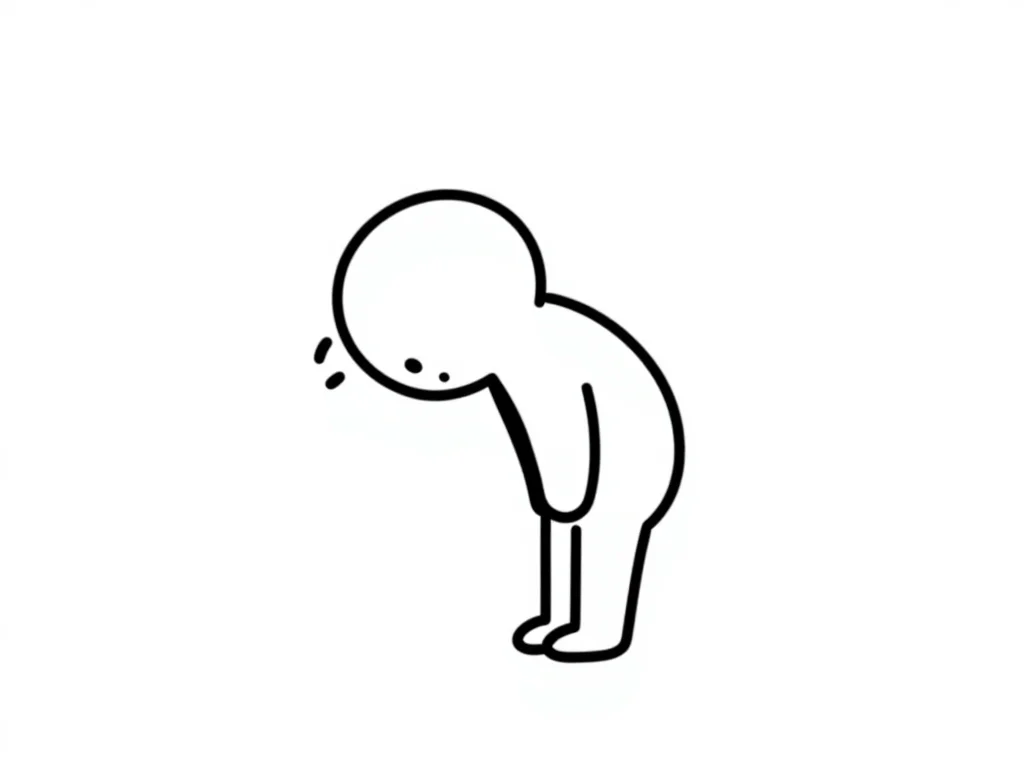
When you'd use it: 对不起 is the standard apology for mistakes and faults; 不好意思 is used for minor embarrassments or to say 'excuse me'.
Which word do I use?
Sources: Wiktionary (CC BY-SA 4.0 — paraphrase and link).
Real sentences
In literature
『朋友,对不起,我耳朵只在咚咚喤喤的响,并没有听到你的话。』
'Sorry, my friend: my ears are full of drums and gongs, and I didn't hear a word you said.'
How to write it



Stroke data: hanzi-writer (Arphic Public License). History: Wiktionary 对不起, glyph origin.
Good to know
In the course
Where 对不起 is taught in the Talkhao course: learn 对不起 in this story with Mia and An'an.
Try it
3 questions · no sign-inTap an answer. Nothing is saved unless you are signed in.
- 1 · 对不起: sorry (you tapped mom)
- 2 · 对 is 4th tone, falling (you tapped 2nd tone)
- 3 · 对不起! (you tapped 你好)
Free. A talk with Xiaolu at the end of the lesson; your tones get a score.
Related words
Sources: definitions from CC-CEDICT (CC BY-SA 4.0) · sentences from Tatoeba (CC BY 2.0 FR, each sentence credited above) · stroke data from hanzi-writer-data (Arphic PL) · character origins from Make Me a Hanzi (LGPL-3.0) · Wiktionary (CC BY-SA 4.0) · Wikisource texts (public domain) · HSK 1 of the Talkhao course.
 Download the stroke clip for 对